Views: 215 Author: Site Editor Publish Time: 2025-12-09 Origin: Site


In the dairy farming industry, the welfare of cows plays a crucial role in their productivity and overall health. Proper bedding is essential for ensuring the cows' comfort, hygiene, and well-being. One tool that has become indispensable for modern dairy farms is the Cow Bedding Spreader. This equipment streamlines the process of evenly distributing bedding materials such as straw, sawdust, or sand across a cow’s living area, creating a comfortable and clean environment. In this article, we will explore the Cow Bedding Spreader, how it works, the benefits it offers to farmers, and important considerations when choosing the right model for your farm.
A Cow Bedding Spreader is a specialized machine designed to distribute bedding materials evenly across a barn or stall where dairy cows are housed. The primary purpose of this tool is to improve cow comfort, enhance cleanliness, and optimize bedding material use. Bedding serves as a cushion for cows, providing insulation from the cold and offering a more comfortable surface for resting. Traditionally, bedding was spread manually or with rudimentary equipment, but the introduction of the Cow Bedding Spreader revolutionized this process by making it more efficient, uniform, and less labor-intensive.
Farmers can use bedding materials like straw, sawdust, or sand in combination with the spreader to ensure cows have a clean and comfortable environment. The Cow Bedding Spreader comes in various models, ranging from manual push-type devices to more advanced tractor-mounted versions. The machine ensures that the bedding is spread evenly, minimizing waste and ensuring a longer lifespan for the bedding materials.

A Cow Bedding Spreader operates by loading the bedding material into a hopper, which is then fed into the machine's spreading mechanism. The machine uses rotating blades or augers to break up and spread the bedding evenly over the desired area. Depending on the model, the spreader may be attached to a tractor or pulled manually. The spreader ensures that the bedding is distributed in a consistent layer, providing a comfortable and sanitary environment for the cows.
Loading: The bedding material is loaded into the hopper of the spreader.
Spreading Mechanism: The augers or blades in the spreader rotate to break apart the bedding and distribute it uniformly across the floor of the stall or barn.
Control: Most modern Cow Bedding Spreaders come with adjustable settings, allowing farmers to control the depth of the bedding and the speed at which the material is spread.
Distribution: The final bedding layer is spread evenly across the barn floor, ensuring all areas are covered and the cows have access to comfortable bedding.
Cow bedding is more than just a comfort feature; it plays a significant role in promoting cow health, hygiene, and milk production. Here are some reasons why proper bedding is essential:
Cow Comfort: Soft bedding allows cows to rest comfortably, preventing sores and bruising that can occur on hard surfaces. Comfortable cows are less stressed and more likely to be productive.
Hygiene: Bedding absorbs urine and feces, helping to maintain a cleaner environment for cows. This reduces the risk of infections, mastitis, and other health issues.
Temperature Regulation: Bedding helps insulate cows from cold floors during winter months, keeping them warm and reducing the risk of hypothermia or other cold-related conditions.
Waste Minimization: Proper bedding helps maintain dry, clean conditions by absorbing moisture from cow waste, reducing the likelihood of bacterial growth or unpleasant odors.
Using a Cow Bedding Spreader provides numerous advantages for dairy farmers, improving both the quality of the bedding environment and operational efficiency.
Time Efficiency: Spreading bedding manually can be a labor-intensive task. A bedding spreader allows farmers to complete the job much faster, freeing up time for other important tasks.
Cost-Effectiveness: With the ability to spread bedding more evenly, less material is wasted. This reduces the overall cost of bedding, as farmers can optimize its use.
Improved Cow Health and Comfort: Evenly spread bedding ensures that cows have access to clean, dry, and comfortable resting areas, leading to healthier and more productive animals.
Consistency: The even distribution of bedding materials reduces the chances of bedding being too thin in some areas or too thick in others, providing a consistent environment for the cows.
Better Hygiene: The spreader helps to ensure the bedding is properly distributed, leading to better absorption of moisture and waste, thus promoting a cleaner barn environment and reducing the risk of infections.
There are different types of Cow Bedding Spreaders available to suit the needs of various farm sizes and types. Here are the most common models:
Tractor-Mounted Spreaders: These are the most commonly used models for large farms. The spreader is attached to a tractor, allowing it to cover larger areas in less time.
Pull-Type Spreaders: Similar to tractor-mounted spreaders, these models are towed behind a tractor and typically offer larger capacities and more control over the spreader's performance.
Push-Type Spreaders: These smaller, manual models are ideal for smaller farms or areas where a larger spreader would be overkill. Farmers push them through the barn to distribute bedding.
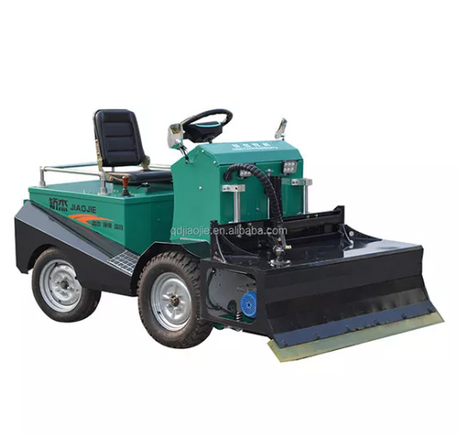
Self-Propelled Spreaders: These are powered by their own engines and do not require a tractor. They offer high maneuverability and ease of use for smaller to medium-sized farms.
Selecting the right Cow Bedding Spreader depends on several factors, including the size of your farm, the type of bedding material used, and your budget. Here are some considerations:
Farm Size: Larger farms will require more robust, tractor-mounted spreaders, while smaller operations may benefit from push-type or pull-type models.
Type of Bedding: Some spreaders are designed to handle specific types of bedding materials, such as straw or sawdust. Ensure the spreader you choose can handle your preferred bedding material effectively.
Capacity: Consider the amount of bedding you need to spread daily. Larger spreaders with higher capacities can cover more area without requiring frequent refills.
Budget: Prices for Cow Bedding Spreaders can vary greatly. While more advanced models offer additional features, they can also be significantly more expensive. Consider your budget and long-term investment goals when choosing.

While Cow Bedding Spreaders offer many benefits, they can also face some challenges. Here are some common issues and tips for keeping your spreader in optimal condition:
Clogging: Bedding material can sometimes become clogged in the hopper or spreading mechanism. Regular cleaning and maintenance can prevent this issue.
Wear and Tear: Like all machinery, bedding spreaders experience wear over time. Regularly inspect the blades, augers, and other moving parts to ensure they are in good working condition.
Lubrication: Keeping the moving parts of the spreader well-lubricated is essential to prevent rust and reduce friction, ensuring smoother operation.
Calibration: Ensure the spreader is properly calibrated for the type of bedding material being used. Improper settings can lead to uneven spreading and wasted bedding.
A Cow Bedding Spreader is an invaluable tool for modern dairy farms, improving efficiency, cow comfort, and hygiene. By automating the bedding process, farmers can save time and resources, creating a more productive and sustainable farming operation. With a variety of models available, selecting the right spreader for your farm’s specific needs will ensure that your cows have a comfortable, clean, and healthy environment to thrive in.
Q1: Can a Cow Bedding Spreader handle different types of bedding materials?
Yes, many modern bedding spreaders are versatile and can handle various types of bedding, including straw, sawdust, and sand. However, it's important to choose a spreader that is designed for the specific material you plan to use.
Q2: How often should I clean my Cow Bedding Spreader?
It's recommended to clean your bedding spreader regularly, especially after each use. This helps prevent clogging, rusting, and ensures that the machine continues to perform at its best.
Q3: Are there any safety precautions when using a Cow Bedding Spreader?
Yes, operators should wear appropriate safety gear, such as gloves and protective clothing. Additionally, ensure that the machine is properly maintained and that all safety features, such as shields and guards, are in place before operating.
Q4: How do I know which size Cow Bedding Spreader is right for my farm?
The size of the spreader you need will depend on the size of your farm and how much bedding material needs to be spread daily. Larger farms with multiple barns may require a tractor-mounted spreader, while smaller farms may find a push-type spreader more suitable.
Q5: How does using a Cow Bedding Spreader save money?
A bedding spreader helps optimize bedding material use by distributing it evenly, reducing waste. This leads to cost savings over time, as less bedding material is required to maintain a comfortable and clean environment for your cows.