

Views: 0 Author: Site Editor Publish Time: 2025-11-15 Origin: Site


Dairy farming can be a demanding job. Farmers face challenges with feed management, from labor to inefficiencies. Feeding practices can be inconsistent, leading to wasted resources and decreased milk production. In this article, we’ll explore how a feed pusher can revolutionize farm operations. We’ll discuss how it reduces labor, improves efficiency, and benefits livestock health.
One of the key benefits of a feed pusher is its ability to eliminate what would otherwise be a time-consuming task. Traditionally, farmers would need to manually move feed towards their cows, requiring constant supervision. Feed pushers eliminate this need by pushing feed towards the feeding area, allowing farmers to focus on other essential tasks. This reduces the reliance on human labor, which is especially valuable during peak farming seasons when labor demand is high. Furthermore, the technology ensures that feeding is performed continuously and without the need for manual intervention, saving time and increasing operational efficiency.
Consistency in feed distribution is crucial for maintaining livestock health and optimizing feeding behavior. A feed pusher ensures that feed is always available and consistently pushed to the designated area. This helps animals access feed more regularly, preventing overcrowding and reducing competition for food. The result is more predictable feeding behavior, which supports healthier animals and more efficient feeding patterns. Additionally, regular feed pushing minimizes feed waste, as it ensures that animals don’t leave food behind in inaccessible areas. With consistent access to feed, cows are more likely to consume the nutrients they need to thrive, which improves their overall well-being.
The frequency of feeding is a significant factor in livestock health and productivity. With a feed pusher, farmers can provide feed to their livestock more frequently. This promotes better digestion, reduces stress, and enhances growth. The continuous availability of feed encourages cows to eat more regularly, improving milk production and overall well-being. By ensuring that feed is available at all times, farmers can create a healthier and more productive livestock environment. Furthermore, more frequent feed distribution can help regulate the cows' feeding behavior, contributing to better digestion and absorption of nutrients, which ultimately benefits their long-term health and milk yield.
Feed accessibility plays a vital role in ensuring livestock get the nutrition they need. In traditional feeding systems, cows may struggle to reach feed that’s been placed too far away or out of reach. Feed pushers address this problem by moving the feed closer to the animals, ensuring that every cow has access to its share. This makes the feeding process more efficient and helps prevent waste due to feed being out of reach. By pushing the feed into areas where the cows can easily access it, feed pushers promote healthier feeding behavior and ensure that all cows get an equal opportunity to eat.
A consistent and accessible feeding system directly impacts milk production and quality. Research has shown that when cows are fed consistently and have access to quality feed, their milk yield improves. A feed pusher ensures that cows are always well-fed, which can lead to increased milk production. Furthermore, the quality of the milk is enhanced as cows’ nutritional needs are met more effectively, leading to better overall health and milk composition. Consistent feeding practices also help to avoid the nutritional imbalances that can occur with irregular feeding, which can negatively affect both milk yield and quality.
Feed wastage is a common concern for dairy farmers, especially when the feed is not easily accessible or gets left behind. Feed pushers help minimize waste by pushing the feed into areas where cows can easily access it. This not only reduces feed loss but also maximizes the use of the feed, ensuring that animals consume the full amount of food provided to them. As a result, farmers can optimize their resources and lower overall feed costs. Reducing feed wastage is particularly important in an industry where feed costs can account for a significant portion of operational expenses.
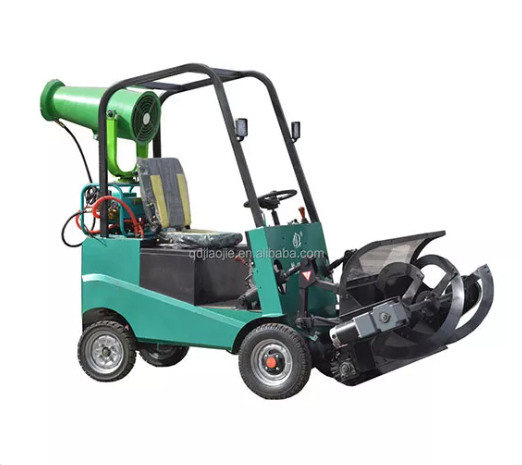
A significant advantage of feed pushers is the reduction in labor costs. Traditional feeding methods require constant attention and labor, especially when managing large herds. By using a feed pusher, farmers reduce the need for manual labor, which can lead to significant cost savings over time. Additionally, the efficient distribution of feed reduces waste, further saving money on feed costs. The ability to optimize labor and resources is especially valuable in an industry where operational efficiency directly affects profitability.
Although feed pushers require an initial investment, they can offer a quick return on investment. Farmers who adopt this technology often see improvements in milk production, feed efficiency, and overall productivity. Over time, the savings in labor and feed costs, along with the increased efficiency, result in a positive ROI. Many dairy farmers report that the benefits of implementing a feed pusher outweigh the upfront costs. With the added value of reduced operational time and enhanced feeding processes, feed pushers provide an attractive investment for modern dairy farms.
Feed pushers are designed to be low-maintenance, durable machines. Traditional feeding systems often require regular maintenance and repairs, adding to operational costs. Feed pushers, on the other hand, are built to last and require minimal upkeep. This durability ensures that farmers do not have to spend excessive amounts on repairs or replacements, making them a cost-effective long-term solution. The low maintenance requirement of feed pushers also reduces downtime, ensuring that the farm operates smoothly without interruptions.
| Environmental Metric | Traditional System | Feed Pusher System |
|---|---|---|
| Feed Waste Reduction | High | Low |
| Carbon Footprint | High | Lower |
| Energy Consumption | High | Reduced |
| Resource Optimization | Moderate | High |
Feed pushers help reduce feed waste, which not only saves money but also benefits the environment. When feed is pushed to the right areas, it is more likely to be consumed by livestock, reducing waste. Less wasted feed means less food is discarded, reducing the environmental footprint of the farm. Additionally, by optimizing feed usage, feed pushers contribute to the sustainable use of resources. This waste reduction directly aligns with sustainability goals, as it minimizes the farm’s ecological impact.
Using feed pushers contributes to a more sustainable farming operation. By reducing the need for manual labor, feed pushers help decrease the overall energy consumption of the farm. These technologies contribute to creating more eco-friendly farming practices that support long-term sustainability.
Efficient feed distribution ensures that resources are used optimally. By minimizing waste and improving feed accessibility, feed pushers help dairy farms manage their resources more effectively. This contributes to sustainable farming practices, as it ensures that both feed and other resources are used in a manner that supports long-term environmental health. The optimization of resources reduces the need for excess feed, allowing farms to operate more efficiently while minimizing their ecological impact.
Integrating a feed pusher into an existing dairy farm is relatively straightforward. Most modern feed pushers are designed to be compatible with various barn layouts and existing feeding systems. Farmers should assess their barn design and feeding areas to determine the best placement for the device. Once installed, the feed pusher can be easily programmed to meet the specific needs of the farm. It’s important to work with suppliers who offer guidance during the integration process to ensure a smooth transition.
Farmers should ensure that their staff is adequately trained to operate the feed pusher. Training sessions are often provided by the manufacturer and cover setup, operation, and maintenance. Ongoing support is also available in case issues arise, helping farmers maximize the potential of their feed pushers. Proper training ensures that staff can handle any adjustments or troubleshooting, improving the efficiency of the farm’s feeding operations.
The initial cost of a feed pusher can be a barrier for some farmers. However, as mentioned earlier, the long-term benefits often outweigh the costs. Farmers may also worry about adapting to new technology, but with proper training and support, the transition can be smooth. Additionally, feed pushers are scalable, meaning they can be used on farms of various sizes. By understanding the long-term cost savings and increased productivity, farmers can make informed decisions about the adoption of this technology.
Feed pushers are revolutionizing dairy farming by improving feed accessibility and livestock health. They reduce labor and time investment while minimizing waste and optimizing resources. As a result, milk production increases, and costs decrease. Feed pushers improve overall farm efficiency and support better resource management. This trend signals a bright future for dairy farming, with feed pushers driving progress.
Feed pushers from Qingdao JointTech Machinery Inc. offer unique advantages that streamline farm operations. These products enhance feeding efficiency and resource management, providing exceptional value to livestock farmers.
A: A feed pusher is a device that regularly pushes feed towards livestock, ensuring consistent access to fresh feed and reducing manual labor.
A: A feed pusher saves time, reduces labor costs, and ensures feed accessibility, optimizing resource use and improving productivity.
A: Feed pushers reduce feed wastage, enhance milk production, and help maintain livestock health, making them a valuable tool for efficient farm management.
A: The cost of a feed pusher varies, but it generally offers a strong ROI through reduced labor costs and increased milk production over time.
A: Yes, feed pushers can be used alongside other farm systems to enhance overall farm efficiency.


