

Views: 0 Author: Site Editor Publish Time: 2025-11-13 Origin: Site


Efficient feeding management is crucial for livestock health. But, have you considered how a feed pusher can transform your feeding system? In this article, we’ll explore how choosing the right feed pusher can optimize your farm’s operations. From farm size to livestock type, you’ll learn what factors to consider when selecting the perfect equipment. By the end of this article, you’ll understand how the right feed pusher can improve your farm’s efficiency, reduce labor, and ensure your livestock always have fresh feed.
A feed pusher is a piece of equipment designed to move feed from the center of the barn to the troughs, ensuring a continuous supply of food to livestock. It works by pushing the feed towards the feeding area, eliminating waste and ensuring that livestock always have access to fresh food.
The electric feed pusher is a machine powered by electricity, designed to move and turn the feed, preventing secondary fermentation. It is easy to operate and has a small turning radius, making it suitable for small barns or cowsheds. One person can operate the feed pusher, saving labor and improving efficiency.
The right feed pusher improves farm operations by optimizing feed distribution. It ensures that all livestock, regardless of their location in the barn, receive an equal amount of feed. This leads to improved herd health and productivity, as livestock are less likely to experience feed shortages.
A consistent feed supply prevents overfeeding or underfeeding and reduces feed wastage, ensuring that every animal receives the nutrition they need for optimal growth. Feed pushers also help maintain cleaner, tidier feeding areas by pushing the feed toward the animals, reducing the risk of feed being scattered or left unused.
Electric feed pushers provide several advantages:
Cost Savings: By reducing the need for a tractor to push the feed, electric feed pushers help save on fuel costs.
Labor Reduction: Farm workers no longer need to manually distribute feed, freeing up their time for other tasks. This allows farmers to focus on more critical activities, such as livestock health monitoring and farm management.
Consistent Feed Distribution: Electric feed pushers provide uniform feed coverage, preventing wastage and ensuring optimal livestock nutrition. By ensuring that feed is consistently distributed to all animals, feed pushers help improve overall feeding effectiveness and animal well-being.
Time-Saving: Although the feed pusher requires manual operation, it significantly reduces the time and effort needed compared to manually pushing feed across large areas. With a single operator, the feed pusher can cover more ground efficiently, saving valuable time for other essential farm tasks.
Choosing the right feed pusher depends heavily on the scale of your farm. For larger farms, you may need a feed pusher with a higher capacity to handle larger quantities of feed. A feed pusher that is too small may lead to inefficiency, while one that is too large could result in unnecessary power consumption and overcapacity. It’s important to match the feed pusher’s capacity with the amount of feed your farm typically uses. For instance, a dairy farm with a large herd may require a high-capacity electric feed pusher that can efficiently cover vast areas of the barn, while a smaller farm might only need a compact model with a smaller capacity.
| Farm Size | Feed Pusher Capacity | Ideal Use Case |
|---|---|---|
| Small Farms | 1-2 tons | Suitable for smaller livestock operations |
| Medium Farms | 2-5 tons | Best for farms with medium herds |
| Large Farms | 5+ tons | Ideal for large-scale operations or multiple barns |
| Specialized Farms | Varies | For niche applications like pig pens or poultry barns |
Different livestock species have distinct feeding habits, which can impact the type of feed pusher you need. For example:
Dairy Cows: These animals require consistent feed throughout the day. An electric feed pusher would work well to ensure that the feed is evenly distributed across their feeding areas, with a high capacity for timely delivery of feed.
Beef Cattle: Beef cattle may benefit from a manual feed pusher in smaller operations where automated solutions are unnecessary. Since beef cattle may be fed less frequently, a simpler system can suffice, helping reduce upfront costs.
Pigs: Pigs are typically fed in pens, so a smaller, more flexible feed pusher that can maneuver in confined spaces may be ideal. The compact nature of the electric feed pusher allows it to navigate these tight spaces effectively.
The layout of your farm is a critical factor in selecting a feed pusher. If your farm has narrow aisles or compact spaces, a smaller, more compact feed pusher may be required. Additionally, barns with more open spaces may allow for larger systems that can cover more ground efficiently.
Manual feed pushers are often the go-to option for smaller farms or those looking for an affordable solution. These devices are simple to operate, require minimal maintenance, and have a low upfront cost. They are ideal for farmers who don’t mind dedicating some labor to feeding tasks. However, manual systems do require a level of labor input, which may not be feasible for larger operations.
Electric feed pushers are more expensive upfront but provide greater long-term value. They are powered by electricity and are designed to be flexible and efficient for farms of all sizes. Electric feed pushers offer several advantages:
Time-Saving: They reduce the time and effort spent manually pushing feed across large areas. With a single operator, the electric feed pusher covers more ground efficiently, saving valuable time for other tasks around the farm.
Improved Feed Distribution: These devices push the feed evenly, ensuring that all livestock receive adequate nutrition. This reduces feed waste, as feed is always available for the animals.
Labor-Saving: Electric feed pushers can be operated by a single person, saving labor costs and allowing workers to focus on other essential tasks around the farm.
While manual feed pushers are cheaper initially, electric feed pushers provide significant savings in labor and increased productivity. When comparing costs, consider the size of your farm and how much labor you can afford to allocate to feeding tasks. Electric systems are ideal for larger farms, where labor savings outweigh the initial investment costs.
| Feature | Manual Feed Pusher | Electric Feed Pusher |
|---|---|---|
| Initial Cost | Low | High |
| Labor Requirement | High (requires manual effort) | Low (electric operation) |
| Maintenance | Low to moderate | Moderate to high (depending on complexity) |
| Feed Coverage | Limited (based on manual effort) | Extensive (can cover large areas) |
| Feed Consistency | Variable (depends on operator) | High (uniform feed distribution) |
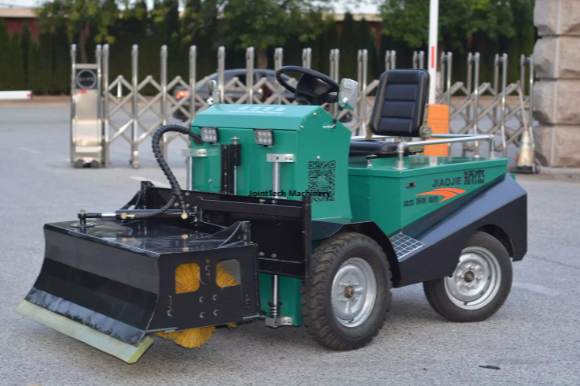
Durability plays a key role in selecting a feed pusher, especially in farms that operate under heavy conditions. Farms are often exposed to tough environments, such as wet or dusty conditions, making it essential for feed pushers to be made of robust materials that can withstand these stresses. The feed pusher should be able to resist wear and tear from constant use in barns or sheds, ensuring that it remains functional over time. High-quality materials, such as galvanized steel or durable plastic, are often used to manufacture feed pushers that can endure rough handling and environmental exposure. A durable feed pusher not only minimizes the need for frequent replacements but also ensures that the investment lasts for years, providing consistent performance with minimal disruptions to farm operations.
While feed pushers are relatively low-maintenance machines, regular upkeep is crucial to ensure optimal performance and long service life. Manual feed pushers require basic maintenance, such as cleaning and occasional checks for wear, which can be easily handled by farm personnel. However, electric feed pushers, while requiring more detailed maintenance due to their motors and electrical components, often include features that extend their durability, such as self-cleaning systems or built-in diagnostic tools that detect operational issues early. Proper maintenance schedules, such as periodic checks on the battery and motor performance for electric models, help avoid breakdowns and costly repairs. While operating costs can vary depending on the type of feed pusher, the long-term benefits of reduced downtime and increased efficiency often outweigh the initial investment and maintenance requirements.
When selecting a feed pusher, it’s important to consider the warranty and repair services provided by the manufacturer. A good warranty ensures that any defects or mechanical failures are covered, helping to reduce unexpected repair costs. Additionally, farm operations rely on the reliability of their equipment, so having access to quick and effective repair support can minimize downtime. Farms with large livestock operations cannot afford prolonged delays, as this impacts feeding schedules and livestock health. Checking the warranty terms, such as coverage duration and conditions for service, is a wise step before making a purchase. Manufacturers that offer extended warranties, especially for electric feed pushers, demonstrate their confidence in the durability of their products, which is valuable for farms looking for long-term, dependable equipment.
A feed pusher works most effectively when integrated with other feeding equipment on the farm. When combined with automatic feeders, waterers, and feed storage systems, feed pushers help streamline the entire feeding process. By ensuring a smooth and continuous movement of feed, these systems synchronize the timing and flow of feed, reducing waste and improving efficiency. This integration helps avoid manual intervention, reduces labor costs, and ensures that animals are fed according to their specific nutritional needs. Efficient integration also allows farm managers to monitor all feeding systems from a centralized point, optimizing operations and reducing the likelihood of feed shortages or overfeeding.
To get the most out of your feed pusher, it's crucial to develop a routine for its use. Scheduling regular feed pushing intervals ensures that feed remains consistently available to livestock, reducing the chances of feed being left behind or inaccessible. Additionally, adjusting the amount of feed dispensed based on the size of the herd and the specific needs of the animals can further enhance feeding efficiency. Optimizing the timing of feed pushing can also minimize waste by ensuring that feed is distributed when it's needed most.
Choosing the right feed pusher for your livestock farm requires careful consideration of farm size, livestock type, and available budget. By understanding the different types of feed pushers, their benefits, and key features, you can make an informed decision that will help improve feed efficiency, reduce labor costs, and ensure better livestock health. Remember to evaluate your specific farm layout and needs before purchasing to find the best solution for your farm's feeding system.
For reliable, high-quality feed pushers, Qingdao JointTech Machinery Inc. offers products that combine durability with advanced technology. Their feed pushers are designed to maximize feed efficiency and support the smooth operation of your farm.
A: A feed pusher is equipment used to move feed to livestock troughs. It ensures continuous feed supply and reduces waste by pushing the feed towards animals.
A: Using a feed pusher improves feed efficiency, reduces labor, and ensures livestock always have access to fresh feed, promoting better health and productivity.
A: Consider farm size, livestock type, and layout. An electric feed pusher works best for larger farms, while manual ones are ideal for smaller operations.
A: The cost varies. Manual feed pushers are more affordable, while electric models are pricier but offer greater efficiency and labor savings in larger operations.
A: Yes, feed pushers can be used for various livestock. For example, dairy cows benefit from electric pushers, while smaller farms with beef cattle may use manual pushers.


