

Views: 0 Author: Site Editor Publish Time: 2025-11-06 Origin: Site


Have you ever wondered how feed management could be improved in dairy farming? A constant supply of fresh feed is crucial for maximizing milk production and ensuring cow health.
Traditional methods of manually pushing feed can be inefficient and time-consuming, leading to feed waste and added costs. In this article, we will explore how feed pushers work, their benefits, and how to choose the right one for your farm.
Feed pushers are specially developed machines designed to assist farmers in moving feed towards livestock feeding areas. These feed pushers require manual operation, where a single operator drives the machine to push feed to the front of the feeding area, ensuring that feed is always accessible to the cows.
The electric feed pusher is powered by electricity and is designed to be simple to operate, making it suitable for farms of various sizes. The machine integrates push-sweeping functionality with a curved bucket that helps turn the forage, preventing secondary fermentation. This feature is especially valuable in dairy farming as it helps maintain fresh feed while minimizing waste.
The feed pusher’s small turning radius makes it ideal for use in tight spaces such as small cowsheds. Even in confined areas, one person can operate the machine freely, significantly saving labor and improving work efficiency. By manually driving the feed pusher, farmers can ensure that the feed is pushed regularly, keeping the feeding areas clean and preventing feed from accumulating in inaccessible areas.
In addition to its core function of pushing feed, the electric feed pusher includes a patented disinfection fog cannon. This fog cannon sprays water to cool and humidify the farm, killing insects and mosquitoes, and cutting off the transmission route of infectious diseases. The spray also helps reduce the number of pathogenic microorganisms in the farm, thereby improving animal health and productivity.
By preventing feed from accumulating in one spot and ensuring a clean feed alley, the feed pusher helps create a healthier environment for livestock, reducing the risk of disease and improving overall cow health. With the ability to save up to 120 hours per year, farmers can focus on other essential tasks, improving overall farm efficiency.
Electric feed pushers use electric motors to drive the machine, reducing the need for fuel consumption and eliminating the requirement for a tractor to push feed. These systems provide greater flexibility as they do not require pre-installed infrastructure like magnetic strips or complex automation systems. Instead, they are powered by electricity and can be easily operated by a single person. This makes electric feed pushers ideal for farms of various sizes, especially those with limited labor resources.
For farms with limited space, compact feed pushers are designed specifically to fit smaller barns. These models provide the same level of efficiency as larger ones, ensuring cows always have access to fresh feed. Compact feed pushers are easy to maneuver in tight spaces, making them suitable for barns where larger feed pushers might not fit. They retain all the core benefits of feed distribution, including frequent feed pushing, efficient navigation, and improved feed accessibility.
| Feed Pusher Type | Features | Ideal Use Case |
|---|---|---|
| Electric Drive | Powered by electricity, manual operation | Suitable for farms of all sizes, reduces fuel use |
| Compact Design | Smaller, maneuverable design | Smaller barns, tight spaces, easy operation |
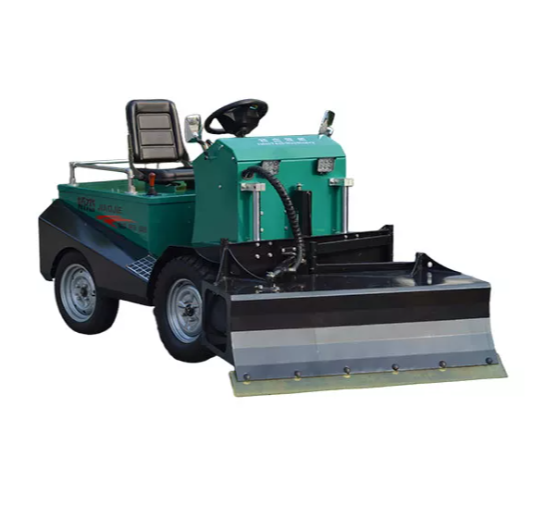
Electric feed pushers play a critical role in promoting cow health by ensuring that fresh, high-quality feed is always available. By keeping feed at the front of the feed bunk, these devices encourage cows to eat more often and consume the optimal amount of food. This leads to better weight gain, healthier animals, and ultimately, higher milk production.
Regular access to fresh feed contributes to more balanced nutrient intake, which improves overall cow health and ensures that they produce milk at their full potential. Cows that are well-fed are also less likely to experience digestive problems or malnutrition, leading to a higher quality of life and better production results.
Manual feed pushing requires significant labor, which can be costly, especially in large-scale operations. Feed pushers significantly reduce the need for manual labor, allowing farmers to allocate their staff to other tasks that are more productive or require more direct human involvement. In addition to saving labor costs, feed pushers ensure that the feed is pushed consistently throughout the day, providing continuous feed distribution without requiring human intervention. This manual system helps farms become more efficient, saving both time and money in the long run.
One of the most important benefits of feed pushers is the reduction of feed waste. By ensuring that feed remains at the front of the bunk and is consumed before it spoils, feed pushers minimize the amount of feed that is wasted. This leads to more efficient resource use and lower feed costs for farmers. Moreover, less wasted feed means less environmental impact. Efficient feed distribution reduces the need for excess feed production, lowering the environmental footprint of farming operations and contributing to more sustainable practices.
The size and layout of your barn are critical when selecting a feed pusher. Larger barns with complex layouts may require a more versatile model with a higher capacity for feed pushing. Smaller barns might benefit from a compact feed pusher, which can fit into tight spaces without sacrificing functionality.
When choosing a feed pusher, it’s essential to consider the maintenance requirements and the level of support provided by the manufacturer. Opt for a product that comes with strong customer support, easy maintenance, and readily available replacement parts.
Evaluate the return on investment (ROI) by comparing the feed pusher’s initial cost with the savings on labor and feed waste. A good feed pusher should pay for itself over time by reducing labor costs and improving feed efficiency.
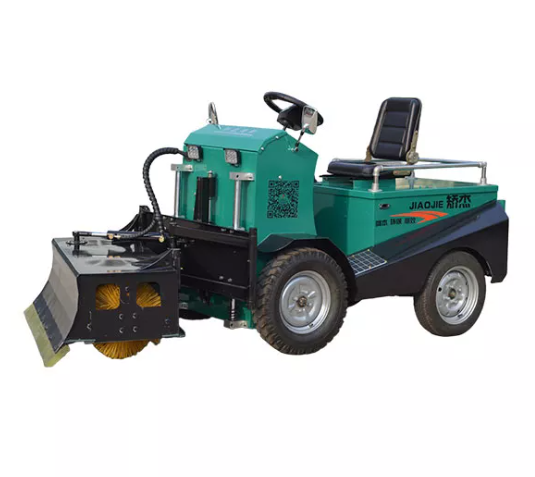
Electric feed pushers have revolutionized dairy farming by improving feeding efficiency, reducing waste, and saving labor, ultimately boosting productivity and profitability. These devices ensure that cows always have fresh, high-quality feed, improving cow health and milk production.
Farmers should evaluate their barn size, automation needs, and ROI when selecting the best feed pusher for their operations. As technology advances, feed pushers will become more efficient and adaptable, offering additional benefits to dairy farmers.
Qingdao JointTech Machinery lnc. offers innovative feed pushers designed to improve farm efficiency and productivity. Their products provide reliable, cost-effective solutions for dairy farms of all sizes.
A: A Feed Pusher is a tool designed to push feed toward livestock, ensuring a continuous and efficient feed supply. It reduces waste and labor by distributing feed effectively.
A: A Feed Pusher is powered by electricity and is manually driven to push feed into the feed bunk, ensuring consistent feed availability for cows.
A: Using a Feed Pusher saves time, reduces labor costs, and minimizes feed waste, improving overall farm efficiency and cow health.
A: The cost of a Feed Pusher varies depending on the model and features, ranging from affordable options for smaller farms to more advanced systems for large operations.
A: Yes, by ensuring the feed is always fresh and at the front of the bunk, a Feed Pusher minimizes waste and optimizes feed intake.
A: Feed Pushers typically require minimal maintenance, but regular checks on the motor and moving parts will ensure they operate efficiently over time.


