Views: 187 Author: Site Editor Publish Time: 2025-12-17 Origin: Site


Maintaining a clean and comfortable environment for cows is essential for their health, productivity, and overall well-being. Cow bedding, whether it's straw, sawdust, sand, or recycled paper, plays a crucial role in ensuring that cows have a dry and comfortable place to rest. However, managing and distributing these bedding materials can be time-consuming and labor-intensive. This is where a cow bedding spreader comes in.
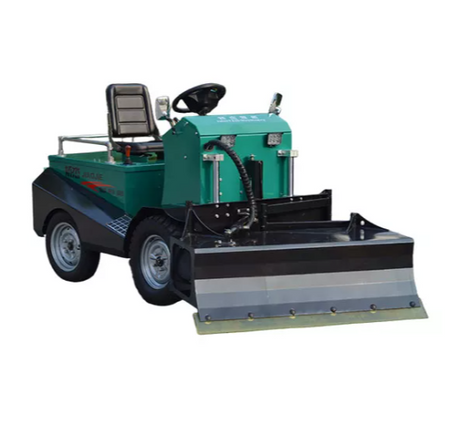
A cow bedding spreader is a farm tool designed to efficiently distribute various types of bedding materials across the barn floor, saving both time and labor. But the question remains: Can a cow bedding spreader handle all types of bedding materials? This article will explore the capabilities of cow bedding spreaders and analyze how they perform with different bedding types.
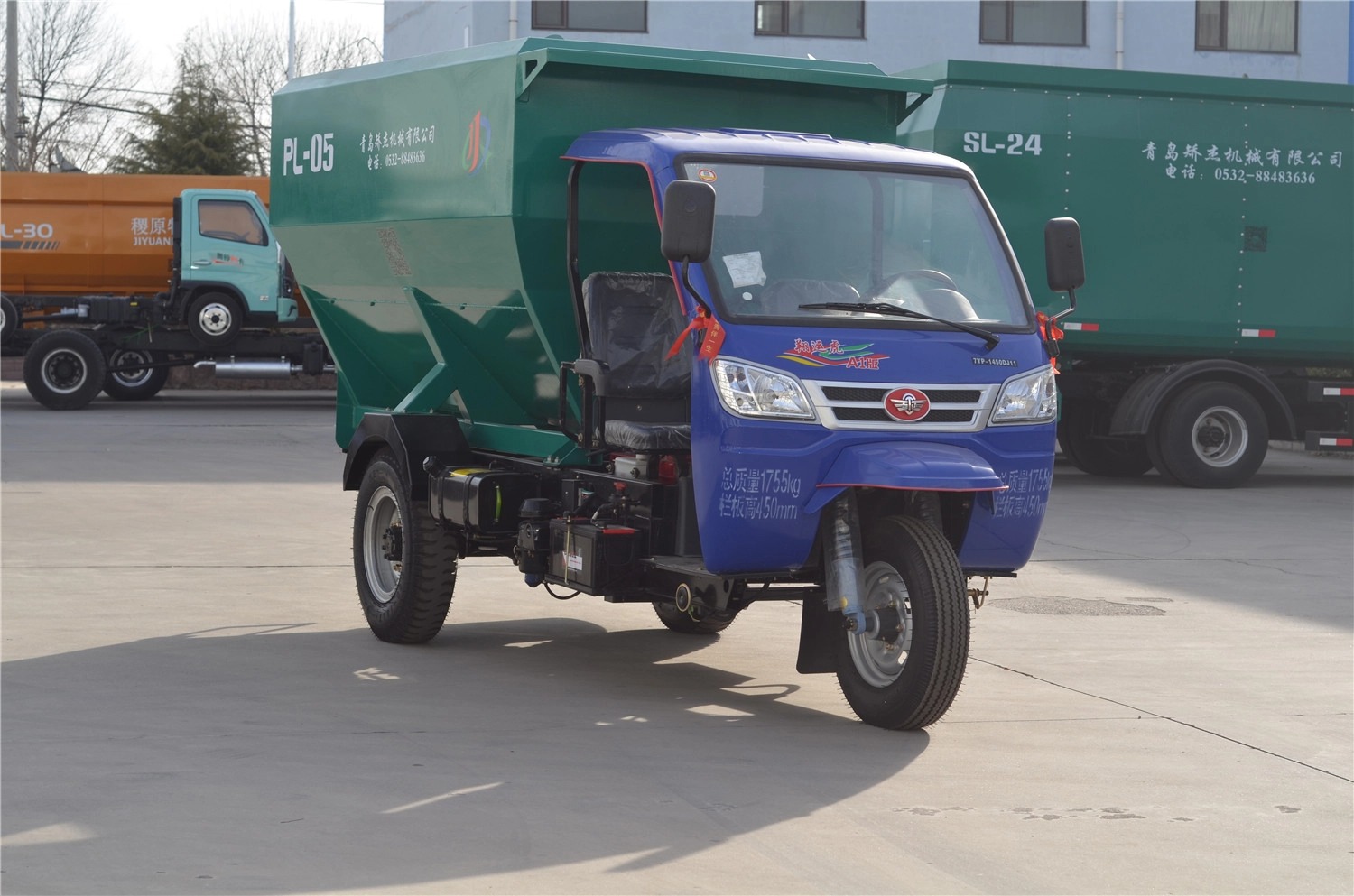
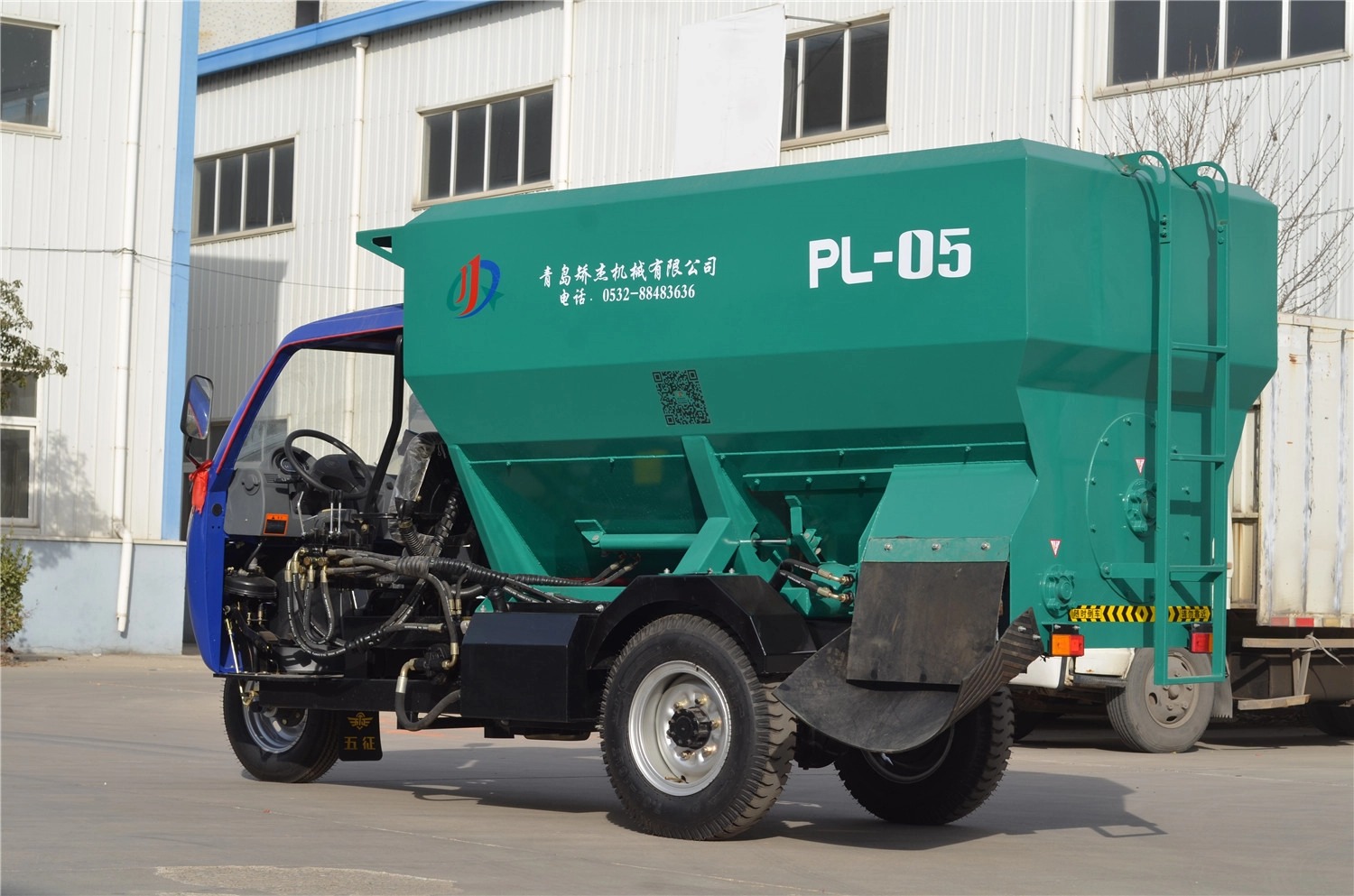
Before diving into the specific capabilities of cow bedding spreaders, it is essential to understand what these machines are and how they function. A cow bedding spreader is a specialized machine used to evenly distribute bedding materials, such as straw, sawdust, sand, and other organic materials, throughout the barn or cattle house.
These spreaders are designed to reduce manual labor and ensure a uniform distribution of bedding material. They often come in various sizes and models, from small handheld machines to large tractor-mounted units. The most common types of bedding spreaders use a rotating drum, conveyor belt, or spinner to evenly distribute the bedding.
In essence, the cow bedding spreader is a valuable tool for modern dairy and livestock farms, as it helps automate a task that would otherwise be time-consuming and inefficient.
Cow bedding materials come in a variety of types, each with its own benefits and drawbacks. The type of bedding material used can impact the comfort of the cows, the ease of maintenance, and the overall cleanliness of the barn. Here are the most common types of bedding materials used on dairy farms:
Straw is one of the most traditional and commonly used bedding materials for cows. It is a natural byproduct of grain crops, and its availability often depends on the region and farming practices. Straw is absorbent and provides good insulation, making it an excellent choice for colder climates.
Sawdust and wood shavings are another popular choice for cow bedding. They are highly absorbent and help reduce odors. Sawdust and shavings also break down more quickly than straw, which can make them a good option in terms of waste management.
Sand bedding is becoming increasingly popular due to its unique properties. It remains dry and provides a solid surface for cows to lie on. Sand is also easy to clean, as it can be scraped off and disposed of efficiently. However, it is heavier than other materials and can be more difficult to transport.
Recycled paper bedding is an eco-friendly option that is becoming more widely used in dairy farming. It is made from shredded paper and provides a soft, absorbent surface for cows. The use of recycled paper helps reduce waste, making it an attractive option for sustainability-conscious farmers.
To understand how cow bedding spreaders perform with different bedding materials, it is important to first look at how these machines operate. Cow bedding spreaders generally rely on a few basic mechanisms to achieve their function:
Rotating Drum: The drum is usually equipped with a set of blades or paddles that lift and push the bedding material through the machine and onto the barn floor. The drum's rotation ensures even distribution across the surface.
Conveyor Belt: Some bedding spreaders utilize a conveyor belt system to transport the bedding material from the storage bin to the spreading mechanism. This system is generally more suited for finer materials, like sawdust or sand.
Spinner Mechanism: A spinner-type bedding spreader uses a fast-moving disc or set of discs to fling the bedding material onto the floor. This method is effective for lightweight materials such as straw or shredded paper.
Bedding Material Consistency: Coarse materials like straw may require more powerful spreading mechanisms compared to lighter materials like sawdust or recycled paper.
Moisture Content: Wet bedding can be harder to spread, requiring more effort or specialized equipment to handle the added weight and clumping.
Bedding Volume: The amount of bedding material being spread will influence the type of spreader needed—larger barns may need a higher-capacity machine for efficiency.
The short answer is yes, cow bedding spreaders can handle different types of bedding materials. However, not all spreaders are created equal, and the effectiveness of the machine depends on the specific bedding type used. Let’s break down how different materials interact with bedding spreaders:
Straw is a coarse material that requires a bedding spreader with a powerful spreading mechanism. Most bedding spreaders, especially those with a rotating drum or spinner mechanism, can handle straw with ease. However, if the straw is wet or clumpy, the spreader may struggle, as the material can clog or fail to distribute evenly. In this case, a more powerful or specialized spreader may be required.
Sawdust and wood shavings are finer and lighter than straw, making them easier to spread. Most cow bedding spreaders can handle sawdust and shavings without issue, especially those equipped with a conveyor belt system. These materials tend to distribute evenly and quickly, resulting in minimal downtime and efficient bedding management.
Sand is much heavier than other bedding materials, and it can be more challenging to distribute using traditional bedding spreaders. While some spreaders are designed to handle sand, these machines need to be specifically built to manage the weight and density of sand without causing strain on the motor or components. If the spreader isn't suited for sand, it could result in clogs or uneven spreading.
Recycled paper bedding is lightweight and absorbent, similar to sawdust, and most bedding spreaders can handle it effectively. However, paper bedding tends to clump when wet, so it’s important for the bedding spreader to have a mechanism that can handle the consistency changes. Some models come with an agitator to break up the clumps for more even distribution.
When selecting a cow bedding spreader, it's essential to consider several factors to ensure the machine will handle your specific bedding material efficiently:
Capacity: Choose a spreader with the appropriate capacity to match the size of your barn and the amount of bedding material you use.
Bedding Type Compatibility: Make sure the spreader is designed to handle the specific types of bedding materials used on your farm.
Durability and Construction: Look for a spreader made of durable materials that can withstand the wear and tear of constant use.
Ease of Maintenance: Select a machine with easy-to-maintain parts and mechanisms, reducing downtime and maintenance costs.
Using a cow bedding spreader offers several benefits:
Time and Labor Savings: A bedding spreader significantly reduces the amount of time and manual labor required to spread bedding.
Uniform Distribution: A bedding spreader ensures that bedding is distributed evenly, reducing the risk of contamination and promoting better cow health.
Improved Cow Comfort: A well-spread bedding layer enhances cow comfort and hygiene, contributing to higher milk production and overall well-being.
Efficiency: Spreaders increase efficiency in bedding management, allowing farmers to focus on other critical tasks.
To maximize the lifespan and performance of your cow bedding spreader, proper maintenance is crucial. Regularly check the machine for any wear and tear, and ensure that all moving parts, like belts, spinners, and drums, are functioning smoothly. Cleaning the spreader after each use helps prevent clogging and ensures a more even spread of bedding materials.
In conclusion, a cow bedding spreader is a valuable tool that can handle a variety of bedding materials, from straw and sawdust to sand and recycled paper. However, the effectiveness of the spreader depends on the type of bedding material being used and the design of the machine itself. By understanding the different bedding options and the capabilities of various spreaders, dairy farmers can make an informed decision that best suits their needs, enhancing both efficiency and cow comfort.
1.What is the best bedding material for cows?
The best bedding material depends on factors such as climate, availability, and budget. Straw is common in colder climates, while sand and recycled paper are gaining popularity for their durability and eco-friendliness.
2.Can I use a bedding spreader for all types of bedding materials?
While most bedding spreaders can handle various materials, it is essential to choose one that is designed for your specific bedding type.