

Views: 0 Author: Site Editor Publish Time: 2025-12-04 Origin: Site


Dairy farming is a cornerstone of agriculture in many countries, providing fresh milk and dairy products that are vital to our daily lives. However, running a dairy farm comes with its own set of challenges. From managing herd health and feeding to ensuring that the milk is delivered efficiently to the dairy plant, the cost of operation can quickly add up. In recent years, dairy farmers have turned to innovations like "milk taxis" to optimize their operations and save both time and money.
But just how much can a milk taxi really save for a dairy farm? In this article, we'll explore what a milk taxi is, how it works, and the potential savings it offers to dairy farmers.
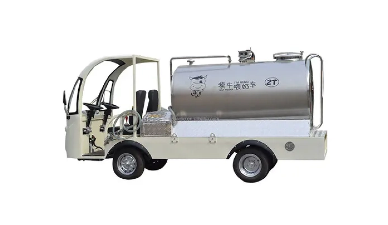
A milk taxi is a specialized vehicle used to transport milk from a dairy farm to the processing plant or collection point. Unlike traditional methods of milk transportation, which often involve manually transporting milk in large containers or using a bulk tanker truck, a milk taxi is designed to be more efficient, cost-effective, and farmer-friendly.
Typically, the milk taxi is a small, customizable vehicle with a tank that can hold a certain amount of milk, usually around 500 to 1000 liters, depending on the farm's needs. These vehicles are equipped with a cooling system to ensure that the milk remains at the optimal temperature during transit. They are also designed for flexibility, allowing farmers to transport milk at different times and in varying quantities, which can help them save on fuel and labor costs.
One of the primary benefits of a milk taxi is the reduction in labor costs. In many traditional dairy farms, milk transportation requires significant manual labor, especially in larger farms where the milk is collected from several different barns. Farmers or workers have to manually transfer the milk from the cow's milking machine to storage tanks, which can be both time-consuming and physically demanding.
By using a milk taxi, the transportation of milk is automated. The milk is pumped directly from the storage tanks into the taxi's milk tank, and the taxi then transports it to the collection point. This system significantly reduces the need for manual labor, allowing farmers to allocate their workforce to other critical tasks on the farm, such as animal care or feeding.
Traditional milk transportation methods often involve the use of large tanker trucks, which can consume a significant amount of fuel. These trucks are usually larger than necessary for smaller farms, leading to inefficiencies in fuel consumption. Milk taxis, on the other hand, are much smaller and more fuel-efficient, allowing farmers to cut down on transportation costs.
Milk taxis are particularly effective for farms with lower production volumes, as they can transport smaller amounts of milk in a more energy-efficient manner. Since these vehicles are designed to be lightweight and fuel-efficient, they consume less fuel per trip compared to larger trucks, resulting in significant cost savings over time.
Another important advantage of a milk taxi is its flexibility. With traditional milk transportation methods, farms are often required to adhere to strict collection schedules dictated by the trucking company or the milk processor. This can lead to delays and logistical challenges, especially if the farm has varying milking schedules or needs to transport milk at different times of the day.
Milk taxis, however, allow farmers to have more control over when and how much milk is transported. Since the milk taxi is often owned or leased by the farmer, they can schedule milk collections according to their own needs, without being tied to a rigid timetable. This increased flexibility can help reduce milk spoilage, optimize labor, and prevent costly delays.
Maintenance costs can be a significant burden for dairy farmers, especially when it comes to large vehicles like tanker trucks. These trucks require regular servicing, which can be expensive. Milk taxis, being smaller and more specialized vehicles, often have lower maintenance costs. They are designed to be easy to service and repair, and their smaller size means that repairs are usually quicker and less costly.
Additionally, since milk taxis are used exclusively for transporting milk, they are less likely to suffer from wear and tear associated with other types of farming equipment, further reducing maintenance costs.
Milk quality is a major concern for dairy farmers. If the milk is not transported and stored correctly, it can spoil or become contaminated, leading to significant losses. Milk taxis come equipped with cooling systems that maintain the milk at the ideal temperature during transportation, ensuring that the milk stays fresh until it reaches the processing plant.
This added layer of quality control can prevent the need for costly rejections from the milk processor due to spoiled milk, which can occur with inefficient transportation methods. By ensuring that the milk is kept at the proper temperature throughout the journey, milk taxis help farmers maintain the quality of their product and avoid financial losses.
Now that we've explored the benefits of using a milk taxi, let's take a closer look at the potential savings for dairy farmers. While the exact savings can vary depending on factors such as farm size, milk production volume, and transportation distance, we can provide a general estimate of how much a milk taxi might save.
The average fuel consumption of a milk taxi is significantly lower than that of a traditional milk tanker truck. Depending on the size of the farm and the distance to the processing plant, a milk taxi can reduce fuel costs by anywhere from 30% to 50% compared to traditional transportation methods. For a small to medium-sized farm, this could translate into annual fuel savings of several thousand dollars.
By automating the milk transportation process, farmers can reduce labor costs associated with manual milk handling. In some cases, a milk taxi can save farmers up to 20% to 30% on labor costs. This can be especially beneficial for farms with a smaller workforce, as it allows farmers to focus their labor on other critical tasks that improve overall farm efficiency.
As mentioned earlier, milk taxis generally have lower maintenance costs than larger trucks. Farmers can save on maintenance and repair costs by using a milk taxi, which typically requires fewer repairs and less frequent servicing. Depending on the size of the farm, maintenance savings can range from a few hundred to a few thousand dollars annually.
By ensuring that the milk remains at the correct temperature during transportation, milk taxis can reduce spoilage and waste. For example, if a farm produces 500 liters of milk per day, and the spoilage rate is reduced by just 1% thanks to the milk taxi's cooling system, that could result in savings of several hundred dollars annually.
In conclusion, a milk taxi offers several benefits for dairy farmers, including reduced labor and fuel costs, increased flexibility, lower maintenance expenses, and better quality control. While the exact savings will vary depending on the size of the farm and its operations, a milk taxi can save farmers significant amounts of money annually. By adopting this innovative technology, dairy farmers can optimize their operations, reduce waste, and improve the overall efficiency of their farms, helping them remain competitive in an increasingly challenging agricultural landscape.
If you're a dairy farmer looking for ways to reduce costs and improve the sustainability of your operations, investing in a milk taxi may be a smart choice that could provide long-term savings and benefits.


