

Views: 0 Author: Site Editor Publish Time: 2026-08-17 Origin: Site


Operating margins in modern beef and dairy production rely heavily on minimizing feed shrink. Every farm must consistently maximize dry matter intake (DMI) to ensure profitable yields. However, inconsistent feed delivery severely degrades farm profitability and animal performance over time. Physical feed separation during long transit times drastically lowers nutritional consistency. Additionally, dedicating high-horsepower tractors for delivery tasks consumes massive fuel and excessive labor hours.
Standard TMR (Total Mixed Ration) mixers handle ration preparation flawlessly. Yet, relying on them exclusively for distribution creates massive logistical bottlenecks. Deploying a dedicated Feed Delivery Box optimizes the final mile of feed management. It ensures precise, timely, and uniform distribution directly to the bunk. You easily transform complex feedlot logistics into a highly scalable, streamlined process. This specialized equipment bridges the gap between mixing and feeding. Producers finally gain unparalleled control over their daily feeding schedules.
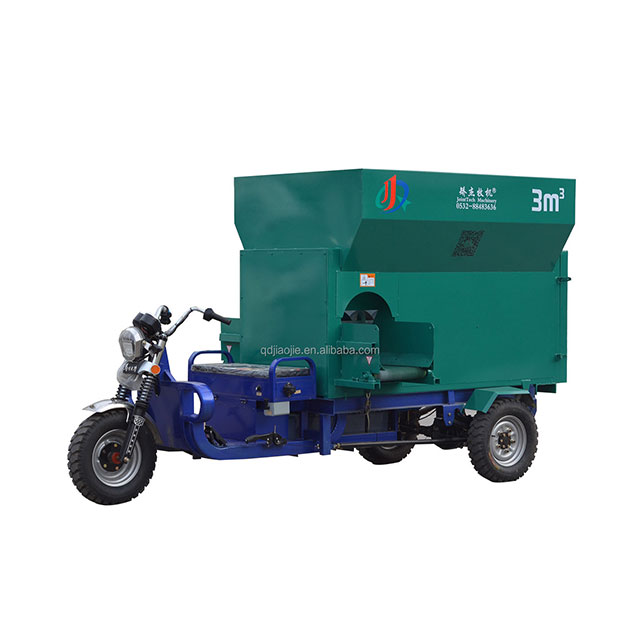
A feed delivery box is a specialized agricultural transport unit designed exclusively for the rapid, accurate dispensing of pre-mixed rations into feed bunks.
By separating the mixing and delivery phases, large-scale operations can reduce tractor bottlenecking and lower daily fuel and labor costs.
Primary efficiency drivers include reduced feed separation, exact scale-integrated dispensing, and faster cycle times across multiple pens.
Selecting the right unit requires matching payload capacity, discharge mechanisms (auger vs. conveyor), and chassis type to specific farm topography and bunk layouts.
You must understand the distinct differences between mixing and delivery equipment. We define a Feed Delivery Box strictly by its transport and dispensing capabilities. It completely lacks the heavy-duty mixing augers found in standard TMR mixers. Manufacturers engineer these units specifically for moving massive volumes of pre-mixed feed rapidly. They do not blend raw ingredients together.
This equipment serves as a high-capacity shuttle for your farm. It allows stationary mixers to run continuously at a central commodity shed. The delivery unit handles rapid distribution to the pens simultaneously. This clear separation of duties dramatically increases your daily feeding capacity. Your stationary mixer never stops working. Your delivery truck never waits for mixing cycles.
You should familiarize yourself with several core components. Each part plays a vital role in operational success.
Hopper/Box: Manufacturers typically construct these from stainless or high-tensile steel. These rugged materials effectively resist corrosion from highly acidic silage. A smooth interior surface promotes rapid feed flow.
Floor Chains/Paddles: These internal mechanisms move bulk material directly toward the discharge point. They operate gently. They do not alter the physical structure of the ration.
Discharge System: These systems include chutes, cross-conveyors, or augers. They direct feed smoothly and consistently into the bunk. They ensure an even ribbon of feed for the livestock.
Using these purpose-built components prevents mechanical stress on the feed. You preserve the precise blend created back at the mixing center. We see better equipment longevity because the parts perform singular, focused tasks.
Delivering feed on a strict schedule matters immensely to animal health. You ensure feed reaches the bunks exactly when needed. Research correlates predictable feeding times directly to improved rumination. It also drives higher milk yield and better average daily gain (ADG). You keep the animals content, healthy, and highly productive.
Preserving ration integrity is a major financial driver. Gentle handling mechanisms prevent harmful sorting behaviors in cattle. They effectively stop particle separation during transit. Over-mixing often occurs when you transport feed long distances in active TMR mixers. A dedicated unit preserves your delicate, expensive mix perfectly. The cows consume exactly what the nutritionist formulated.
Labor and equipment ROI improve drastically under this system. You cut down the hours high-HP mixing tractors spend driving around. They no longer travel endlessly between silos and distant pens. This saves thousands of gallons of diesel fuel annually. You also free up skilled labor for other critical farm tasks.
Large feedlots can implement a highly efficient "hub-and-spoke" feeding model. You centralize the mixing process at a main hub. The delivery trucks act as the spokes. This strategy reduces overall fleet maintenance costs significantly. You operate fewer expensive mixing wagons. You rely on cheaper, faster delivery trucks.
Precision dispensing minimizes expensive feed shrink. Modern units integrate seamlessly with onboard load cells. Advanced batching software prevents accidental overfeeding. You drop the exact weight required for each specific pen. You eliminate massive piles of wasted, spoiled feed. This tight control protects your operating margins daily.
Operations must choose between trailed and truck-mounted configurations carefully. Each category offers unique operational benefits. You must match the chassis type directly to your specific facility layout. Topography and road conditions dictate the smartest choice.
Trailed units operate as pull-type vehicles behind standard farm tractors. They shine in mid-sized operations. They handle muddy or rough terrain exceptionally well. Farms looking to maximize their existing tractor fleets usually prefer trailed units. However, they suffer from slower transit speeds. They also offer lower maneuverability inside tight yard layouts.
Truck-mounted units mount directly onto commercial truck chassis. They dominate in large-scale feedlots. Multi-site operations rely on them heavily for long-distance hauling. They travel smoothly over paved or graded roads. Operators enjoy superior transit speed and comfortable, climate-controlled cabs. These units boast much tighter turning radiuses. However, they require higher initial capital expenditure. They also demand specialized commercial vehicle maintenance.
Feature | Trailed (Pull-Type) Boxes | Truck-Mounted Boxes |
|---|---|---|
Best For | Mid-sized farms, rough terrain, muddy feedlots | Large feedlots, multi-site hauling, paved roads |
Key Advantages | Utilizes existing tractors, superior mud traction | High road speed, tight turning, operator comfort |
Limitations | Slow transit speed, wider turning radius | Requires commercial maintenance, lower mud capability |
Capital Expense | Generally lower initial investment | Higher initial investment (chassis included) |
Weighing these specific pros and cons is essential. You must evaluate your longest hauling distance accurately. You must also account for seasonal weather changes. Spring mud can easily sideline a heavy highway truck. Plan your purchase around your worst-case weather scenarios.
Selecting the perfect unit requires strict technical evaluation. You cannot guess the required specifications. We recommend following a structured sizing framework.
Capacity-to-Pen Matching: Calculate your cubic-foot requirements accurately. You base this on herd size and total bunk length. Maximum feed density matters greatly here. High-moisture silage requires different volume calculations than fluffy dry hay. You want to avoid inefficient partial trips entirely.
Discharge Configuration Selection: You choose between two primary discharge options. Auger discharge proves reliable for uniform, highly dense rations. However, aggressive augers may cause slight breakdown of fragile feedstuffs. Conveyor or belt discharge works perfectly for preserving delicate roughage. Belts also accommodate varying bunk heights much more easily.
Scale and Software Compatibility: Assess plug-and-play capabilities closely. Your new unit must integrate seamlessly alongside existing farm management software. You want precision feeding systems linked directly for automated cloud-based tracking. Seamless data transfer prevents operator data entry errors entirely.
Durability and Wear Points Analysis: Evaluate the steel gauge closely before purchasing. Poly-lined floors reduce friction significantly. They also prevent aggressive acid wear from fermented feed. Ensure your maintenance technicians can access grease banks easily. Easy access guarantees routine servicing actually gets done.
Best practices dictate buying slightly more capacity than currently needed. Herd expansions happen frequently. You want your equipment to handle future growth seamlessly. Upgrading a perfectly good box later wastes valuable capital.
Real-world deployment requires careful planning and foresight. We must acknowledge practical constraints before purchasing. Ignoring these realities leads to severe operational friction.
Topography presents the most common physical barrier. Delivery boxes require sufficient turning clearance everywhere. They need stable, predictable ground consistently. Heavy truck-mounted units often struggle terribly in poorly drained environments. You must assess your yard infrastructure honestly. Grade your roads and improve drainage before a new truck arrives.
Bunk height discrepancies cause major daily headaches. You must measure the minimum and maximum bunk heights across all pens. Failing to do this causes catastrophic feeding delays. Your discharge mechanism might not reach properly. It could spill valuable feed needlessly onto the ground. Ensure the chosen discharge chute clears your tallest bunk comfortably.
Operator adoption requires focused management effort. Shifting to a hub-and-spoke feeding model demands proper training. You must retrain staff on precise loading protocols. They must master the new software integration fully. This ensures the correct batch always goes to the correct pen. Resistance to new technology is common. Provide ample training time.
Strict maintenance commitments prevent sudden disasters. Chains, sprockets, and sensitive load cells require daily preventative maintenance. You avoid critical downtime during narrow feeding windows. A broken delivery truck starves the herd rapidly. You must empower your team to perform daily visual inspections. Stock essential spare parts on the farm.
A Feed Delivery Box completely transforms livestock feeding logistics. It turns a massive daily bottleneck into a precise, highly scalable process. You preserve ration integrity while slashing unnecessary tractor hours.
Base your final purchasing decision strictly on concrete facility data. Facility size dictates whether you need trailed or truck-mounted units. Your specific ration type heavily influences the chosen discharge mechanism. Finally, your data ecosystem dictates the required scale integration.
Here are your immediate next steps:
Audit your current daily mixing times.
Compare mixing times directly against delivery transit times.
Calculate your potential labor savings clearly based on those transit delays.
Measure every bunk height across your entire facility today.
Request customized equipment demos and targeted dealer quotes based on your math.
A: No, they lack the torque and aggressive auger design required for uniform mixing. Manufacturers engineer them strictly for rapid transport and accurate dispensing. Using them to mix raw ingredients will damage the gentle floor chains.
A: Calculate it based on your maximum load weight, average ration density, and specific pen sizes. Multiply the animals per pen by their daily DMI volume. This precise calculation helps you avoid inefficient partial trips.
A: Yes, especially for operations feeding high-moisture, acidic rations like corn silage. The poly lining prevents severe steel corrosion. It also significantly reduces floor-chain friction, lowering hydraulic power requirements during daily operation.
A: Yes, you can successfully mount new boxes on used commercial chassis. You must ensure the wheelbases, cab-to-axle measurements, and payload ratings match the box specifications perfectly for safe operation.


