

Views: 0 Author: Site Editor Publish Time: 2025-11-17 Origin: Site


Providing animals with consistent and balanced nutrition is one of the most important responsibilities in modern livestock farming. Healthy animals are more productive, resilient, and profitable, whether raised for meat, milk, wool, or other agricultural purposes. Among the tools that have transformed how feed is managed and delivered, the feed delivery box stands out as a practical and highly effective solution.
This article explores the role of feed delivery boxes in animal health, how they improve feeding consistency, their benefits for farm efficiency, and the growing importance of such innovations in sustainable agriculture.
A feed delivery box is a specialized piece of equipment designed to store, transport, and dispense feed directly to animals. It can be mounted on trucks, trailers, or feeding machines and is engineered to distribute feed in precise quantities. Unlike traditional feeding methods—such as hand distribution or basic trough feeding—feed delivery boxes allow for greater control, consistency, and efficiency in the feeding process.
Modern feed delivery boxes often include features such as:
Adjustable discharge systems to control portion sizes.
Weather-resistant construction to protect feed quality.
Integration with automated systems for precise scheduling.
Compatibility with a variety of feed types, including pellets, grains, and mixed rations.
By combining storage, transport, and controlled distribution, feed delivery boxes simplify farm operations while ensuring animals receive a steady and balanced supply of nutrients.
Animals require consistent nutrition to thrive. Sudden changes in feeding patterns or irregular feed distribution can lead to stress, digestive issues, and reduced productivity. For example:
Sheep and goats may experience weight fluctuations and lower wool quality.
Cattle can develop digestive disorders such as acidosis if feed is delivered inconsistently.
Poultry may produce fewer eggs or experience uneven growth rates without steady access to nutrients.
By ensuring feed is delivered on time, in appropriate amounts, and evenly across the flock or herd, feed delivery boxes help maintain animal health and prevent such problems. Healthy animals, in turn, contribute to more efficient farming and higher returns.
Feed delivery boxes make it possible to dispense feed at regular intervals and in uniform amounts. This eliminates the risks associated with irregular feeding schedules, helping animals establish stable feeding patterns that promote better digestion and nutrient absorption.
When feed is delivered consistently and fairly, animals experience less stress and competition. Dominant animals are less likely to monopolize resources, allowing weaker or younger animals to access their fair share of feed. This creates a calmer environment and improves overall flock or herd welfare.
Manual feeding often leads to spillage, overfeeding, or uneven distribution. Feed delivery boxes are engineered to minimize waste by delivering precise amounts where needed. Reduced waste directly translates to lower operational costs and more sustainable feed management.
Feeding animals by hand or using traditional tools can be labor-intensive. Feed delivery boxes automate much of the process, significantly cutting down on time and workforce requirements. This is particularly beneficial for larger farms managing hundreds or thousands of animals.
While feed delivery boxes require an initial investment, the long-term benefits—less feed waste, healthier animals, and reduced labor costs—make them highly cost-effective solutions for modern farms.
In small ruminant farming, feed delivery boxes help provide uniform feed across flocks, preventing overfeeding in dominant animals and ensuring that lambs or kids get the nutrients they need for growth.
For cattle, consistency is especially important to maintain milk production and steady weight gain. Feed delivery boxes ensure that each cow receives the right amount of feed, reducing digestive issues and enhancing productivity.
Although poultry feeding systems are often specialized, feed delivery boxes can be adapted to store and distribute large quantities of grains or pellets efficiently. This ensures birds always have access to a steady feed supply.
For farms with multiple types of animals, feed delivery boxes offer flexibility. They can handle different feed types and be adjusted for species-specific feeding needs, making them versatile assets in mixed farming environments.
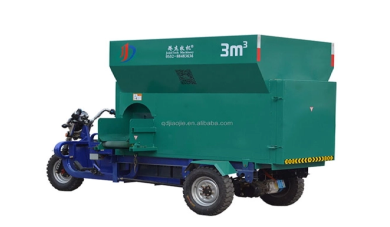
Today’s feed delivery boxes are not just static containers; many are integrated with advanced farm management systems. Innovations include:
Automated Timers and Sensors – Schedule feed deliveries based on time, animal behavior, or consumption rates.
Data Tracking Systems – Record feed usage, monitor patterns, and optimize rations for better efficiency.
Remote Operation – Farmers can control feed delivery using smartphones or computers, reducing the need for constant supervision.
Smart Dispensing Technology – Adjust feed output automatically based on animal weight, age, or production stage.
These advancements align with the broader trend of precision agriculture, where technology is used to maximize efficiency and reduce resource waste.
Sustainability is a growing priority in agriculture, and feed delivery boxes play a role in achieving eco-friendly practices. By reducing feed waste, they conserve resources and lower the carbon footprint associated with feed production and transport.
Moreover, by promoting animal health through consistent nutrition, feed delivery boxes reduce the need for medical interventions, antibiotics, and other treatments. This aligns with consumer demand for ethically and sustainably produced animal products.
While feed delivery boxes offer many advantages, farmers should consider a few key factors before adopting them:
Initial Investment Costs – Advanced feed delivery systems can be costly upfront, although savings typically offset these costs over time.
Maintenance Requirements – Regular cleaning and upkeep are necessary to prevent mechanical issues and contamination.
Proper Training – Operators must understand how to use the equipment effectively to avoid inefficiencies or errors in feed distribution.
With proper planning, these challenges can be managed, ensuring that the benefits outweigh the drawbacks.
The future of feed delivery systems is moving toward greater automation and intelligence. Emerging technologies such as artificial intelligence (AI) and the Internet of Things (IoT) are expected to make feed delivery boxes even more efficient and adaptive. For example:
AI systems could adjust feed rations based on real-time animal health data.
IoT connectivity could allow farmers to monitor feed levels remotely and receive alerts when supplies are running low.
Solar-powered feed delivery boxes could further reduce environmental impact and energy costs.
These innovations promise to make feed delivery boxes indispensable in the next generation of livestock farming.
Feed delivery boxes have become essential tools in modern livestock farming, directly influencing animal health and farm efficiency. By ensuring consistent nutrition, reducing waste, saving labor, and supporting animal welfare, they help farmers achieve better productivity and long-term sustainability.
As the industry continues to move toward automation and smart farming, feed delivery boxes will play an even greater role in ensuring livestock receive the right nutrition at the right time. For farmers looking to modernize their feeding systems, investing in a high-quality feed delivery box is a practical and forward-looking decision.
To explore reliable feed delivery solutions designed for today’s farming challenges, visit www.jmachinery.com. Their expertise and product range make them a valuable partner for farmers seeking to improve efficiency, enhance animal health, and secure sustainable growth for the future.


