

Views: 0 Author: Site Editor Publish Time: 2025-11-01 Origin: Site


Did you know that feed pushers can significantly improve dairy farm efficiency? These essential tools are transforming how cows are fed, leading to healthier herds and more productive operations. In modern dairy farming, ensuring cows have consistent access to fresh feed is crucial.
In this article, we will discuss the role of feed pushers, how they benefit cow health, and their economic advantages. You'll also learn about future advancements in feed pushing technology and how they can help optimize dairy farm operations.
Feed pushers ensure that feed remains accessible to cows throughout the day. By pushing feed towards the troughs regularly, they prevent feed from accumulating in one corner or being wasted. This is especially important as cows are more likely to eat when their feed is fresh and within reach. If feed is left in a pile or too far from the cows, it may become less appealing or inaccessible. With a feed pusher in place, feed is always within proximity, allowing cows to consume their required daily intake.
With feed often wasted when it's pushed aside or left untouched, feed pushers help redistribute the feed evenly. This reduction in waste directly impacts the farm's bottom line, leading to savings in feed costs. In addition, by keeping feed within easy reach, cows are more likely to consume the total amount of food offered, further improving feed efficiency. When cows have consistent access to their feed, they are less likely to waste it by stepping on it or pushing it out of reach. As a result, dairy farms can save significant amounts of money on feed.
Feed pushers automate a task that traditionally requires manual labor. Instead of having workers constantly push feed into the troughs, a feed pusher can do this on its own. This allows farm workers to focus on other critical tasks, improving overall operational efficiency. For larger farms, reducing manual labor can lead to better resource allocation and a more productive workforce.
By regularly pushing feed into the troughs, feed pushers ensure that cows always have a consistent supply of food. Consistent feeding is essential for maintaining optimal cow health, energy levels, and milk production. Consistent feed levels help cows eat at their own pace, leading to improved digestion and better overall well-being. The even distribution of feed also helps prevent cows from crowding or competing for food, which can lead to stress and unhealthy behaviors.
The electric feed pusher comes equipped with a patented disinfection fog cannon that provides several benefits to the farm environment. This fog cannon can spray water to cool the barn, kill insects and mosquitoes, and reduce dust levels. By humidifying the environment, it helps prevent the transmission of infectious diseases, reducing the number of pathogenic microorganisms in the farm. This feature not only benefits the health of the animals by maintaining a cleaner environment but also contributes to the overall farm's productivity and hygiene.
The fog cannon plays an essential role in maintaining a healthy farm environment by reducing the spread of diseases. It helps lower the risk of infections among livestock, which is especially important in large farming operations. By ensuring a clean, well-humidified environment, the fog cannon improves animal health, fertility, and productivity. Cows benefit from a cooler environment, reducing stress during hot weather and promoting better milk production.
Powered by electricity, the feed pusher with fog cannon operates in an energy-efficient manner, reducing the need for fuel consumption. In addition, the system is designed to run quietly, ensuring that it does not disturb cows while they are feeding. The low noise level is particularly important in environments where livestock need to feed in peace, preventing unnecessary stress and maintaining a calm atmosphere in the barn.
Cows thrive on routine, and having constant access to fresh feed reduces the stress of competing for food. Stress reduction leads to improved cow health, which is crucial for maintaining high levels of milk production. Feed pushers automate this process, offering cows an uninterrupted feeding experience. When cows are stressed, their milk production can decrease, and they may even develop other health issues. By ensuring they have constant access to feed, feed pushers reduce the stress cows face during feeding time, promoting overall health and well-being.
Cows that are allowed to eat regularly without disruption tend to have better digestion, which leads to higher milk yields. Feed pushers ensure that cows get consistent access to food, which supports their digestive health and milk production. Regular access to feed promotes a steady flow of nutrients, which aids digestion and boosts milk output. Cows that experience disruptions in feeding time may suffer from digestive issues or decreased milk production, which is why maintaining consistent feed levels is so important.
Feed pushers minimize the competition between cows for food. By ensuring that every cow has access to feed at all times, they encourage healthy and efficient feeding behavior, which is essential for maintaining herd health. In crowded feeding situations, more dominant cows often get the majority of the feed, while weaker cows may not get enough. Feed pushers ensure that this does not happen, helping maintain a balanced feeding environment where all cows have equal opportunities to consume their share of food.
High-producing cows require a steady and uninterrupted supply of feed to meet their nutritional needs. Feed pushers cater to these needs by ensuring that high-producing cows always have access to the nutrients they require to maintain peak production levels. These cows need a higher intake of nutrients to support their milk production, and ensuring they have constant access to feed helps keep them healthy and productive. Feed pushers play a critical role in supporting the nutritional needs of high-production cows, which is essential for maximizing milk output.
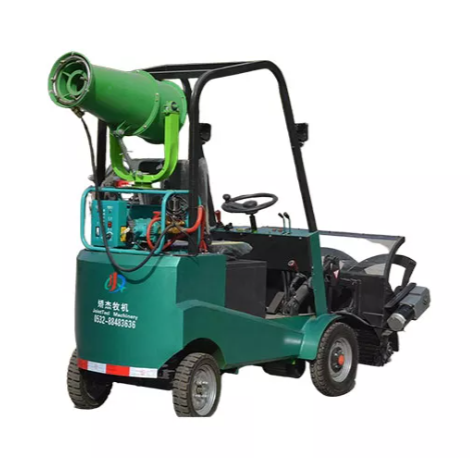
Inclined plate feed pushers are a popular choice for many dairy farms, especially in barns with narrow aisles or small spaces. These machines are designed with a simple yet effective mechanism where a curved plate is used to push feed from the middle of the feed alley towards the feeding area. The plate’s inclined angle allows it to move feed effectively, even in confined spaces. The electric drive system makes it easy to operate, and it is powered by electricity, reducing fuel usage compared to tractor-driven options.
The key benefit of inclined plate feed pushers is their compact design and efficiency in moving feed with minimal labor. They are particularly useful in smaller barns or areas where large, bulky machinery would be difficult to maneuver. The small turning radius ensures that even in tight spaces, a single operator can use the feed pusher to keep the feed accessible to livestock at all times.
Screw-type feed pushers are another effective solution for dairy farmers looking to improve feed distribution. These machines use a rotating screw mechanism to push feed toward the feeding area, ensuring that the feed is consistently replenished. The screw-type design is particularly effective in barns with larger feed alleys or longer distances to cover. The push-sweeping function helps keep feed areas clean by moving feed and preventing it from accumulating in one spot.
Screw-type feed pushers are known for their durability and versatility, making them a good choice for farms that require consistent feed movement over large areas. They can be operated manually by a single farmer and are ideal for farms that need a reliable feed distribution system with a relatively simple operation.
Both inclined plate and screw-type feed pushers offer significant benefits, but the choice between the two depends on farm size, feed distribution needs, and available space.
| Feed Pusher Type | Features | Ideal Use Case |
|---|---|---|
| Inclined Plate Feed Pusher | Compact design, simple operation, small turning radius | Small barns, tight spaces, low labor requirement |
| Screw-Type Feed Pusher | Rotating screw mechanism, ideal for large feed areas | Larger barns, farms requiring extensive feed pushing |
While inclined plate feed pushers are more suitable for smaller barns with limited space, screw-type feed pushers are ideal for larger barns where feed needs to be distributed over a wider area. Both systems are effective in reducing feed waste and improving feeding efficiency, but the choice depends on the farm’s specific requirements.
The automation of feeding tasks reduces the need for manual labor, which can be a significant cost-saving measure on dairy farms. Feed pushers handle repetitive tasks, freeing up workers to focus on more complex activities, enhancing overall farm productivity. This labor saving can significantly improve farm efficiency, allowing farmers to reallocate their workforce to tasks that require more expertise.
Feed pushers ensure that cows always have access to fresh food, which minimizes waste. This efficiency reduces the need for excess feed and improves overall feed usage, leading to cost savings and better farm profitability. Proper feed management can have a major impact on the farm's financial health, reducing the cost of unused or wasted feed. By maintaining proper feed levels, feed pushers help ensure that cows get the nutrition they need without overfeeding, which is both wasteful and expensive.
Although the initial investment in feed pushers, especially robotic systems, can be high, the ROI is generally quick. With labor savings, reduced feed waste, and improved milk production, farms often see a return on investment within a few years. The long-term savings generated by feed pushers, coupled with their ability to improve cow health and productivity, make them a worthwhile investment for many dairy farms.
By pushing feed back into the troughs regularly, feed pushers reduce the amount of feed that is wasted. This reduction in feed waste not only benefits the farm economically but also has a positive environmental impact by decreasing the amount of unused feed that contributes to landfills. The efficient use of feed is crucial in reducing the farm's environmental footprint, contributing to sustainability goals.
Efficient feed use is a cornerstone of sustainable farming. Feed pushers ensure that feed is distributed evenly and consistently, which minimizes waste and supports better resource management, contributing to sustainability goals. By optimizing feed distribution, feed pushers help reduce the overall input needed for dairy production while maintaining high standards of cow health.
Feed pushers play a key role in precision farming by ensuring that cows receive the right amount of feed at the right time. As part of a broader strategy to optimize farm operations, feed pushers help dairy farms achieve greater efficiency and sustainability. Precision farming techniques allow for more effective resource management, which ultimately contributes to the farm's long-term success.
The future of feed pushers lies in advanced automation, incorporating artificial intelligence to better monitor feed levels and adjust distribution based on real-time data. These systems will become smarter, more efficient, and capable of integrating seamlessly with other farm management tools. As AI continues to evolve, feed pushers will become more adaptable, providing tailored feeding solutions for farms of all sizes.
As farms become more technologically integrated, feed pushers will work in tandem with other management systems, such as milking robots and cow health monitoring systems. This integration will provide a holistic view of farm operations and allow for more precise control of resources. Feed pushers will be able to adjust their operation based on the needs of the cows and the farm, optimizing feed use and ensuring better overall farm performance.
Future feed pushers will focus on energy efficiency and sustainability, featuring low-energy motors and environmentally friendly materials. These innovations will further reduce the environmental impact of dairy farming and support more sustainable practices. The goal is to make feed pushing systems more energy-efficient, reducing the farm's carbon footprint while still maintaining peak performance.
Feed pushers are transforming dairy farming by ensuring consistent feed access, reducing waste, and improving cow health. With advancements in automation, they are becoming more efficient, cost-effective, and environmentally friendly. By adopting these systems, dairy farms can enhance feed management and overall productivity. As the industry evolves, feed pushers will continue to improve farm operations and contribute to sustainability. Products like those from Qingdao JointTech Machinery lnc. offer unique advantages, optimizing dairy operations and supporting the long-term success of the farming industry.
A: A Feed Pusher is a machine that automatically redistributes feed in dairy farm troughs, ensuring cows have constant access to fresh feed throughout the day.
A: Investing in a Feed Pusher helps reduce feed waste, improve feed access for cows, streamline labor, and increase overall farm efficiency.
A: Feed Pushers reduce stress by ensuring cows consistently have access to feed, promoting better digestion, milk production, and overall well-being.
A: Feed Pushers can be a cost-effective solution, even for smaller farms, as they reduce labor costs and improve feed efficiency.
A: Yes, many Feed Pushers can integrate with other farm management systems, allowing for more efficient operations and better resource tracking.


