

Views: 0 Author: Site Editor Publish Time: 2026-08-07 Origin: Site


Investing in a high-capacity TMR Mixer does not eliminate the need for strict feed management. Operators often dump unprepared raw materials directly into the tub. This mistake causes inconsistent rations, excessive fuel burn, and premature equipment wear. Proper preparation ensures uniform distribution of nutrients. It minimizes harmful sorting behavior by livestock. It also optimizes the mechanical efficiency of the mixing equipment itself.
The baseline assumption here is simple. The goal of preprocessing is not to add unnecessary labor to your daily routine. Instead, you transfer mechanical stress away from the mixer. This ensures verifiable, repeatable feed quality. Skipping these crucial preparation steps degrades machinery over time. You will learn exactly how to size particles, adjust moisture levels, and remove dangerous debris. These proactive measures protect your capital equipment and maintain excellent herd health.
Treating your mixing wagon as a universal grinder carries heavy operational penalties. When you skip preprocessing, you transfer immense mechanical burdens directly to your daily feeding equipment. This oversight cascades into inflated energy costs, compromised animal health, and shrinking daily throughput.
Analyze the energy penalty of relying on the mixer to perform heavy chopping tasks versus dedicated pre-chopping. Tractors must maintain elevated RPMs for extended periods to tear through raw, long-stem bales inside a tub. This constant high-torque demand spikes diesel consumption significantly. By utilizing dedicated pre-chopping equipment, you allow the mixing tractor to run at an optimal, lower RPM. Analyzing monthly fuel consumption data quickly reveals the massive energy waste associated with in-tub primary chopping. A well-prepared batch requires far less PTO exertion, saving thousands of dollars in diesel fuel annually.
Address the risk of diet sorting. Cows are notorious for picking through poorly blended feed to find sweet grains while leaving roughage behind. If long-stem forages are not pre-sized accurately, the resulting physical effective neutral detergent fiber (peNDF) variation negatively impacts rumen health. Large, unchopped stems create inconsistent bulky pockets within the ration. When cows sort these large pieces out, they experience sub-acute ruminal acidosis due to excessive starch intake. Pre-sizing guarantees an even distribution of nutrients. Every bite delivers the exact formulated diet required for peak milk production or weight gain.
Define the success criteria for batch preparation. Throughput capacity dictates farm efficiency. Preprocessing reduces active mixing time per batch dramatically. If you dump raw bales into a tub, the processing cycle might take thirty minutes before it achieves proper incorporation. Pre-milled and pre-processed materials blend in a fraction of that time. Shortening each batch cycle increases the daily throughput capacity of the feeding operation. This allows your team to feed more pens per hour, reallocating valuable labor to other farm tasks.
Establishing standardized workflows for raw materials guarantees consistent bunk deliveries. These core preprocessing steps form the foundation of a professional feed management program.
Precision sizing transforms raw commodities into blend-ready ingredients. You must establish standard lengths for dry hay, silage, and straw based on Penn State Particle Separator guidelines. The top sieve should retain adequate long particles for rumen mat stimulation, but fibers exceeding three inches often induce sorting. We recommend the following sizing protocols:
Evaluate the necessity of tub grinders or forage harvesters for reducing long-stem baled forage prior to mixer entry. Running round bales through a tub grinder creates a uniform input material. Furthermore, assess grain processing needs. Rolling grains maximizes starch digestibility for cattle, whereas aggressive grinding creates dusty fines. You must prepare these carbohydrates optimally before blending them alongside roughages.
Moisture dictates how well dry ingredients bind together. Establish a framework for calculating target Dry Matter (DM) percentages prior to loading. Dairy rations typically require 45-55% moisture content. If the pre-mix materials are too dry, particles segregate during discharge. If they are too wet, they clump and spoil rapidly in the bunk.
You must pre-blend liquid supplements carefully. Molasses, whey, and supplemental water act as glue for powdered minerals. Pre-staging these liquids prevents clumping. It ensures an even coating across all dry ingredients. Injecting liquids directly into unprepared dry hay often creates heavy, sticky balls inside the tub. Pre-conditioning the roughage guarantees uniform liquid absorption.
Agricultural fields harbor hidden dangers. Baling wire, broken rake tines, and stones routinely find their way into harvested forage. Implementation of heavy-duty magnets on loader buckets or pre-processing conveyors captures tramp metal before it reaches the mixing chamber.
Conduct a cost-benefit analysis comparing damaged mixer knives against upfront screening protocols. Replacing a shattered tungsten-coated auger knife costs hundreds of dollars. The downtime associated with replacing a bent auger flighting costs even more. Installing robust rare-earth magnets on your loader bucket eliminates these risks. Upfront debris removal protects your machinery investments.
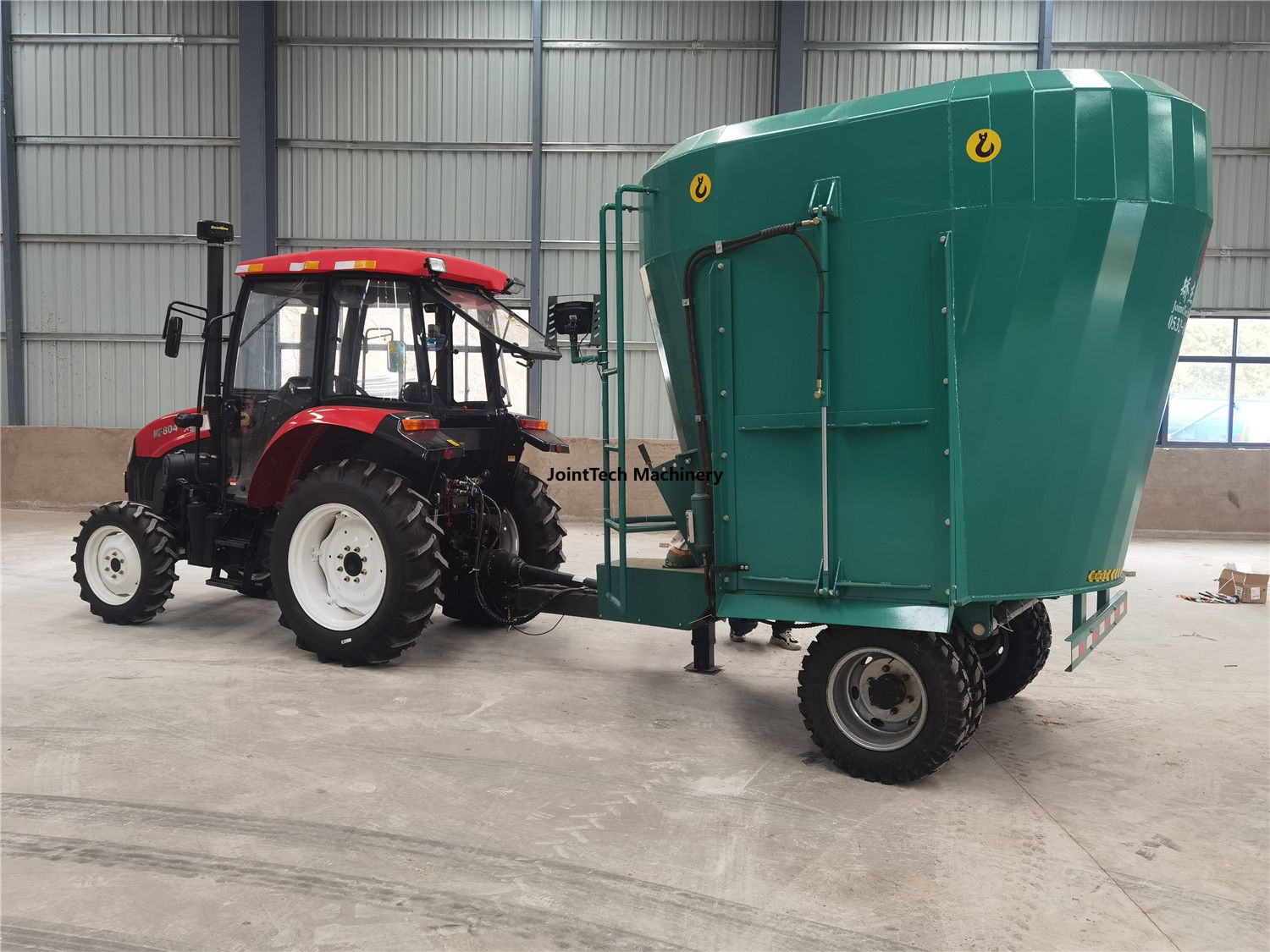
Equipment design dictates exactly how much preparation your ingredients require. You cannot apply a universal standard across all machine styles. Adjusting your strategy prevents severe mechanical breakdowns.
Vertical auger systems handle unprocessed round bales better than horizontal systems. The aggressive lifting and cutting motion of a vertical cone allows it to tear apart heavy bales. However, vertical machines still suffer efficiency losses without partial pre-sizing. Forcing a vertical auger to chew through tight, dry bales accelerates shear-bar and knife wear significantly.
Horizontal machines require rigorous preprocessing. Four-auger horizontal units excel at precision blending, but they fail quickly when fed intact bales. Long stems wrap around horizontal shafts, destroying bearings and snapping drive chains. Highlight these shear-bar wear assumptions before forcing any mixer to act as your primary farm chopper.
Evaluate PTO horsepower limitations carefully. A Trailed TMR Mixer powered by a mid-range tractor requires more aggressive preprocessing of raw materials to prevent PTO stalling or shear bolt failure. A 100-horsepower tractor operates efficiently when blending pre-chopped ingredients. However, dropping an intact, dense bale into the same trailed unit will stall the tractor instantly.
Loading sequence logistics also play a massive role. Pre-staged, pre-processed materials improve loader efficiency for trailed units moving between commodity bays. When you size hay ahead of time, the payload drops into the tub smoothly. This minimizes the idle time the tractor spends running the PTO while waiting for the loader operator to tear bales apart manually.
Even well-intentioned preparation protocols carry inherent risks. You must balance mechanical efficiency against nutritional integrity and environmental factors.
Aggressive pre-chopping creates its own set of dangers. Warn your operators against excessive milling. Over-processing destroys the necessary scratch factor in the diet. Cows require physically effective fiber to stimulate cud-chewing and saliva production. Saliva buffers rumen pH. When you pulverize hay into dust, you eliminate this scratch factor. This directly leads to sub-acute ruminal acidosis, depressed butterfat, and severe hoof issues.
Farm labor remains a scarce resource. You must balance the labor hours required for preprocessing against the time saved during the actual mixing cycle. Spending four hours a day running a tub grinder makes no sense if it only saves one hour of mixing time. Optimize your workflow by batch-processing dry hay once a week rather than every morning. This concentrates labor hours efficiently.
Address how freezing temperatures or high-humidity environments alter preprocessing requirements. Winter feeding presents unique challenges. Frozen silage chunks act like boulders inside a tub. You must break up frozen blocks using a defacer or loader bucket before loading. High humidity causes dry commodities to absorb moisture, leading to bridging in storage bins. Adjust your protocols seasonally to accommodate these environmental variables.
The following chart illustrates the nutritional and mechanical outcomes across different processing scenarios.
| Processing Status | Mechanical Impact | Nutritional Impact | Livestock Behavior |
|---|---|---|---|
| Under-Processed (Raw Bales) | High PTO strain, frequent shear bolt failure, rapid knife dulling. | Inconsistent peNDF distribution, poor liquid absorption. | High sorting behavior, uneven nutrient intake. |
| Optimally Processed (1-2 inch cut) | Smooth auger rotation, minimal torque spikes, lower fuel use. | Ideal rumen mat formation, balanced starch availability. | Uniform bunk consumption, stable rumen pH. |
| Over-Processed (Pulverized) | Rapid blending, minimal PTO power required. | Zero scratch factor, highly rapid fermentation rate. | Increased risk of acidosis, depressed butterfat levels. |
Farm managers eventually face a major capital decision. Should you buy separate preparation machinery or buy a heavier-duty mixing unit? Approaching this choice requires objective data analysis.
Evaluate the capital expenditure of buying a dedicated bale processor or tub grinder versus upgrading to a heavier-duty mixer featuring aggressive cutting knives. Buying an external bale processor requires upfront capital and a secondary tractor. However, it preserves the lifespan of your mixing equipment indefinitely. Alternatively, purchasing a robust, twin-auger mixer reduces machinery fleet size but demands frequent replacement of cutting components. You must weigh these upfront costs against long-term maintenance realities.
Develop a framework for deciding when herd size dictates separating the chopping process from the mixing process. Small operations under 100 cows often utilize the mixer for both tasks to save capital. As herds scale beyond 500 head, throughput demands separate equipment. Large dairies simply cannot afford the 20-minute processing delay per batch. Scale dictates specialization.
Before making large purchasing decisions, execute a farm-level audit. Implement the following steps immediately:
A mixing wagon serves as a precision blending tool, not a primary reduction machine. Forcing it to perform heavy chopping duties guarantees premature failure and poor nutritional outcomes. Implementing strong preparation protocols transfers mechanical stress away from sensitive blending components. This limits costly breakdowns.
We recommend aligning your preprocessing protocols precisely with specific nutritional targets and equipment capacity limits. Pre-sizing materials, adjusting moisture proactively, and screening for tramp metal will transform your feeding efficiency. Execute these steps daily to ensure long-term return on your machinery investment and sustain peak herd performance.
A: No. While vertical models handle raw round bales better than horizontal designs, processing intact bales inside the tub accelerates knife wear and increases mixing times. Pre-processing bales improves fuel efficiency and reduces mechanical strain.
A: For dairy rations, the ideal moisture content typically ranges between 45% and 55% Dry Matter (DM). This target ensures proper ingredient binding, minimizes dust, and prevents rapid bunk spoilage or sorting behavior.
A: Pre-chopping significantly extends machinery lifespan. It lowers the torque required to spin the augers, prevents shear bolt failures, reduces wear on gearboxes, and keeps cutting knives sharper for much longer periods.
A: Always load long-stem forages first so they can size down further. Follow with grains and fine commodities, then add wet feeds like silage, and finally inject liquid supplements to coat the entire blend evenly.
A: You should inspect and clean heavy-duty magnets daily or after every feeding cycle. Debris buildup reduces magnetic strength, allowing dangerous wires or bolts to pass into the feed and harm livestock.


