

Views: 0 Author: Site Editor Publish Time: 2025-11-08 Origin: Site


Are you looking to streamline feed management on your farm?Tools like feed sweepers and feed pushers have become essential for improving efficiency.Proper feed distribution not only ensures better nutrition for livestock but also reduces waste, boosting farm productivity.
In this article, we will explore the differences between feed sweepers and feed pushers, helping you decide which tool is right for your farm. By examining their benefits, ideal uses, and key distinctions, you’ll gain valuable insights into which tool will enhance your farm’s operations.
A feed sweeper is a mechanical tool designed to push feed towards the feeding area or bunkers. It is primarily used to clean barns by moving feed and other debris to designated areas for easy disposal. This tool is particularly useful for maintaining a tidy environment, ensuring that feed is always accessible to livestock. Feed sweepers are typically equipped with rotating brushes or conveyor belts that sweep the feed to specific locations. This movement helps ensure that all livestock have access to their food, and it prevents feed from accumulating in one area, which could lead to feeding inefficiency or wastage. Feed sweepers are ideal for farms where feed can accumulate in piles, requiring frequent management. The tool ensures a continuous and effective flow of feed, thereby making feeding times more efficient and consistent.
Feed sweepers are essential for maintaining a clean and organized barn, which is crucial for animal health and feed efficiency. By regularly pushing feed into place, they help avoid feed wastage, making it easier for livestock to access food. Additionally, sweeping helps control dust and other debris, contributing to a healthier environment for both animals and workers. Cleaner barns also help reduce the risk of infections or illnesses among livestock, ultimately improving overall farm health. Furthermore, feed sweepers can reduce the need for manual labor, as they help automate the feed distribution process, saving farmers time and effort. This efficiency allows farmers to focus on other critical tasks such as monitoring animal health, improving farm practices, or increasing productivity in other areas.
Feed sweepers are most beneficial for farms that deal with larger volumes of feed and have a need for cleanliness. Farms with multiple feed stalls or bunkers where feed piles up would benefit from using sweepers. Small-scale farms may also find feed sweepers useful, especially for areas with a high feed turnover. This tool is particularly effective in dairy farms or any setting where cleanliness is a top priority. For farms that require regular feed management, feed sweepers help ensure that feed remains evenly distributed across the barn, preventing it from accumulating in one spot.
A feed pusher is a tool designed to push feed toward livestock to ensure they always have access to food. Unlike feed sweepers, which clean barns, feed pushers focus on keeping the feed accessible for livestock throughout the day. This device works by moving feed from the feed alley to the feeding area, ensuring a constant supply of food for the animals. Feed pushers are particularly useful in large farming operations where the continuous distribution of feed is essential for optimal livestock growth and productivity. These tools are typically powered by electricity and require a human operator to move the feed in the desired direction, ensuring the feed is properly distributed.
Feed pushers are designed to increase feeding efficiency by pushing feed consistently to the animals. One of their primary advantages is that they reduce feed wastage, ensuring animals have continuous access to food without having to walk to it. This helps livestock consume their feed more effectively, leading to better nutrition and overall farm productivity. A well-nourished animal will naturally perform better in terms of growth, reproduction, and production. By reducing the need for manual labor, feed pushers allow farmers to focus on other important tasks. Over time, this tool can lead to significant labor savings, especially for larger farms or farms with high feed turnover. Additionally, feed pushers help maintain a consistent and clean feeding area, which contributes to a healthier environment for the livestock.
Feed pushers are ideal for medium to large farms that need constant feed availability for their animals. They are particularly beneficial for dairy farms, where ensuring consistent access to feed is essential for milk production. Feed pushers are also great for farms with high feed consumption, where manual feed distribution is too labor-intensive. Farms that aim to increase the efficiency of their feeding systems, reduce waste, and improve animal performance should consider investing in feed pushers.
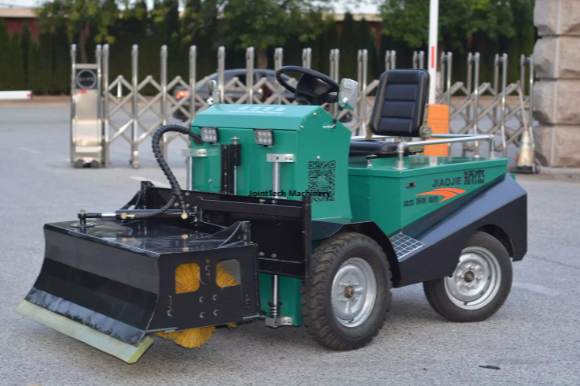
The core difference between a feed sweeper and a feed pusher is their purpose. Feed sweepers are designed to clean and organize, whereas feed pushers focus on feeding efficiency. While feed sweepers move debris and feed, they do not offer the same level of precision in feed distribution. Feed pushers, on the other hand, ensure feed is consistently available to livestock, optimizing feeding and reducing waste.
In terms of efficiency, feed pushers outperform sweepers in terms of feed management, as they keep the feed accessible to animals at all times, improving feed conversion rates and animal productivity. This tool can be operated manually, ensuring animals always have fresh feed ready to consume.
Feed pushers are generally easier to use and require less intervention than feed sweepers. Once set up, feed pushers can be manually operated on a schedule, pushing feed to designated areas as needed. This flexibility allows farmers to control feeding times and ensure the animals always have fresh feed.
Feed sweepers, while also beneficial, require more frequent monitoring and adjustments to ensure the feed is being swept to the right areas. They also tend to be more labor-intensive in terms of operation and maintenance. Feed sweepers may require manual intervention, especially on larger farms or in cases where the system is not fully automated.
Feed pushers typically have a higher upfront cost than feed sweepers due to their advanced features and efficiency in feed distribution. However, they provide a better return on investment (ROI) in the long term by reducing labor costs and feed waste. Feed sweepers, while less expensive initially, may lead to higher ongoing costs due to their labor-intensive nature. Farmers should assess the potential ROI based on their farm size, labor requirements, and the amount of feed used.
| Feature | Feed Sweeper | Feed Pusher |
|---|---|---|
| Primary Purpose | Cleaning and organizing feed | Feeding efficiency and waste reduction |
| Operation Complexity | Requires manual intervention | Manual operation, minimal intervention |
| Feed Distribution | Ensures clean barn environment | Consistent feed availability |
| Efficiency | Good for cleanliness but less efficient in feeding | Highly efficient in feed distribution |
| Initial Investment | Lower cost | Higher cost, better ROI in the long run |
Feed pushers help ensure that feed remains accessible to livestock throughout the day, reducing waste and increasing the overall efficiency of feed consumption. This consistent supply of feed allows animals to eat at their own pace, improving their overall nutrition and health. By preventing feed from accumulating in one spot and becoming inaccessible, feed pushers ensure that all animals can feed regularly and efficiently.
Feed pushers significantly reduce the need for manual labor, as they help distribute feed consistently to the animals. This not only saves farmers time but also allows them to allocate resources to other tasks that require more attention. Over time, the use of feed pushers can result in substantial labor savings, particularly on larger farms or those with high feed turnover.
Feed pushers can be integrated with other farm automation systems, such as feeding controllers and environmental monitoring tools. This integration ensures that the entire feeding process runs smoothly and efficiently, from feed preparation to distribution. By automating this process, farmers can achieve better data tracking and control, ultimately improving farm productivity and efficiency.
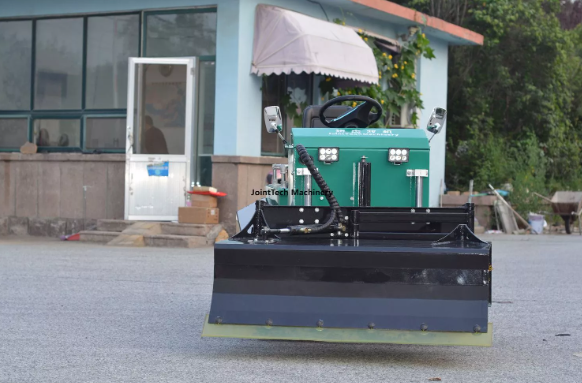
The scale of your farm and the number of animals you manage plays a significant role in determining which tool is best. Smaller farms with fewer animals might benefit more from a feed sweeper, while larger farms with high feed demands and automation requirements will see greater benefits from a feed pusher.
Consider the type of feed you use and how it is distributed. For farms that use large quantities of feed or have specialized feeding systems, feed pushers are a more efficient solution. If your farm requires consistent feed access for multiple animals at once, a feed pusher will ensure better results.
While feed pushers come with a higher upfront cost, they offer greater long-term savings due to reduced labor and feed waste. Feed sweepers are less expensive initially but may result in higher ongoing costs for manual labor and maintenance.
Large dairy farms have seen remarkable improvements in feed efficiency after implementing feed pushers. These systems ensure that cows have access to fresh feed at all times, boosting milk production and reducing feed waste. By optimizing the feeding process, dairy farms can enhance overall productivity and profitability.
Even smaller farms have benefited from feed pushers, as the use of this tool allows for better control over feed distribution. This is especially useful for farms with specialized operations or limited labor resources. The efficiency of feed pushers helps reduce operating costs and improves feed management.
Farmers who have adopted feed pushers report significant improvements in feed efficiency, reduced labor costs, and a more streamlined operation. The key takeaway is that feed pushers are a valuable investment for farms looking to improve productivity and sustainability. By ensuring animals always have access to fresh feed, feed pushers help boost overall farm performance.
In conclusion, feed pushers offer superior efficiency in feed distribution, labor savings, and long-term cost benefits compared to feed sweepers. While feed sweepers are excellent for cleaning and organizing barns, feed pushers ensure a continuous and efficient feed supply for livestock. Farmers looking to improve their feeding operations should consider investing in feed pushers for optimal efficiency. Qingdao JointTech Machinery lnc. offers high-quality feed pushers that enhance farm productivity and streamline operations, providing long-lasting value to farms of all sizes.
A: A feed pusher is a tool designed to push feed toward livestock, ensuring a continuous and efficient feed supply. It reduces waste and labor by distributing feed effectively.
A: While a feed sweeper is used for cleaning barns, a feed pusher focuses on maintaining a consistent feed supply for animals, improving feeding efficiency and reducing feed waste.
A: Feed pushers ensure animals have constant access to fresh feed, saving labor and increasing farm productivity by optimizing feed distribution and reducing waste.
A: Feed pushers are ideal for medium to large farms, particularly dairy farms, that require continuous feed distribution and seek to reduce manual labor and feed waste.
A: While feed pushers typically have a higher upfront cost, they provide long-term savings through reduced labor costs and improved feed efficiency, offering a good return on investment.


