Contents
Introduction
A Cow Bedding Spreader is an essential piece of equipment used on many dairy farms to ensure that cows have a comfortable, clean environment. However, despite its importance in maintaining proper bedding, there are inherent risks involved in operating such machinery. Whether it is the risk of injury from moving parts or exposure to hazardous bedding materials, understanding and implementing proper safety precautions is essential. In this article, we will delve into the safety measures that every operator must be aware of to prevent accidents, enhance the machine's performance, and create a safe working environment.
Understanding the Cow Bedding Spreader: An Overview
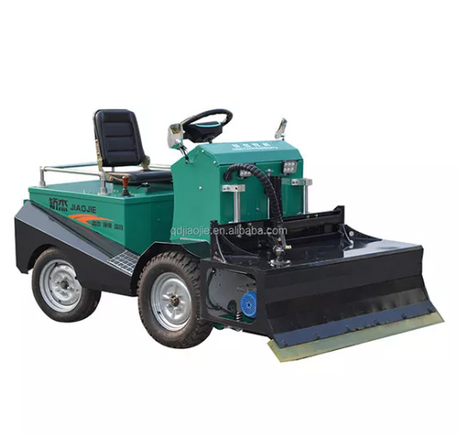
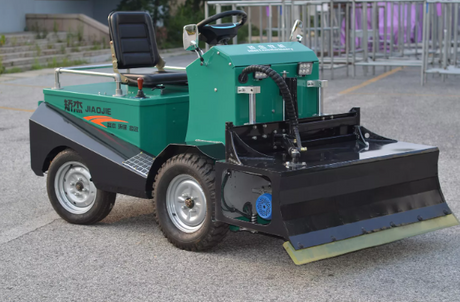
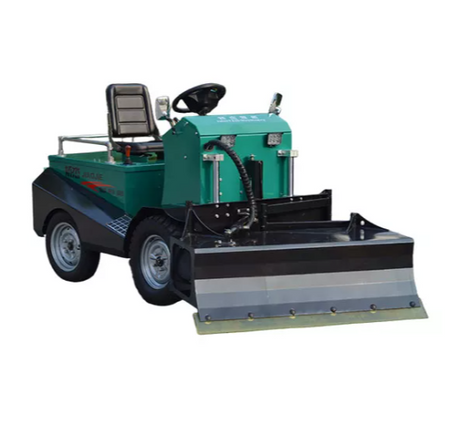
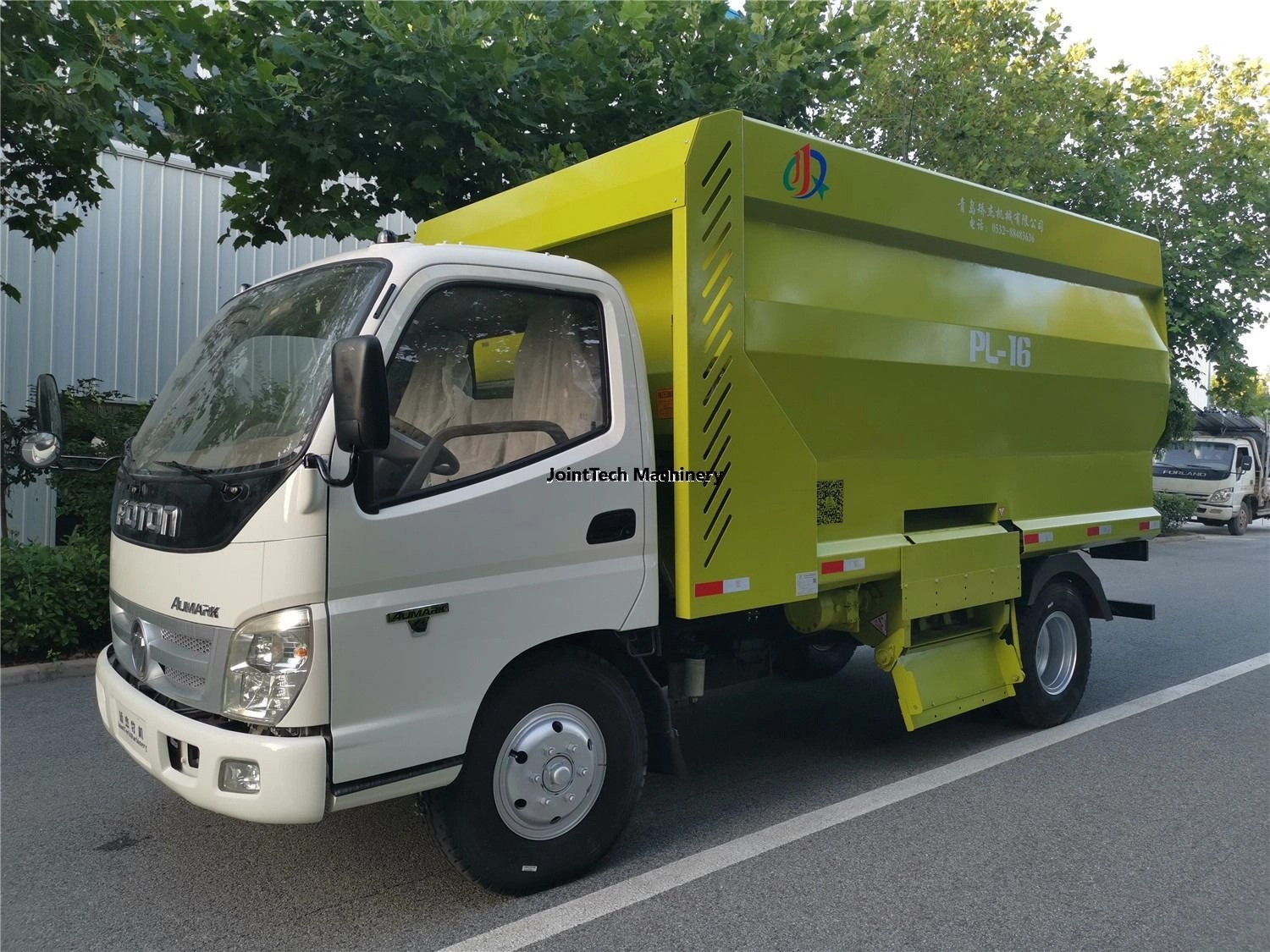
A Cow Bedding Spreader is designed to efficiently distribute materials like straw, sawdust, or other bedding materials across the floor of a cow barn or stall. It is typically mounted on a tractor and used in large-scale agricultural operations. The primary goal of the Cow Bedding Spreader is to provide a thick, comfortable layer of bedding for cows, ensuring that they have a clean and dry place to rest. While the machine can significantly improve the efficiency of bedding tasks, it can also pose risks if not used correctly.
Key Safety Precautions When Using a Cow Bedding Spreader
To ensure the safety of everyone involved, proper training, regular maintenance, and adherence to safety guidelines are crucial when using a Cow Bedding Spreader. Below are some of the most important safety precautions that should be followed.
Proper Operator Training
Before using a Cow Bedding Spreader, operators must undergo comprehensive training. This ensures they understand the machinery's operation, its potential hazards, and the correct procedures for both normal and emergency situations. Proper training reduces the likelihood of errors and accidents. Key components of training should include:
Machine operation basics: Understanding how to operate the Cow Bedding Spreader, including adjustments for different bedding materials and conditions.
Identifying hazards: Recognizing potential risks such as moving parts, entanglement hazards, and exposure to harmful dust.
Emergency protocols: Knowing what to do in case of a malfunction, fire, or medical emergency.
A well-trained operator is the first line of defense in preventing accidents and ensuring smooth operations.
Routine Maintenance and Inspections
Routine maintenance is critical to ensuring the Cow Bedding Spreader functions safely and efficiently. Operators should regularly check the following components:
Hoses and hydraulic systems: Ensure that all hoses are intact, without leaks, and properly connected to prevent hydraulic failure during operation.
Moving parts: Inspect belts, gears, and chains for wear and tear. Lubrication of these parts can prevent friction-related breakdowns.
Safety shields: Ensure that safety shields or guards covering moving parts are securely in place.
Brakes and tires: Proper tire pressure and functional brakes are essential, especially when working on uneven surfaces.
Creating a maintenance schedule and sticking to it can significantly reduce the likelihood of machinery failure or accidents due to worn-out parts.
Safe Handling of Bedding Materials
The bedding materials themselves can also pose safety risks, such as dust inhalation or the development of hazardous conditions due to improper handling. Operators should follow these guidelines when working with bedding materials:
Dust control: Some bedding materials, like straw or sawdust, can generate a lot of dust, which can cause respiratory issues. Using a dust-control system on the bedding spreader or wearing a protective face mask is recommended.
Proper storage: Bedding materials should be stored in dry, ventilated areas to prevent mold growth or contamination, which can cause health problems for both cows and humans.
Handling with care: Avoid spilling bedding materials near the equipment’s moving parts, as it may cause blockages or interfere with machine functionality.
Proper handling of bedding materials is essential for ensuring the safety of both the operator and the cows.
The Role of Personal Protective Equipment (PPE)
When operating heavy machinery such as a Cow Bedding Spreader, the use of Personal Protective Equipment (PPE) is essential. PPE is designed to reduce the risk of injury in case of an accident. Operators should always wear the following:
Protective gloves: To prevent hand injuries while handling bedding materials or adjusting the machine.
Safety boots: To protect the feet from falling objects or sharp edges.
Hearing protection: Machinery like bedding spreaders can be noisy, and prolonged exposure can cause hearing damage.
Eye protection: To shield against dust, flying debris, or any accidental splashes of liquids during maintenance.
PPE ensures that the operator has a layer of protection against common workplace injuries.
Common Hazards Associated with Cow Bedding Spreaders
While Cow Bedding Spreaders are designed for efficiency, they also come with potential risks. Recognizing and addressing these hazards before starting the machine is crucial for a safe operation.
Mechanical Hazards
Mechanical hazards are one of the most significant concerns when using a Cow Bedding Spreader. These include moving parts, such as rotating shafts, belts, and augers, which can cause serious injury if not handled properly. Operators should take the following precautions:
Turn off the machine: Before making any adjustments or cleaning, ensure the machine is completely powered off and the key is removed.
Avoid reaching into moving parts: Never try to clear blockages or adjust the machine while it is in motion.
Use emergency stop functions: Familiarize yourself with the machine’s emergency shut-off procedures.
Regular inspection of mechanical components can also help prevent accidents caused by malfunctioning parts.
Environmental Hazards
Environmental factors, such as wet or slippery floors, extreme weather, or poorly lit areas, can also contribute to accidents. The operator should take the following precautions:
Check weather conditions: Avoid using the bedding spreader in high winds or heavy rain, as these conditions can make handling the machinery difficult.
Proper lighting: Ensure that the area is well-lit, especially if you are working in low-light conditions or at night.
Dry surfaces: Wet, slippery surfaces can increase the risk of slipping while operating the machinery. Always ensure the area is dry before starting work.
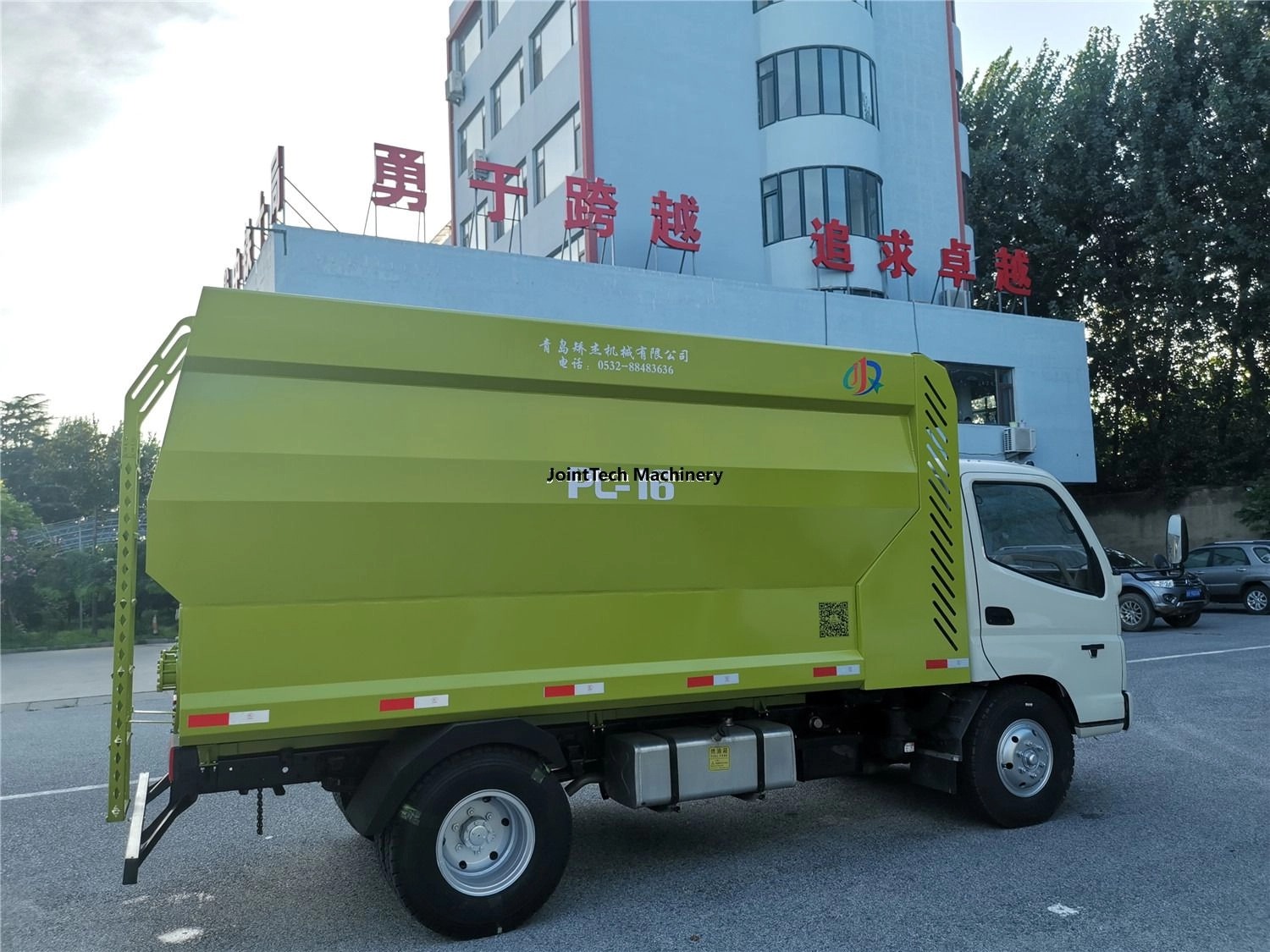
How to Ensure Safety While Operating in Various Conditions
While using a Cow Bedding Spreader in standard conditions is challenging, it becomes even more critical when environmental conditions are less than ideal. Here are some considerations to keep in mind when working in different scenarios.
Operating on Uneven Ground
Operating on uneven terrain presents the risk of tipping or losing control of the bedding spreader. To mitigate this risk:
Use extra caution: Slow down and adjust the speed when working on uneven ground.
Check for obstacles: Inspect the area for rocks, logs, or other obstacles that could interfere with the spreader’s operation.
Ensure proper tire pressure: Over- or under-inflated tires can affect the stability of the machine.
Using the Spreader in Extreme Weather
Extreme weather conditions, like snow or heavy rain, can make operating a Cow Bedding Spreader more dangerous. These tips can help:
Avoid operating in extreme cold: Freezing temperatures can cause mechanical issues, such as stiff hydraulic systems or frozen parts.
Work with caution in high winds: High winds can affect the spreading of bedding materials and make handling the machine more difficult.
The Importance of Emergency Protocols
Having a clear set of emergency protocols is essential when using a Cow Bedding Spreader. Operators should always know how to handle situations like equipment malfunction, fire, or injury. A few tips include:
First aid kits: Ensure a first aid kit is always available and stocked with necessary supplies.
Emergency contacts: Keep a list of emergency contacts, including local hospitals and farm safety officers, in an easily accessible location.
Training drills: Regularly conduct emergency drills to prepare for potential accidents or equipment failures.
Conclusion
Operating a Cow Bedding Spreader comes with inherent risks, but these can be minimized with proper training, routine maintenance, and the use of personal protective equipment. Understanding the potential hazards—whether mechanical, environmental, or related to the bedding materials themselves—can help operators take proactive steps to ensure their safety. By following the safety precautions outlined in this article, operators can significantly reduce the likelihood of accidents and maintain a safe working environment for both themselves and the livestock.
FAQ
1. What is the most common injury when using a Cow Bedding Spreader?
The most common injuries are typically caused by mechanical hazards, such as entanglement in moving parts, or slips and falls on wet or uneven surfaces.
2. How often should I inspect my Cow Bedding Spreader for safety?
It is recommended to perform a thorough inspection before each use, with a more detailed maintenance check every 50 hours of operation.
3. Is it necessary to wear PPE while using the Cow Bedding Spreader?
Yes, wearing appropriate PPE such as gloves, boots, and eye protection is crucial for safety during operation.
4. What should I do if the Cow Bedding Spreader breaks down?
If the machine breaks down, turn it off immediately, secure the area, and follow the emergency shut-off protocol. Contact maintenance staff or a qualified mechanic for repairs.