

Views: 0 Author: Site Editor Publish Time: 2026-07-01 Origin: Site


Investing in dairy farm machinery is a capital-intensive process. Poor specification directly impacts herd health. It also increases labor costs and threatens operational compliance. Upgrading an aging parlor requires careful planning. Establishing a new commercial operation presents similar challenges. You must look beyond basic feature lists. We recommend evaluating scalability, utility requirements, and dealer support. Selecting improper infrastructure creates severe bottlenecks. These mistakes compromise milk quality. They also inflate your daily workload. This guide categorizes the core systems necessary for modern operations. We offer a practical framework for evaluation. You will discover which solutions best fit your herd size. We also align these choices to your specific business model. You will learn to navigate procurement confidently. We cover everything from advanced milking architectures to essential heavy machinery.
Evaluating dairy farm equipment requires balancing upfront capital expenditure (CapEx) against long-term labor savings and herd yield improvements.
Core infrastructure is divided into three critical revenue-impacting categories: milking/cooling systems, feeding/heavy machinery, and waste/hygiene management.
Small-scale operations and commercial enterprise farms require vastly different procurement strategies, particularly regarding processing components and automation levels.
Regulatory compliance and post-sale dealer support are equally as important as the mechanical specifications of the equipment itself.
Milking systems dictate your primary revenue generation. Throughput efficiency matters deeply here. Sanitation standards are equally critical. You must match your parlor design to your herd size. Labor availability also drives this choice. Exploring your options early prevents costly retrofits.
Rotary systems offer incredibly high throughput. Cows step onto a slowly rotating platform. Operators stand in one place. They attach milking clusters efficiently. This continuous flow maximizes daily yields. However, rotary systems require significant upfront capital. You need a large herd to justify this investment. They also demand vast barn space.
Parallel setups maximize space efficiency inside smaller barns. Cows stand side-by-side. They face away from the operator pit. You milk them from behind. This design fits perfectly into narrow buildings. Herringbone designs remain a reliable industry standard. Cows stand at an angle. Operators enjoy excellent udder access. It balances throughput and installation costs perfectly.
Automated Milking Systems serve as a powerful labor-reduction strategy. They milk cows automatically throughout the day. Cows approach the robotic box voluntarily. Lasers guide the teat cups into place. You drastically reduce your daily physical labor. However, you must plan for transition periods. Cows require training to use these boxes. Milk yields often drop temporarily during this phase. AMS units also demand strict maintenance contracts. You must calibrate sensors constantly. Moving parts require frequent lubrication.
Milk cooling ensures product viability. Regulatory timelines enforce rapid temperature drops. You must chill milk immediately after harvest. These rules inhibit bacterial growth effectively. You must size bulk tanks correctly. Base your capacity on peak seasonal yields. Always factor in your standard collection schedules. If trucks arrive every other day, size the tank accordingly.
Plate coolers offer an excellent pre-cooling stage. Milk flows through metal plates. Cold well water flows in the opposite direction. Heat transfers rapidly. This process reduces the energy load on your main bulk tank. It saves substantial electricity over time.
Clean-In-Place systems mitigate dangerous contamination risks. Automated CIP systems maintain optimal Somatic Cell Count (SCC) standards. They sanitize pipelines automatically between milkings. This process flushes residual fats. It applies acidic and alkaline detergents precisely. You avoid contaminated batches. It protects your premium milk bonuses. Operators must test water hardness regularly. Hard water decreases chemical efficacy.
Inspect rubber inflations and milk hoses every 1,200 milkings.
Calibrate pulsation ratios monthly to prevent teat end damage.
Record bulk tank cooling speeds daily to detect compressor degradation early.
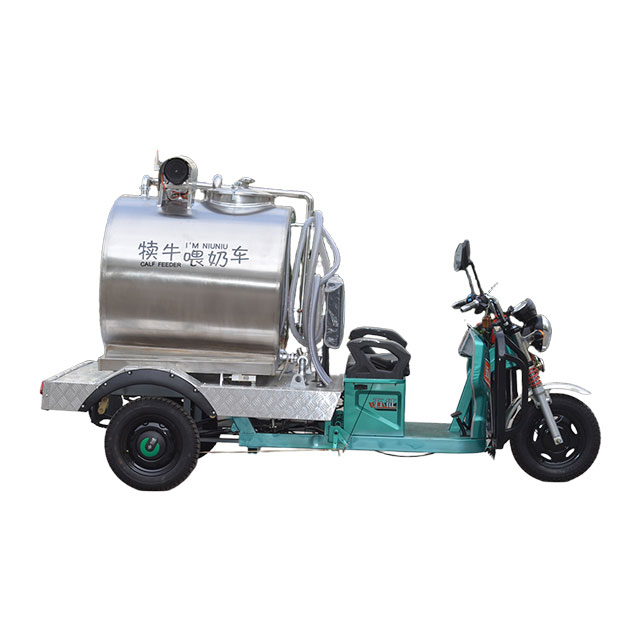
Nutritional management demands operational reliability. You rely on heavy machinery every single day. Feeding systems represent the backbone of daily logistics. Operational failures here directly depress milk yields.
Total Mixed Ration mixers directly impact milk production. Precise chop length matters immensely. Consistent mixing correlates to higher dry matter intake. It prevents cows from sorting their feed. This uniformity improves milk fat percentages. Evaluate trailed versus self-propelled units carefully. Trailed units cost less upfront. They attach to your existing tractors. Self-propelled units offer unmatched maneuverability. They feature integrated loading arms. Check your existing tractor horsepower before buying trailed units. Measure your barn aisle widths carefully. Oversized mixers cause daily logistical headaches.
Tractors and loaders handle endless daily tasks. You need sufficient lift capacities. Silage management requires robust hydraulics. Moving heavy bales tests your front-end loaders. Manure handling demands durable components. Proper integration streamlines your workflow. You should match bucket sizes to your mixer wagon height. Telehandlers provide excellent reach for high bunker silos. High-quality Dairy Farm Equipment ensures these logistics run smoothly without daily breakdowns.
Automated calf feeders scale effortlessly. RFID-based automated feeding delivers precision nutrition. Calves wear electronic ear tags. The machine identifies each calf instantly. It mixes warm milk replacer on demand. We see high returns on these investments. They allow early illness detection. A drop in drinking speed alerts you immediately. You avoid adding extra headcount to your calf barn. Calves grow faster and healthier.
Assess your current tractor fleet capabilities and PTO output.
Measure turning radiuses in all feeding alleys.
Install robust Wi-Fi networks across the barn for data syncing.
Calibrate TMR scales weekly for precise ration formulation.
Waste management represents a heavily regulated area. It requires constant maintenance. Environmental agencies monitor runoff strictly. You must design foolproof handling systems. Clean barns directly improve udder health.
You must evaluate manure handling systems carefully. Alley scrapers experience significant mechanical wear. Cables stretch over time. Chains require frequent tension adjustments. However, they keep alleys clean automatically. Flush systems use massive volumes of water. They clean alleys incredibly fast. A sudden wave washes everything away. You must weigh these realities. Evaluate your local water table limits. Flush systems demand large storage lagoons. Scrapers work better in freezing climates.
Separators and anaerobic digesters solve major business problems. They transition waste from a disposal liability. You create a recycled bedding asset. Screw press separators squeeze liquid from manure. The remaining dry solids make excellent bedding. Sometimes, you generate renewable energy. Anaerobic digesters capture methane gas. They burn this gas to generate electricity. CapEx justification for digesters requires specific scale. You typically need over 500 head. Local environmental subsidies often make this viable. Always consult regional energy boards first.
Cow comfort directly influences production. You need reliable freestalls and mechanical brushes. Ergonomic stalls improve resting times. Cows ruminate more when lying down comfortably. Proper stall dimensions prevent injuries. Swinging cow brushes remove parasites. They stimulate blood circulation. Proper ventilation prevents heat stress. We tie climate control to sustained summer yields. Exhaust fans pull fresh air through the barn. High-pressure sprinklers cool cows efficiently. They reduce lameness significantly. Happy cows simply produce more milk.
Installing alley scrapers on uneven concrete floors.
Ignoring cable fraying until the scraper breaks mid-cycle.
Positioning ventilation fans too high above the resting areas.
You must segment solutions based on your business model. Avoid over-purchasing unnecessary capacity. Prevent under-equipping your facility. Right-sizing ensures operational efficiency.
Micro-dairies focus on direct-to-consumer models. You should shortlist mobile milking units. Modular pasteurizers work exceptionally well here. Small-batch processing units save valuable floor space. Emphasize multi-functional designs. You might process cheese, yogurt, and fluid milk in one room. Batch pasteurizers offer great flexibility. They require less complex piping. You can manage everything with a small family team.
Mid-to-large commercial operations require different strategies. Prioritize high-throughput machinery. You need integrated software ecosystems. Herd management software must communicate with the parlor. Heavy-duty logistics equipment must handle continuous duty cycles. Operations run 24 hours a day. Breakdowns cause immediate revenue loss. Redundancy becomes critical. You often need backup vacuum pumps. Twin bulk tanks ensure continuous milk collection.
Requirement Category | Small-Scale / Micro-Dairy | Commercial / Enterprise Farm |
|---|---|---|
Milking Architecture | Mobile Units or Small Herringbone | Large Parallel or High-Capacity Rotary |
Milk Processing | Batch Pasteurizers (Multi-use) | Continuous Flow / HTST Pasteurizers |
Feeding Logistics | Trailed TMR & Standard Tractor | Self-Propelled TMR & Dedicated Loaders |
Automation Level | Manual attachment, basic CIP | Robotic AMS, RFID tracking, Auto-sort |
Always audit your infrastructure constraints before purchasing. Check your three-phase power availability. Many modern motors require three-phase power. Upgrading utility lines costs thousands. Verify your water well capacities. Flush systems and CIP cycles consume immense water volumes. Confirm the structural load limits of your current buildings. Roof beams must support heavy ventilation fans.
Buyers must remain skeptical. You need a robust framework to vet manufacturers. Implementation risks often outweigh mechanical flaws. Integrating sophisticated Dairy Farm Equipment requires careful planning.
Upfront costs represent only a fraction of your investment. You must track ongoing maintenance variables. Factor in strict preventive maintenance schedules. Calculate daily chemical usage for your CIP systems. Track expected energy consumption closely. Compressors run constantly during summer. Budget for replacement rubber components. Milk hoses degrade over time. Oil filters on vacuum pumps require quarterly replacement.
Your dealer network is absolutely crucial. An advanced robotic milker becomes a massive liability if it breaks down. Imagine your nearest certified technician being four hours away. You must evaluate local parts availability. Demand a strict Service Level Agreement (SLA). Response times matter immensely. Cows must be milked twice a day. You cannot wait 48 hours for a replacement circuit board. Choose dealers who stock heavy wear items locally. Ask about emergency weekend support rates.
Complex machinery requires rigorous staff retraining. Implementing new technology changes daily routines. Standard Operating Procedures (SOPs) prevent costly human errors. Factor vendor-provided training programs into your final decision. Your staff must understand every new machine perfectly. They need hands-on practice. Poorly trained staff will damage expensive equipment. They might apply the wrong CIP chemicals. They might miscalibrate the TMR scales. Thorough training protects your investment.
Selecting appropriate machinery represents a delicate balancing act. You address current bottlenecks while facilitating future growth. Modernizing your operation requires a systematic approach. Evaluate your parlor design, feeding logistics, and waste management cohesively.
Audit your current utility infrastructure thoroughly before contacting vendors.
Calculate your specific labor constraints accurately to justify automation upgrades.
Request detailed operational maintenance projections from multiple regional dealers.
Review chemical and consumable costs carefully before shortlisting any specific brand.
Prioritize strong local dealer support over slightly cheaper upfront machinery prices.
A: The milking system and bulk cooling tank are the most critical. They directly dictate revenue capture. They ensure product viability and maintain regulatory compliance. If your milk cannot be harvested or cooled properly, your entire operation halts immediately.
A: Costs scale drastically based on herd size and automation levels. Equipping a farm varies widely if you choose a traditional parlor versus robotic milkers. Adding on-site processing equipment also changes budgets significantly. You must calculate costs based on your specific daily yield goals.
A: Used heavy machinery like tractors or basic mixers can offer great returns. However, used milking and cooling systems present higher risks. Strict hygiene requirements and shorter technology lifecycles make compliance difficult. Securing replacement parts for older electronic milk meters is often challenging.
A: Base calculations on maximum daily production during peak lactation periods. Multiply this peak volume by your milk pickup frequency. If the truck arrives every other day, size the tank for a minimum of four to five milkings to ensure adequate buffer capacity.


