Always Committed To
Making Better Machine
Precision-Engineered Livestock Solutions for Global Farms. High-Efficiency Mixers, Collectors & Feeders Designed to Maximize Your Productivity.

 English English
Views: 0 Author: Site Editor Publish Time: 2026-04-27 Origin: Site


Livestock hydration dictates your farm's bottom line. Inadequate water intake instantly suppresses feed consumption. It stunts weight gain, halts milk production, and compromises overall herd immunity. You face daily operational drains when hydration systems fail. Constantly repairing cracked tanks, breaking morning ice, or scrubbing toxic algae blooms exhausts your labor budget. Stop viewing this as a quick hardware run.
Selecting the right Drinking Water Trough requires strategic planning. You are making a vital infrastructure investment. You must balance complex animal behavioral needs, precise spatial engineering, and long-term maintenance costs. A resilient watering system optimizes animal health and eliminates daily farm friction. Keep reading to master flow rates, evaluate materials, and choose the perfect setup for your specific herd.
Natural water sources (dams/ponds) limit intake; dedicated troughs increase feed conversion and safeguard against pathogens.
Sizing must account for "peak flow" behavior, not just daily averages—cattle drink up to 40% of their daily needs in single, concentrated sessions.
Material selection (Poly vs. Steel vs. Concrete) defines your Total Cost of Ownership (TCO) through varying lifespans, cleaning labor, and thermal properties.
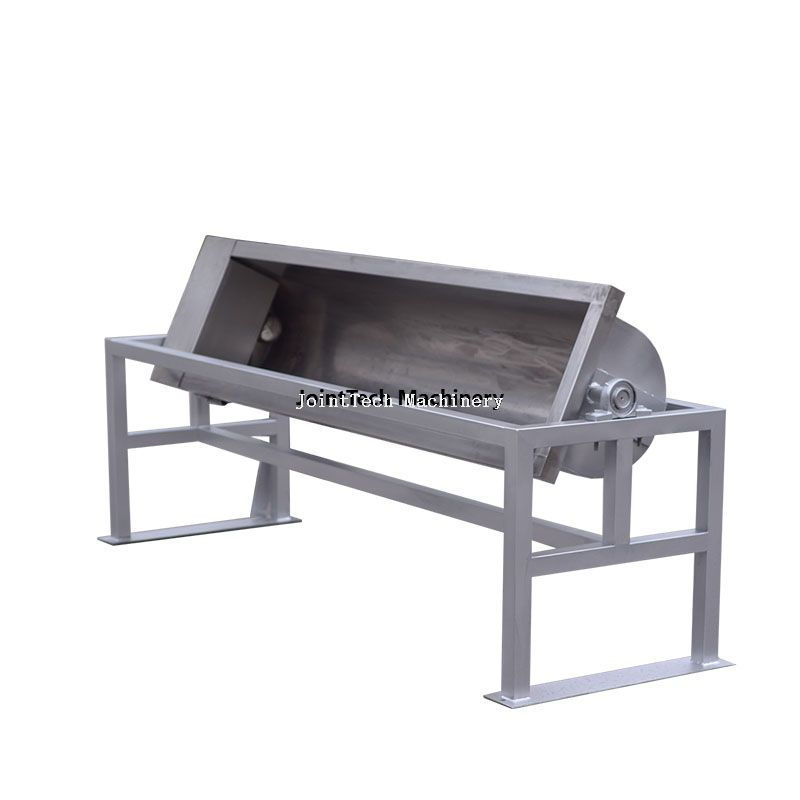
Trough depth and mechanics must match the species—from shallow lips for poultry to avoid drowning, to a **rotating type drinking trough** for rapid dairy shed sanitization.
Strategic placement and flow-rate math are more critical to preventing herd aggression than raw tank volume.
Many traditional farmers assume natural dams or ponds provide sufficient livestock hydration. This assumption costs them thousands of dollars in lost yield. Ponds are highly susceptible to agricultural runoff. They collect fecal contamination and promote rapid algae blooms. When animals drink from these stagnant sources, they face significant pathogen exposure.
Beyond health risks, we must look at behavioral reality. Livestock instinctively hesitate when approaching large, muddy water bodies. They dislike sinking into soft banks. Because they feel vulnerable, they drink less. Conversely, clean and accessible trough water dramatically increases their daily intake. Higher water intake directly drives higher feed consumption. This synergy guarantees faster weight gain and improved herd vitality.
To evaluate your hydration infrastructure, you must define clear success criteria. A successful setup achieves three specific goals. First, it eliminates dominant-animal blocking. Second, it requires minimal daily cleaning labor. Third, it remains freeze-resistant during harsh winters. Achieving these goals transforms your watering system from a daily chore into a profit-driving asset.
Relying solely on seasonal creeks which dry up during peak summer heat.
Ignoring water quality tests. You should test quarterly for pH, hardness, and nitrates.
Failing to provide multiple access points, allowing aggressive animals to guard the water.
Farmers often fall into the "peak demand" trap. Livestock do not drink evenly throughout the day. Entire herds usually hit the water source simultaneously. This herd behavior triggers immediately after feeding or during severe heat stress. If your system only calculates average daily use, it will fail during these critical windows.
You must understand baseline daily needs to engineer a proper solution. Animal requirements fluctuate based on temperature, lactation, and species. Let us examine the data.
Livestock Species | Baseline Daily Need | Key Driving Factors |
|---|---|---|
Beef Cattle | ~12-20 gallons/day | Body weight and ambient temperature. |
Dairy Cows | 30-45+ gallons/day | High lactation demands (milk is 87% water). |
Horses | 10-15 gallons/day | Activity level and diet moisture content. |
Sheep & Goats | 2-3 gallons/day | Dry forage consumption and wool growth. |
Your plumbing flow rate dictates your required tank size. We call this the Flow Rate Formula. If your plumbing flow rate is low (under 10 liters per minute), your trough must be massive. It must hold the entire herd's demand to act as a buffer. If your flow rate is high, a much smaller trough suffices because it refills instantly as animals drink.
Do not ignore spatial perimeter engineering. Volume alone does not prevent herd aggression. You must provide 0.7 to 1 meter of trough perimeter space per head of cattle. This spacing allows multiple animals to drink simultaneously. It prevents dominant animals from monopolizing the source and stressing younger livestock.
Selecting the right material dictates your long-term success. The market primarily offers three distinct material choices. You must evaluate them based on your climate, labor availability, and budget.
Polyethylene (Plastic): Poly tanks offer a 15-20 year lifespan. They are highly UV-resistant and remain flexible upon impact. If a bull rams a poly tank, it usually bounces back. They are lighter to install and much easier to clean. More importantly, poly provides excellent thermal insulation, which delays winter freezing.
Galvanized Steel: Steel tanks provide a 15-30 year lifespan. They offer a classic farm aesthetic and high structural durability. However, they remain vulnerable to rust and chemical corrosion. Chlorine and hard water minerals degrade them quickly. Steel also absorbs extreme temperatures, making the water too hot in summer or freezing it rapidly in winter.
Concrete: Concrete troughs boast a 20-50 year lifespan. They provide excellent cooling mass for hot climates. Yet, they are incredibly heavy and require heavy machinery to install. Concrete is prone to cracking during harsh freeze-thaw cycles. Furthermore, the porous surface degrades over time. Bovine saliva and feed enzymes eat away at the concrete, creating rough spots where bacteria hide.
Do not base your decision on the upfront retail price. True cost encompasses the entire lifecycle. Your Total Cost of Ownership (TCO) equals the upfront purchase plus plumbing integration. You must also add the labor costs for cleaning frequency. Factor in winter heating costs and the expected replacement cycle.
Material Chart | Initial Cost | Insulation Value | Cleaning Labor | Replacement Cycle |
|---|---|---|---|---|
Polyethylene | Medium | High | Low (Smooth surface) | 15 - 20 Years |
Galvanized Steel | Low | Poor | Medium (Rust concerns) | 15 - 30 Years |
Concrete | High | Medium | High (Porous surface) | 20 - 50 Years |
Different species require entirely different drinking architectures. A universal trough simply does not exist. You must match the tank depth and mechanics to the specific animals you raise.
Dairy and beef cattle require heavy-duty setups. They consume massive volumes of water quickly. For controlled indoor environments, we highly recommend a rotating type drinking trough. These tip tanks revolutionize shed management. They allow workers to instantly dump dirty water and flush away biofilm or feed debris. A rotating system drastically cuts maintenance labor. You clean the entire unit in seconds instead of scrubbing it manually for an hour.
Horses need moderate depth troughs but require strict management. We must highlight a critical animal-welfare warning here. Horses require a 30-90 minute cooldown period post-exertion before accessing full water. Allowing a hot, overworked horse to gorge on cold water can cause fatal colic or founder. Always monitor their intake after heavy riding or drafting.
Deep cattle tanks present severe hazards for smaller livestock. Sheep, goats, and poultry can easily fall into steep troughs. Once trapped, they quickly drown. You must use shallow depth tanks for these species. Alternatively, you can install tiered access points or ramps inside larger tanks to ensure young offspring can escape safely.
Even the best tank fails if you place it poorly. Topographical placement directly impacts pasture utilization and water quality. Distance matters immensely. Keep troughs within 400 meters for intensive grazing systems. You can adjust this up to 1600 meters for flat, extensive range operations. If animals walk too far, they burn calories they should convert to weight.
Keep your water sources away from natural shade or large trees. Trees drop leaves directly into the water, causing rapid contamination and algae growth. Furthermore, placing water away from shade encourages animals to rotate through the pasture rather than camping in one spot.
Never place a large tank directly on soft, uneven dirt. You must mandate compacted, level ground for your installation foundation. Build a sturdy gravel or sand pad. Uneven weight distribution from thousands of gallons of water easily cracks poly tanks. It also causes rigid concrete seams to split and leak.
Winterization is non-negotiable in colder climates. You must detail your climate defenses early. Stock tank de-icers and submersible heaters prevent total freezing. Always match the heater wattage strictly to your water volume. An underpowered heater wastes electricity without preventing ice. To reduce energy draw, build physical windbreaks around the tank. Blocking bitter winter winds keeps the water liquid using significantly less power.
You now understand the engineering, materials, and behavioral science. It is time to make a structured purchasing decision. Follow this evaluation checklist to eliminate guesswork.
Confirm daily volume plus peak hour surge: Calculate your total herd demand. Multiply it by the 40% surge factor for post-feeding periods.
Audit water line flow rate: Test your pipes. Measure exactly how many gallons per minute your pump delivers to the site.
Match material to climate: Choose poly for heavy freeze zones. Choose concrete or heavy steel if you face extreme UV exposure but mild winters.
Select form factor based on species safety: Ensure depth prevents drowning for small animals. Invest in rotating systems for intensive dairy sheds.
Your next-step action is simple. Do not buy anything today. Walk outside and map your paddock or barn plumbing lines. Measure your existing flow rates with a bucket and a stopwatch. Only request vendor quotes once you hold this exact data.
Selecting the right trough requires careful calculation. You must align plumbing flow rates, material science, and animal behavior. Doing so eliminates daily farm friction and boosts overall profitability. Clean, accessible hydration maximizes feed conversion and keeps veterinary bills low.
Look strictly past the initial retail price tag. Focus heavily on your Total Cost of Ownership. A well-engineered trough reduces labor hours, cuts energy waste, and prevents injuries over a 15-year horizon. Invest in robust infrastructure today, and your herd will reward you with consistent, healthy yields.
A: You should clean water troughs frequently to prevent toxic biofilm and algae buildup. During peak summer heat, poly tanks generally need cleaning every three days. In cooler winter months, a weekly scrub suffices. Regular cleaning encourages maximum water intake and prevents herd disease.
A: You must provide 0.7 to 1 meter of perimeter space per animal. Typically, 10-15% of a herd will attempt to drink simultaneously. Ensure your tank's shape and total circumference can accommodate this simultaneous surge without causing dominant animals to block smaller ones.
A: A rotating type drinking trough offers massive ergonomic benefits. The "tip-to-clean" mechanics allow farm workers to instantly flip the tank, dumping dirty water and feed debris in seconds. This saves countless labor hours in dairy or feedlot operations and uses less flush water.
A: To prevent freezing off-grid, utilize heavy external insulation and build windbreaks. You can also partially bury the tank in the earth to leverage geothermal heat. Installing continuous flow valves keeps water moving constantly, making it much harder for solid ice to form.


