

Views: 0 Author: Site Editor Publish Time: 2026-09-12 Origin: Site


The physical intersection where feed transfers from transport to farm storage represents a severe vulnerability in agricultural operations. This brief window exposes biosecurity, worker safety, and nutritional integrity to high risks. Misaligned receiving infrastructure creates heavy operational and financial burdens. Poorly designed unloading zones lead to driver injuries, cross-contamination between feed batches, regulatory fines, and costly delays during the transfer process. When equipment fails to match site capabilities, operations suffer immediate setbacks.
Solving these challenges requires a standardized evaluation framework. Site infrastructure must align perfectly with modern Feed Delivery Vehicle specifications. This alignment ensures strict compliance with the FDA, the Center for Veterinary Medicine (CVM), state-level agriculture departments, and industry safety partnerships. By standardizing the physical transfer point, farms protect their staff, secure feed quality, and maintain continuous operational flow.
Infrastructure Alignment: Safe delivery requires strict compatibility between the feed delivery vehicle's discharge mechanisms and the farm’s receiving silos, specifically regarding pipe accessibility and height.
Risk Mitigation: Standardized site inductions and clear vehicle routing are non-negotiable for protecting both farm staff and delivery drivers from physical hazards.
Regulatory Compliance: Adhering to established federal, state, and industry guidelines (e.g., Farm Safety Partnership, NGFA, FDA regulations) protects market fairness, public health, and farm liability.
Equipment Evaluation: Choosing between pneumatic and auger discharge systems requires analyzing trade-offs between feed pellet integrity, delivery speed, and site constraints.
Preventing cross-contamination during transit and unloading demands strict procedural control. Pathogens like Porcine Epidemic Diarrhea virus (PEDv) and Salmonella easily transfer between batches if transport compartments remain unverified. Operators must implement rigorous clean-out procedures between loads. You need verifiable wash tickets and visual inspection logs to confirm compartments hold no residual dust or pellets. When a Feed Delivery Vehicle arrives on site, the receiving team must match the manifest exactly to the designated silo. This prevents accidental mixing of medicated and non-medicated feeds. Mixing errors trigger severe regulatory penalties and harm livestock.
Feed degradation during transfer serves as another primary metric for success. Pellet breakdown turns high-quality feed into unusable dust. This happens when discharge pressure runs too high or mechanical augers operate at improper speeds. Acceptable degradation metrics usually cap pellet damage at less than two percent during the transfer phase. Site managers must monitor the fines accumulating in the receiving silo. If dust levels spike, you must recalibrate the discharge speed or adjust the connection angles to reduce friction. Using long-radius sweep elbows on fill pipes instead of hard 90-degree angles significantly reduces pellet shattering.
Working around large transport equipment introduces significant physical risks. Drivers frequently face hazards related to working at height, manual handling of heavy hoses, and navigating massive blind spots. Climbing ladders to connect pipes in wet or icy conditions causes severe fall injuries. Dragging pressurized hoses across uneven ground leads to musculoskeletal strain. Reversing large trucks into tight farm yards creates crush hazards for ground staff.
A zero-incident delivery environment relies on verifiable industry safety data and strict site rules. Success means no falls, no strains, and no vehicle-related collisions. You achieve this by eliminating the need for ladders entirely and enforcing strict pedestrian exclusion zones during unloading. Drivers must remain in designated safe areas while mechanical transfers occur.
Standardized training protocols bridge the gap between transport companies and farm staff. Utilizing official educational resources, such as FDA CVM instructional videos, ensures everyone shares a unified understanding of safe feed handling. Training must cover emergency shut-off procedures, spill containment, and proper coupling techniques.
Implement these specific safety mandates on site:
Establish a clear line of sight between the driver and the receiving manager before any equipment engages.
Enforce a strict lock-out/tag-out (LOTO) protocol for any mechanical augers connected to the receiving bin.
Require high-visibility clothing and ANSI-rated hard hats for all personnel within 50 feet of the unloading zone.
Install ground-level pressure gauges so drivers can monitor pneumatic flow without climbing the trailer.
Selecting the right discharge system depends heavily on your site layout and the type of feed you handle. Pneumatic vehicles use air blowers to push feed through hoses into the silo. Their primary advantage is reach and flexibility. A pneumatic truck can park up to 50 feet away and navigate hoses around obstacles. However, air-blown delivery has distinct drawbacks. High velocity damages fragile pellets and generates excess dust. Pneumatic systems also produce high noise levels. This noise stresses nearby livestock and requires hearing protection for operators.
Auger vehicles rely on mechanical screw systems to move feed from the truck to the silo. This method is significantly gentler on the feed. It preserves pellet integrity and reduces dust. Auger systems operate much more quietly than pneumatic blowers. The main limitation is maneuverability. An auger truck requires precise positioning directly adjacent to the receiving silo. The mechanical boom has a limited reach. The farm's access roads must accommodate tight maneuvering right up to the storage bins.
Feature | Pneumatic Discharge | Auger Discharge |
|---|---|---|
Feed Handling | Higher risk of pellet degradation | Gentle on pellets, low dust |
Reach & Flexibility | High (can use long hoses up to 50 ft) | Low (requires precise parking near silo) |
Noise Levels | High (requires hearing protection) | Low (minimal disturbance to livestock) |
Site Requirements | Flexible parking, requires strong silo venting | Requires clear, close access to silo base |
Unloading Speed | Fast, but depends on air pressure settings | Consistent, mechanical flow rate |
Modern transport requires multi-compartment vehicles to safely move distinct feed formulations in a single trip. Technical requirements for these compartments include sloped internal walls to ensure complete emptying. Sealed bulkheads prevent cross-contamination between adjacent bins. Each compartment must operate independently. This allows the driver to discharge a specific batch without disturbing the others. This design proves necessary when delivering starter feeds, finisher feeds, and medicated rations on the same route.
Digital traceability systems integrate directly with onboard weighing mechanisms. These systems verify delivery accuracy against the original purchase orders in real-time. As the Feed Delivery Vehicle unloads, load cells measure the exact weight transferred. This data syncs to a digital manifest, providing an immutable record of the transaction. This eliminates disputes over short loads and provides exact data for feed conversion ratio calculations. RFID tags on the silo fill pipes can sync with the truck's computer. If the driver connects to the wrong pipe, the system locks the discharge valve.
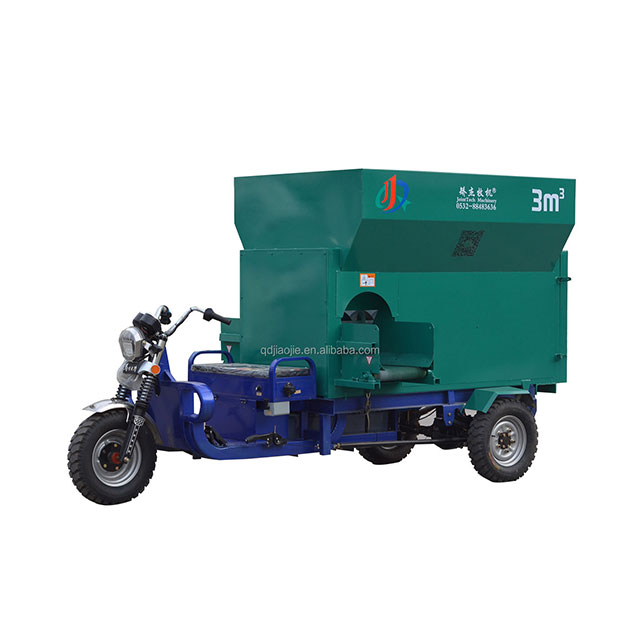
The physical connection point dictates the safety of the entire unloading process. Industry standards mandate that delivery pipe connections must sit between waist and head height. This specific placement eliminates the need for ladders. When pipes sit too high, drivers risk fatal falls. When they sit too low, drivers suffer back strain from lifting heavy, rigid hoses. Accessible pipes allow the driver to stand firmly on the ground, visually inspect the coupling, and secure the connection safely.
Connection integrity prevents dangerous blow-offs during pressurized delivery. Couplings must use standardized, cam-lock fittings that create an airtight seal. Threads must remain free of rust and debris. If a connection fails under pneumatic pressure, the hose whips violently. This causes severe blunt force trauma. Regular maintenance schedules must include inspecting the farm-side receiving pipes for wear, thinning walls, and secure mounting brackets. Replace any aluminum fittings that show signs of thread degradation.
Before dispatching a vehicle, site managers must accurately calculate available silo capacity. Overfilling a silo causes hazardous spills, wastes expensive feed, and creates an immediate biosecurity risk by attracting rodents and wild birds. You must use reliable inventory tracking to confirm exact available tonnage. Load cells on the silo legs or continuous level radar sensors provide accurate data. Never guess the remaining space based on visual estimates.
Adequate silo exhaust systems are mandatory, especially for pneumatic unloading. Rapid air displacement occurs as feed enters the bin. Without proper ventilation, pressure builds up inside the structure. This pressure can rupture the silo roof or blow the access hatches open. Dust filtration systems on the exhaust vents capture airborne particles. This prevents environmental contamination and mitigates the risk of combustible dust explosions. Filters must be cleaned and inspected monthly to ensure unrestricted airflow. Install a secondary pressure relief valve on the silo roof as a fail-safe.
Commercial transport equipment requires specific spatial dimensions to maneuver safely. Turning radii for articulated trucks often exceed 60 feet. Access routes must eliminate blind corners and provide clear overhead clearance. Keep routes free from power lines and low-hanging tree branches. The ideal site design allows the truck to drive in, unload, and drive out without ever engaging reverse gear. Reversing creates massive blind spots and stands as the leading cause of yard accidents.
Ground conditions directly impact vehicle stability. Access roads and unloading pads must possess a high load-bearing capacity. A fully loaded truck weighs up to 80,000 pounds. Soft gravel or mud causes tires to sink. This leads to vehicle rollovers or broken axles. Unloading pads should consist of 8-inch reinforced concrete, graded slightly to prevent water pooling. During adverse weather, high-traction surfaces ensure the driver can walk safely around the vehicle without slipping.
Federal oversight forms the baseline for animal food safety. The FDA's Center for Veterinary Medicine (CVM) mandates strict protocols under the Food Safety Modernization Act (FSMA). These rules govern how feed is transported. They require documented preventive controls to stop adulteration. Transport providers and receiving farms must prove they actively monitor for hazards like moisture intrusion, chemical contamination, and pest activity during transit.
State-level compliance requirements add another layer of enforcement. State Departments of Agriculture run Animal Feed Programs that conduct random site inspections. They enforce safety, ingredient integrity, and market fairness at the local level. Failing a state inspection halts farm operations immediately. Site managers must understand their specific state regulations. These often dictate stricter clean-out rules or specific licensing for handling medicated feeds under the Veterinary Feed Directive (VFD).
Industry partnerships provide practical frameworks for meeting legal requirements. The Farm Safety Partnership guide details standards developed alongside organizations like the Agricultural Industries Confederation (AIC). These guides offer actionable checklists for site safety, focusing heavily on driver welfare and hazard communication.
The National Grain and Feed Association (NGFA) advocates for robust, science-based practices. Their guidelines dictate safe production and delivery protocols. Adopting NGFA standards aligns farm operations with peer-reviewed safety metrics. This proactive approach reduces liability and ensures the farm remains an attractive destination for top-tier transport providers.
Secure, verifiable transfer of documentation proves compliance. The chain of custody relies on accurate delivery tickets, biosecurity wash tickets, and feed formulation tags. Digital systems allow drivers to transmit these documents to the site manager's tablet before unloading begins. This ensures the right feed enters the right bin. Wash tickets prove the trailer was sanitized after hauling high-risk materials. This protects the farm's biosecurity perimeter.
Site managers must archive this documentation systematically. Regulatory bodies require historical records to trace potential disease outbreaks or nutritional deficiencies back to the source. Documenting compliance shields the operation from liability. If a feed-related issue arises, comprehensive records prove the farm followed all receiving protocols. FSMA regulations typically require farms to retain these delivery records for a minimum of two years.
The pressure to minimize turnaround times introduces severe operational risks. When dispatchers push for faster deliveries, drivers bypass safety checks or rush hose connections. Rushed connections lead to spills, cross-contamination, and physical injuries. The desire for speed must never override the established receiving protocol.
To mitigate this, implement mandatory, time-stamped digital checklists. Before the Feed Delivery Vehicle begins discharge, the driver and the site manager must complete a site induction and connection verification on a shared digital platform. The system prevents the unloading sequence from starting until both parties sign off. This forces a deliberate pause. It ensures all safety parameters are met without relying on human memory.
Adverse weather compromises every aspect of the delivery process. Rain introduces moisture into the feed, leading to mold growth and spoilage. Ice and snow destroy vehicle traction and make the unloading pad dangerously slippery for the driver. High winds destabilize an extended auger boom or blow pneumatic dust across the farm.
Establish strict weather-parameter cut-offs. Document exactly what wind speeds or ice conditions trigger a delivery suspension. To mitigate weather impacts long-term, invest in covered receiving bays. A simple roof structure over the unloading pad keeps the connection point dry. It protects the feed from moisture and provides the driver with a safe, high-traction environment regardless of the weather outside. Keep salt and traction grit stocked near the receiving bins during winter months.
Conduct a physical audit of all silo connection points today, ensuring they sit strictly between waist and head height.
Request updated safety compliance documentation and biosecurity wash protocols from your current transport partners.
Implement a mandatory digital sign-off checklist for both the driver and receiving staff before any unloading begins.
Inspect and clean all silo exhaust vents and dust filtration systems to prepare for safe pneumatic deliveries.
Install ground-level pressure gauges and secondary pressure relief valves on all receiving silos.
A: Delivery pipes should be set strictly between waist and head height. This placement ensures driver safety by eliminating the need for ladders. It facilitates easy, secure connections and prevents the severe back strain associated with lifting heavy hoses from the ground.
A: Pneumatic vehicles use air pressure to blow feed through hoses, offering long reach but potentially damaging fragile pellets. Auger vehicles use mechanical screws to move feed. They are gentler on the pellets and quieter, but require the truck to park directly next to the silo.
A: The primary risks include cross-contamination between feed batches inside unwashed truck compartments, pathogens tracked onto the farm via vehicle tires, and pest infestations caused by improper silo sealing or feed spills during the transfer process.
A: Farms must maintain clear, wide access routes free of blind spots. They must verify exact storage capacity before the truck arrives to prevent overfilling. Finally, they must ensure all connection points are easily accessible, well-lit, and surrounded by high-traction ground surfaces.
A: The FDA's Center for Veterinary Medicine sets federal regulations under FSMA to prevent feed adulteration. State Departments of Agriculture enforce these rules locally through Animal Feed Programs, conducting inspections to ensure feed safety, ingredient integrity, and overall market fairness.
A: Rapid air displacement occurs during pneumatic unloading. Without proper ventilation, air pressure builds up inside the silo, which can damage the structure. Ventilation and dust filtration prevent pressure explosions and keep combustible dust from contaminating the surrounding environment.
A: Farm staff can utilize the updated Farm Safety Partnership guide and materials from the Agricultural Industries Confederation (AIC). Additionally, the FDA's Center for Veterinary Medicine provides instructional videos and documentation detailing federal standards for safe animal feed handling.


