

Views: 0 Author: Site Editor Publish Time: 2025-11-18 Origin: Site


Maintaining hygiene on a dairy farm is essential not only for the health and well-being of the cows but also for ensuring the quality of the milk produced. As part of this hygiene routine, the equipment used to transport milk, such as the milk taxi, plays a crucial role in keeping the milk fresh, safe, and free from contamination. A clean milk taxi is essential to prevent spoilage, maintain milk quality, and avoid potential losses for the farm. But how do you keep a milk taxi clean, and what are the best practices to ensure hygiene is maintained during every use?
In this article, we will explore practical hygiene tips for keeping your milk taxi clean, why it’s important, and how regular maintenance can help ensure the efficiency of your milk transportation system.
Before diving into the cleaning process, it’s important to understand why hygiene is critical in the first place. Dairy farmers are always under pressure to produce high-quality milk for consumers. When milk is contaminated, whether from bacteria, dirt, or leftover residues from previous milk collections, it can lead to spoilage, poor taste, and potential health risks. For the dairy farmer, this can result in financial losses from rejected milk, fines, or health-related issues.
Milk taxis, which are specialized vehicles designed to transport milk, are essential in preventing contamination and spoilage during the milk's journey from the farm to the processing plant. These vehicles are equipped with tanks designed to keep milk cool and hygienic. However, like any other milk-handling equipment, milk taxis must be regularly cleaned and sanitized to ensure they are not a source of contamination.
By following proper cleaning procedures, you can ensure that the milk taxi remains a safe and effective method for transporting milk, ultimately maintaining the quality of the milk and preventing costly mistakes.
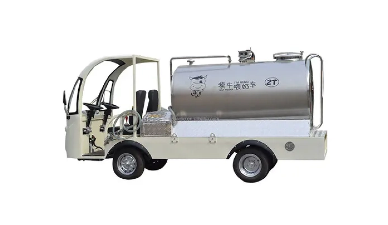
Cleaning a milk taxi might seem like a simple task, but there are several key steps to take into consideration to make sure the vehicle is thoroughly sanitized and ready for use again. Let’s break down the process into clear, manageable steps.
One of the most important hygiene practices is to rinse the milk taxi as soon as possible after each use. The longer the milk sits inside the tank, the more likely it is to develop residues or bacteria that can be difficult to remove. This is especially true if milk remains in the tank for extended periods of time, even if it’s cooled.
After every milk collection, rinse the milk tank with cool water immediately. This initial rinse will remove milk residues, which can turn sour and attract bacteria. It is important not to use hot water during the first rinse, as hot water can cause milk proteins to stick to the tank's surfaces, making them harder to remove.
For a more thorough clean, using the right cleaning solutions is crucial. While water alone can remove some milk residues, using specific milk tank cleaners or dairy-safe detergents can ensure a more effective clean.
These cleaning solutions are designed to break down milk fat and proteins, which can otherwise stick to the surfaces inside the milk taxi. These products are also formulated to be safe for milk handling, ensuring that no harmful chemicals remain that could contaminate the milk during the next collection.
Here are some common cleaning solutions that can be used:
Alkaline detergents: These are great for removing milk fats and protein residues. They should be used after the initial rinse.
Acidic solutions: These can help remove mineral deposits such as calcium and lime scale, which can build up over time.
Sanitizing agents: After cleaning, it’s important to sanitize the tank to kill any remaining bacteria or germs. Always make sure that the sanitizer you use is approved for dairy equipment.
The milk taxi is a complex system with various surfaces and parts that need cleaning. It’s not just the tank that should be cleaned, but also any hoses, pumps, and valves that come in contact with the milk. Milk residue can build up in these areas, contributing to bacterial growth and contamination.
Hoses and pipes: Make sure all hoses and pipes are detached from the milk tank during the cleaning process and thoroughly rinsed with water. Run the cleaning solution through the hoses and pump to ensure that milk residues are removed.
Valves and nozzles: Pay special attention to the valves, nozzles, and any moving parts in the milk taxi. Milk can easily get trapped in these small parts and cause contamination if not cleaned properly.
Exterior surfaces: Don't forget to clean the exterior of the milk taxi as well. Dirt, debris, and spilled milk can accumulate on the outside, potentially transferring contaminants back into the milk during future collections.
Using soft brushes or cloths can help scrub the surfaces gently without damaging the tank or the components. Make sure that any brushes or cleaning tools used are also kept clean and sanitized.
Once you've cleaned all parts and surfaces with the appropriate detergents, make sure to rinse the entire system thoroughly. This step is crucial, as any leftover cleaning solution can contaminate the milk during its next trip. Use plenty of clean, fresh water and rinse until there is no detergent or sanitizer residue left.
This rinse should be done several times, especially if you've used a strong cleaning solution. The tank should be visibly free from any soap or chemical residues before moving on to the next step.
Once the milk taxi is thoroughly rinsed, it’s important to dry it properly to prevent the growth of bacteria and mold. Allow the milk taxi to air dry in a clean, dry environment. Make sure that any damp areas, especially in corners and crevices, are properly dried to prevent bacterial growth.
Some farmers use air blowers or clean cloths to dry the interior of the milk tank, as this can help speed up the drying process. It’s essential to ensure that the tank and all components are completely dry before they are used again.
In addition to regular cleaning after each use, milk taxis should undergo deep cleaning periodically. This means taking extra steps to disassemble and clean parts of the milk taxi that are not regularly cleaned or checked. Deep cleaning might include:
Cleaning the milk taxi’s cooling system: The cooling system plays a vital role in keeping the milk fresh. Regularly clean the cooling unit, filters, and pipes to ensure optimal performance.
Inspecting and servicing the pump system: Milk taxi pumps need to be cleaned and inspected regularly to ensure that no residues or blockages are left behind.
A deep clean should be performed every month or as recommended by the manufacturer to maintain the milk taxi in top condition.
To maintain hygiene and prevent any future problems with your milk taxi, it’s important to adopt some best practices:
Regular inspections: Inspect the milk taxi after every use to check for any signs of wear, residue buildup, or potential contamination. Keeping a maintenance log can help ensure that any problems are caught early.
Proper storage: Store the milk taxi in a clean, dry, and well-ventilated area. Keeping it in a contaminated or damp environment can contribute to bacterial growth and mold buildup.
Train employees: Make sure all farm workers involved in the cleaning process are properly trained on how to clean and maintain the milk taxi. This ensures that cleaning is done consistently and correctly.
Use of disposable gloves: Always wear gloves when handling the milk taxi and cleaning equipment. This minimizes the risk of contamination from hands to the milk taxi.
Keeping a milk taxi clean is crucial for maintaining the quality and safety of the milk being transported. Regular cleaning and proper sanitation practices prevent the growth of harmful bacteria, remove residue buildup, and ensure that the milk taxi is operating at its best. By following the steps outlined in this article, dairy farmers can ensure that their milk taxis are thoroughly cleaned and maintained, which ultimately contributes to better milk quality, less waste, and more efficient farming operations.
Investing time and effort into keeping your milk taxi clean will pay off in the long run, reducing the risk of contamination and spoilage while ensuring that your dairy products meet the highest hygiene standards.


