

Views: 0 Author: Site Editor Publish Time: 2026-07-03 Origin: Site


Dairy farming demands rigorous physical labor, continuous heavy machinery operation, and constant interaction with unpredictable livestock. These overlapping hazards have historically driven exceptionally high injury rates across the agricultural sector. Heavy machinery and easily spooked animals create a uniquely challenging and dynamic environment for farm workers. Relying on aging, legacy machinery exacerbates these daily risks. It directly threatens worker well-being, damages employee retention, and jeopardizes overall operational continuity.
Modern engineering has officially transitioned away from prioritizing purely mechanical output. Instead, equipment manufacturers now prioritize operator safety, ergonomic design, and robust risk mitigation. This engineering shift protects human life while simultaneously improving overall farm efficiency and dairy yield.
This article provides farm operators, facility managers, and owners with a clear, actionable framework for evaluating safety innovations. You will discover how modern machinery actively reduces workplace liabilities. We will explore how updated systems ensure strict regulatory compliance and prevent costly operational downtime.
Modern equipment reduces operator risk through integrated mechanical guarding, fail-safes, and enhanced visibility.
Automation (like robotic milking and automated feed pushers) physically separates workers from the highest-risk animal interaction zones.
Upgrading machinery directly impacts the bottom line by lowering workers' compensation premiums and minimizing operational downtime.
Evaluating new equipment requires assessing not just mechanical features, but also the ease of integrating safety protocols into daily Standard Operating Procedures (SOPs).
Operating a commercial dairy facility involves managing constant physical hazards and complex financial risks. Upgrading to modern infrastructure directly addresses these deep-rooted vulnerabilities. You protect your essential workforce while building a significantly more resilient business model.
Financial protection starts with a comprehensive approach to risk management. Updated machinery holds verifiable, independent safety ratings. These ratings serve as tangible proof for commercial insurance providers. When you install modern systems, you actively reduce the statistical likelihood of severe workplace accidents. Commercial farm insurance providers strongly recognize these proactive safety measures. They often reward progressive facilities by significantly lowering annual coverage premiums. Furthermore, fewer accidents translate directly to fewer workers' compensation claims. Managing complex claims drains financial resources, inflates future insurance rates, and consumes valuable administrative time. Upgraded equipment minimizes these costly, stressful disruptions.
Regulatory agencies continually enforce strict safety guidelines for agricultural operations. Features found in modern Dairy Farm Equipment align directly with these evolving legal baselines. Occupational health and safety regulators, such as OSHA in the United States and WorkSafeBC in Canada, mandate specific machine guarding protocols. Comprehensive industry frameworks, including the National Dairy FARM program, echo these rigorous requirements. Modern machinery integrates these critical compliance standards at the factory production level. You no longer need to haphazardly retrofit older units just to pass a surprise regulatory inspection. Factory-installed safety features ensure you remain compliant effortlessly, avoiding steep administrative fines.
Farm owners often hesitate to upgrade due to the high upfront capital expenditure required. However, you must carefully weigh this initial cost against the hidden, long-term financial impacts of legacy equipment. Accidents induce severe, cascading operational downtime. A single machinery-related injury halts daily production immediately. Subsequent regulatory investigations, ongoing legal fees, and potential civil litigation exponentially compound the financial damage. Investing in fundamentally safe machinery prevents these catastrophic, unplanned interruptions. The initial purchase price secures long-term operational stability and peace of mind. You successfully avoid the unpredictable, massive expenses intimately tied to severe workplace injuries.
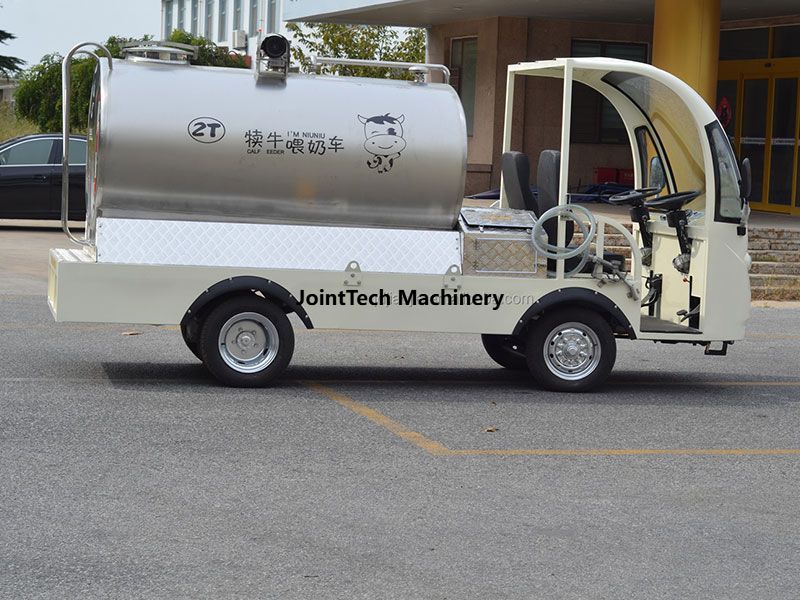
Core machinery handles the heaviest, most grueling daily workloads on the farm. Manufacturers now engineer these powerful systems to physically separate operators from hazardous moving parts. You must meticulously evaluate these integrated mechanical safeguards when upgrading your fleet.
TMR (Total Mixed Ration) mixers and high-capacity feeders present significant entanglement and crushing hazards. Standard safety expectations now strictly require non-bypassable safety grates positioned over mixing chambers. Operators cannot easily remove or alter these grates during active operation. Emergency stop (E-stop) buttons must be highly visible and instantly accessible. They should sit within immediate physical reach from multiple operator stations around the machine. PTO (Power Take-Off) shafts remain notoriously dangerous across the industry. Reinforced, structural PTO shielding is an absolute, non-negotiable necessity. Modern shields fully encase the rapidly spinning shaft. This comprehensive barrier prevents loose clothing, tools, or limbs from catching during operation.
Skid steers and articulated loaders constantly navigate incredibly tight, congested barn environments. These agile machines require highly robust operator protection frameworks. ROPS (Roll-Over Protective Structures) protect drivers completely if the machine tips over on uneven, slippery terrain. FOPS (Falling Object Protective Structures) shield operators from heavy falling bales, structural debris, or equipment. Blind spots cause numerous devastating barn accidents every year. Modern loaders increasingly integrate advanced 360-degree camera systems. These digital cameras provide complete, real-time spatial awareness on cab monitors. Operators clearly see ground workers, obstacles, and cattle previously hidden completely behind the machine's chassis.
Manure handling systems introduce a volatile mix of biological and mechanical dangers. Heavy-duty augers and transfer pumps require secure, locking grates. These grates prevent operators from accidentally slipping into active, churning machinery. Hazardous gas buildup, particularly toxic hydrogen sulfide (H2S), is frequently lethal in confined spaces. Modern handling systems seamlessly integrate advanced ventilation triggers. They automatically engage industrial exhaust fans whenever gas concentrations rise dangerously. Lockout/tagout (LOTO) readiness is also critically important for maintenance safety. Modern pumps feature distinct, brightly colored power isolation points. Maintenance crews can easily and physically lock the primary power supply before ever servicing the equipment.
Machinery Category | Legacy Equipment Risks | Modern Safeguard Integration |
|---|---|---|
TMR Mixers and Feeders | Exposed augers, fragile PTO covers, distant kill switches | Non-bypassable grates, reinforced PTO shields, multi-point E-stops |
Skid Steers and Loaders | Severe rear blind spots, open cab designs | 360-degree cameras, certified ROPS/FOPS enclosures |
Manure Handling Pumps | Open access points, hidden electrical switches, unventilated pits | Secure heavy grates, clear LOTO-ready panels, H2S sensor integration |
The most universally effective way to protect workers is total physical separation from identified hazards. Automation successfully removes the fragile human element from high-risk environments. It effectively shifts operators from manual, physical laborers to high-level system supervisors.
Automated Milking Systems (AMS) have fundamentally revolutionized parlor safety and ergonomics. Traditional manual milking requires repetitive kneeling, awkward reaching, and forceful attaching. These repetitive motions inevitably cause chronic musculoskeletal injuries over time. Robotic milkers completely eliminate these physical demands. Crucially, they also remove workers entirely from the dangerous "kick zone." Cows easily crush, pin, or kick operators during stressful manual attachments. AMS units feature incredibly sturdy metal barriers protecting the robotic arms. The robot handles the physical attachment flawlessly while the operator monitors the data from a safe, separated control room.
Robotic feed pushers and autonomous scrapers keep workers completely out of dangerous, congested areas. Narrow barn alleyways leave remarkably little room for error or escape. When workers share these confined spaces with heavy diesel loaders, accidents happen easily. Easily spooked, massive cattle compound the danger exponentially. Autonomous equipment handles these tedious, repetitive tasks without human drivers present. They navigate alleyways slowly, quietly, and entirely predictably. Cattle remain remarkably calm, and workers stay out of the high-traffic collision zones completely.
Modern IoT-enabled equipment utilizes highly sensitive, sensor-driven fail-safes. These smart systems detect mechanical anomalies and human proximity before accidents ever occur. Key sensor integrations include:
Proximity and Presence Sensors: The equipment detects a human entering a designated hazard zone and pauses operation instantly without operator input.
Advanced Torque-Monitoring: If a feed auger jams on debris, the system senses the sudden resistance. It automatically shuts down to prevent mechanical explosions, snapped chains, or motor fires.
Infrared Thermal Imaging: Integrated sensors continuously monitor bearing and motor temperatures. They trigger digital alerts long before overheating causes a catastrophic, dangerous failure.
Lidar and Radar Navigation: Autonomous scrapers precisely map the barn layout. They stop moving immediately if an unexpected obstacle, fallen animal, or worker appears in their path.
These fail-safes operate completely independently of human reaction times. They provide a vital, invisible layer of protection across the entire dairy facility.
Safety features only work effectively if your team actually uses them correctly daily. Evaluating new equipment requires looking far beyond the glossy spec sheet. You must critically assess how easily the machinery integrates into messy, daily farm operations.
The overall usability factor heavily determines long-term safety success. Equipment must feel completely intuitive for diverse farm labor. Frustrated, rushing workers frequently bypass overly complex safety features. If a clumsy guard makes a simple task take twice as long, operators might permanently remove it. True, lasting safety requires thoughtful user-centric design. You need systems that protect workers without severely hindering their daily workflow. Always test the equipment practically from the operator's perspective. Ensure the safety mechanisms naturally align with existing working habits.
Standard Operating Procedures (SOPs) dictate the actual daily safety habits on the floor. Safe equipment remains only effective if your entire workforce uses it uniformly. Vendor-provided training materials are absolutely crucial. You need clear, visual, multi-lingual instructions for your team. Digital manuals offer quick, searchable reference points on rugged tablets or smartphones. Standardize your workforce completely on these documented procedures. Do not ever leave critical operation methods open to individual interpretation or guesswork.
Routine maintenance requirements heavily influence overall facility safety. You must evaluate exactly how easy it is to safely service the equipment. Poorly designed machines require mechanics to crawl inside dangerous crush zones. Evaluate the following best practices during your initial equipment assessment:
Accessible Exterior Grease Points: Ensure technicians can comfortably lubricate the machine from a safe, exterior standing position.
Clear Hydraulic Isolation Valves: Pressurized lines must feature easy-to-reach, clearly labeled pressure release valves to prevent fluid injection injuries.
Ground-Level Servicing Design: Avoid purchasing equipment that requires climbing slippery ladders for basic, daily fluid checks.
Visual Fluid Indicators: Use clear sight glasses instead of traditional dipsticks to check fluid levels quickly and safely from a distance.
Deciding exactly how to upgrade your facility requires a highly strategic approach. You must carefully determine whether to improve existing assets or invest in entirely new, modern systems.
Evaluating retrofit viability is your logical first step. Sometimes it makes operational sense to install aftermarket components on legacy equipment. You can relatively easily add physical safety guards, digital backup cameras, or basic sensor packages to older tractors. This approach works reasonably well for machines maintaining excellent structural integrity. However, retrofitting has hard physical limits. Bolting a shiny new guard onto a rusting, fatigued frame offers incredibly dangerous false security. When core safety structures severely degrade, a total replacement is strictly required. You absolutely cannot retrofit factory-level IoT integration, complex hydraulic fail-safes, or fundamental ROPS structures effectively.
Vendor accountability plays a massive role in your successful procurement strategy. Establish highly strict criteria for shortlisting your equipment manufacturers. Look only for vendors who provide completely transparent, verifiable safety data. They should willingly offer independent testing results for all their machinery. On-site implementation support remains equally critical. The vendor should physically help install the equipment and carefully calibrate the safety sensors in your specific barn environment. Seek manufacturers explicitly offering long-term compliance guarantees. They must commit to updating their software systems and safety guidelines as federal occupational safety standards inevitably evolve over time.
Investing heavily in modern machinery is fundamentally a dual investment. You definitively protect your essential human capital while ensuring strict, unwavering operational continuity. Upgraded mechanical safety mechanisms physically isolate your vulnerable workforce from historical hazards. Advanced automation further removes operators from highly unpredictable animal interactions and repetitive strain. These combined improvements create a highly resilient, deeply efficient working environment.
Take immediate, calculated action to secure your facility's future. First, rigorously conduct a comprehensive hazard assessment across your entire dairy operation. Identify the specific legacy machines posing the highest immediate physical risks to your staff. Second, eagerly schedule safety-focused, practical demonstrations with highly reputable vendors. Ask them specifically to prove how their systems integrate seamlessly into your existing daily routines. Finally, completely revise your internal training programs to align perfectly with modern compliance standards.
A: Yes. Insurance providers calculate premiums based on risk exposure. Modern equipment with verified safety ratings reduces the statistical likelihood of accidents. You must provide actuarial proof of these upgrades to your provider. Coordinate with your risk management agent during procurement. They can verify which specific machine certifications trigger premium discounts.
A: Generally, no. Factory-installed features integrate directly into the machine's core structural integrity. They undergo rigorous compliance testing as a complete unit. Aftermarket guards often rely on existing, potentially degraded mounting points. While aftermarket parts improve baseline safety on legacy machines, they rarely meet the comprehensive compliance standards of entirely new equipment.
A: The most critical failures involve bypassed safeguards. Look for missing or damaged PTO shields on tractors. Check for intentionally bypassed emergency stop buttons or taped-down presence sensors. Degraded hydraulic hoses are another major failure point. A blown hose can cause sudden equipment drops or inject high-pressure fluid directly into an operator's skin.
A: Yes. Automation shifts the safety focus. Workers move away from physical risk management and toward technical protocol management. Operators must receive specialized lockout/tagout (LOTO) training. They need to know exactly how to safely de-energize robotic systems before clearing jams or performing routine maintenance.


