

Views: 0 Author: Site Editor Publish Time: 2025-11-12 Origin: Site


In modern dairy farming, animal comfort is directly tied to productivity, health, and sustainability. Among the many pieces of cow farm equipment that shape daily herd management, cow cubicles (also known as free-stall systems) have become a central component. Far from being a simple structural addition, cow cubicles represent an evolving area of design innovation aimed at promoting cow welfare while improving farm efficiency.
This article explores the latest innovations in cow cubicle design, examining how they contribute to healthier living spaces for dairy herds, reduce stress and injuries, and create long-term value for farmers.
Cow cubicles provide designated resting areas for dairy cows within free-stall housing systems. Properly designed cubicles encourage cows to lie down comfortably, reduce conflicts within the herd, and help maintain hygiene.
A well-rested cow can lie down for 12 to 14 hours per day, which aids in digestion, blood circulation to the udder, and milk production. Conversely, poorly designed cubicles may lead to stress, lameness, or reluctance to use the stalls, undermining animal health and farm profitability.
This makes cow cubicles more than just infrastructure—they are essential tools in balancing animal welfare, productivity, and labor efficiency.
Recent innovations in cubicle design focus on flexibility, comfort, and durability. Some of the most significant design aspects include:
Cubicle dimensions must match the size and build of the herd to ensure comfort and safety. Different breeds, ages, and weights require variations in width and length to allow cows to lie down, stand up, and turn naturally without restriction. Adjustable or modular designs accommodate growth and herd changes over time, reducing overcrowding, minimizing injuries, and promoting proper resting behavior for healthier, more productive cows.
Traditional rigid dividers are being replaced with flexible or swinging partitions made of plastic or coated steel. These allow cows to enter and exit more naturally, reducing abrasions and stress.
The positioning of neck rails and brisket boards is critical. Modern systems feature adjustable components that guide cows into proper lying positions without restricting their comfort.
Innovations in bedding include rubber mats, waterbeds, and deep-bedded sand systems. Each option provides improved cushioning to prevent joint injuries and pressure sores.
Some cubicle systems now integrate airflow solutions and natural lighting designs, enhancing overall barn environments and reducing respiratory issues.
The primary goal of modern cow cubicle design is to prioritize animal welfare, recognizing that healthier, stress-free cows are more productive and resilient. Studies have shown that cows provided with well-designed, comfortable cubicles spend more time lying down, experience fewer hoof and joint problems, and display reduced aggressive or competitive behavior within the herd. These improvements have a direct impact on overall herd health, milk quality, and farm efficiency.
Comfort-focused innovations in cubicle design translate into several practical benefits:
Reduced Stress: Properly sized cubicles with secure resting spaces allow cows to retreat from dominant herd members, reducing social stress. By providing a calm environment, cows exhibit more natural behaviors, which contributes to better health and a calmer barn atmosphere.
Lower Risk of Injury: Flexible dividers, ergonomic neck rails, and soft bedding materials minimize the risk of bruising, joint strain, and accidental injuries. This is particularly important in larger herds, where competition for space can otherwise lead to physical damage.
Improved Hygiene: Modern cubicle layouts guide cows to lie in positions that keep manure and urine outside the resting area. This design helps maintain cleaner, drier bedding, reducing the risk of infections such as mastitis and improving overall barn hygiene.
Enhanced Milk Yield: Comfort directly influences metabolic efficiency. Cows that spend sufficient time lying down are better able to digest feed and circulate nutrients, which supports higher and more consistent milk production. Comfortable cows are also more likely to feed regularly, further contributing to optimal milk yields.
Behavioral Health: Ergonomically designed cubicles encourage natural movement and lying patterns, preventing frustration and promoting positive social interactions within the herd. This helps maintain overall herd cohesion and reduces aggressive incidents.
By integrating these design innovations, farmers can create a barn environment that not only meets the physical needs of cows but also supports their psychological well-being, resulting in a healthier, more productive herd.
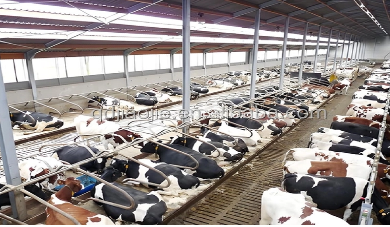
Modern cubicles are not only physical structures but also part of smart farming systems. With the integration of sensors and data-driven tools, farmers can monitor cow behavior and adjust stall conditions accordingly.
Motion sensors track lying time, identifying potential lameness early.
Automated cleaning systems ensure that bedding remains dry and hygienic.
IoT integration connects cubicle data with broader herd management software, offering insights into herd comfort and productivity.
These technologies empower farmers to make proactive decisions, aligning equipment design with animal needs.
Sustainability is a growing concern in agriculture, and cow cubicle design plays an important role:
Resource efficiency: Durable materials and modular designs reduce replacement frequency.
Waste reduction: Cleaner stalls minimize bedding waste and improve manure management.
Energy savings: Integrating natural ventilation and daylight reduces reliance on artificial systems.
Animal longevity: Healthier cows remain productive for longer, lowering replacement rates and reducing overall farm emissions.
By linking welfare with sustainability, cubicle innovations support both environmental and economic goals.
Although modern cow cubicles require an initial investment, their long-term economic impact is significant:
Lower veterinary costs from fewer injuries and lameness cases.
Higher milk yields due to increased cow comfort.
Reduced labor needs thanks to cleaner, low-maintenance designs.
Extended equipment lifespan with modular and durable components.
For many farmers, these savings and productivity gains outweigh the upfront costs, making cubicles a smart investment in the future of dairy operations.
Looking ahead, several trends are shaping the future of cow cubicles:
Smart cubicles that adjust dimensions automatically for different animals.
Eco-friendly materials made from recycled or renewable resources.
Hybrid housing systems combining cubicles with open resting areas for maximum flexibility.
AI-driven comfort monitoring, using image recognition and real-time data to adjust stall conditions.
These advancements highlight how cow cubicles will continue to evolve as part of the broader shift toward precision livestock farming.
Cow cubicles are no longer just static pieces of farm infrastructure—they are dynamic tools shaped by design innovation, animal welfare science, and smart technology. By creating healthier living spaces, they improve dairy herd comfort, boost milk production, and support long-term farm sustainability.
For farmers aiming to stay competitive, investing in modern cow cubicles and integrating them with other cow farm equipment can be a strategic step toward efficiency and profitability.
If you are exploring innovative cow cubicle solutions or looking for reliable suppliers of dairy farm equipment, you may visit www.jmachinery.com to learn more. They provide equipment options designed with both animal welfare and farm productivity in mind, making them a valuable resource for modern dairy operations.


