

Views: 0 Author: Site Editor Publish Time: 2025-12-01 Origin: Site


In modern dairy farming, ensuring the milk is transported efficiently and safely from the milking area to the collection point or processing plant is crucial for maintaining milk quality. One tool that has become indispensable in many dairy farms is the milk taxi, a specialized vehicle designed to transport milk from the milking parlor to its destination. However, choosing the right milk taxi size for your herd can be a complex decision that directly affects your operational efficiency, costs, and milk quality. In this article, we will explore the factors that influence the decision of selecting the right milk taxi size, how to assess your farm’s needs, and the benefits of making the right choice.
A milk taxi is a small, often customized, vehicle designed to transport milk from the milking parlor to the processing plant or collection point. Unlike larger, bulk milk tankers, milk taxis are typically more suited for smaller and medium-sized operations, providing flexibility and efficiency. These vehicles are equipped with tanks that are insulated to keep the milk cool during transport. They also have pumps that allow the milk to be easily transferred from the storage tanks to the taxi’s milk tank without human intervention.
While milk taxis come in a variety of sizes, from small single-tank models to larger multi-tank versions, choosing the correct size is essential to ensure that the milk is transported quickly, safely, and cost-effectively.
Choosing the right milk taxi size is important because it impacts several factors, including transportation efficiency, milk quality, labor costs, and maintenance. A taxi that is too large can result in unnecessary fuel consumption, maintenance costs, and wasted space, while one that is too small may not meet the farm’s needs, leading to frequent trips and inefficiencies. A well-sized milk taxi ensures that the milk is transported in an optimal time frame, reducing the risk of spoilage, bacterial growth, or contamination.
There are several key factors that should influence your decision when choosing the right size for your milk taxi. These include herd size, milk production per cow, farm layout, transportation distance, and your farm’s operating budget.
One of the first factors to consider when choosing the size of your milk taxi is the size of your herd and the amount of milk produced daily. Larger herds typically require larger milk taxis to handle the higher volumes of milk produced. For example, if your farm has a herd of 200 cows producing an average of 15 liters of milk per cow per day, you will need a milk taxi that can handle around 3,000 liters of milk per day.
Conversely, for smaller farms with fewer cows and lower milk production, a smaller milk taxi with a capacity of 500 to 1,000 liters may be sufficient. When calculating the necessary capacity, it’s important to factor in your herd's daily milk production, the milking schedule, and how frequently you need to transport the milk.
The number of times you milk your cows each day and how the milk is collected will also influence the size of the milk taxi you need. Dairy farms typically milk their cows twice or three times per day, and the milk produced in each session will vary based on the herd’s size, breed, and diet.
If your farm operates a three-times-a-day milking schedule, the total amount of milk collected in a 24-hour period may be higher, necessitating a larger taxi or multiple trips. For farms that only milk twice a day, a smaller milk taxi may suffice, as the milk is collected in larger quantities at once. Understanding your milking schedule and daily production is critical when selecting the right milk taxi size.
The layout of your farm and the distance from the milking area to the collection point or processing plant is another important consideration when choosing a milk taxi size. If the milking parlor is far from the collection point, a larger milk taxi with a greater capacity may be more efficient, as it will reduce the number of trips needed to transport the milk. Conversely, if the milking area and collection point are close together, a smaller milk taxi may be sufficient, saving on fuel costs and reducing the amount of maintenance required.
If your farm is spread out over a large area with multiple barns or milking stations, it may be more cost-effective to invest in a smaller milk taxi that can make multiple trips between different locations throughout the day. This flexibility ensures that milk is transported quickly, and it prevents long waits between milk collection and transportation.
Milk quality is directly influenced by how well it is cooled and stored during transport. The milk taxi should have an adequate cooling system to keep the milk at a safe temperature, typically below 4°C (39°F), to prevent bacterial growth and spoilage.
Larger milk taxis often come equipped with more powerful cooling systems capable of handling larger volumes of milk over longer distances. Smaller taxis, while also equipped with cooling systems, may be better suited to farms that handle smaller quantities of milk and can transport the milk quickly.
When deciding on the milk taxi size, consider both your daily production needs and your farm’s ability to maintain milk quality. The taxi should have enough cooling capacity to handle the amount of milk produced and keep it at a safe temperature throughout transport.
Milk taxis, particularly larger models, can represent a significant investment for a dairy farm. The size of the milk taxi will directly impact the initial cost, as well as ongoing operational costs like fuel, maintenance, and repairs. Larger taxis tend to be more expensive to buy, operate, and maintain, while smaller taxis may be more affordable but may require more frequent trips to transport the same volume of milk.
When choosing the right milk taxi size, it’s important to factor in your farm’s budget and weigh the costs against the benefits. A smaller taxi may be more cost-effective for a small farm, but for larger operations, investing in a larger taxi with a higher capacity could reduce transportation costs in the long run by minimizing the number of trips.
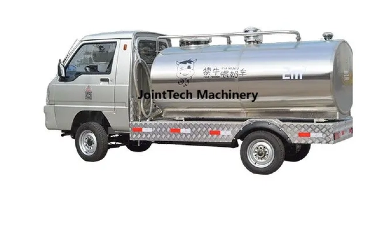
To help you make a more informed decision, let’s look at the pros and cons of different milk taxi sizes.
Pros:
Lower initial cost and operating expenses.
Easier to maneuver, especially in smaller, more confined farm layouts.
Ideal for farms with smaller herds or lower milk production.
Less fuel consumption and lower maintenance costs.
Cons:
Requires more trips to transport milk, which can increase fuel and labor costs over time.
May not be efficient for farms that produce large volumes of milk.
Pros:
Suitable for larger farms with higher milk production.
Reduces the number of trips needed, saving time and labor costs.
More efficient fuel usage for larger volumes of milk.
Greater capacity allows for fewer trips, improving overall operational efficiency.
Cons:
Higher initial investment and operating costs.
Requires more maintenance due to the larger size and complex systems.
Larger tanks may be harder to maneuver in tight farm spaces.
To select the appropriate milk taxi size for your farm, start by analyzing the following:
Calculate your farm’s daily milk production: Assess the total amount of milk produced daily by your herd. Consider the number of cows, their milk yield, and the milking frequency.
Factor in your transportation needs: Consider how far the milk must be transported and the time frame for getting it to the processing plant or collection point. This will help you determine the size of the taxi that can handle the volume without compromising milk quality.
Evaluate your farm’s layout and accessibility: If your farm is large or spread out, consider a taxi with multiple tanks or a more versatile model that can handle different types of transport needs.
Consider your budget and operational costs: While a larger milk taxi may offer greater efficiency, it also comes with higher upfront costs and ongoing expenses. Weigh the benefits against your farm’s budget and projected savings.
Choosing the right milk taxi size for your herd is a critical decision that impacts the efficiency, cost, and milk quality on your farm. Whether you opt for a smaller milk taxi for a smaller herd or a larger model to handle higher production volumes, the key is to match the milk taxi to your farm’s specific needs. By carefully considering factors such as herd size, milk production, transportation distance, and budget, you can make a choice that improves your farm's overall operational efficiency and ensures that your milk is transported safely and without compromise.
One company that stands out in providing high-quality, reliable, and customizable milk taxis is Qingdao JointTech Machinery Inc. They specialize in designing and manufacturing specialized vehicles that are tailored to meet the needs of dairy farms, large and small. With years of experience in the agricultural machinery industry, Qingdao JointTech Machinery is a trusted name in providing innovative solutions for milk transportation. Their product lineup includes both smaller milk taxis for smaller operations as well as larger models for more substantial dairy farms.


