

Views: 0 Author: Site Editor Publish Time: 2026-04-29 Origin: Site


Purchasing a livestock watering system often looks incredibly simple. You pick out a tank. You place it in the pasture. You fill it up. However, this seemingly straightforward upfront equipment cost hides compounding operational expenses over time. We must look beyond basic product descriptions. Farm operators need to evaluate the true total cost of ownership (TCO) of these setups. Material vulnerabilities heavily dictate how long equipment lasts. Site-specific operational requirements dictate how modern farm management actually functions day to day.
You face a constant balancing act when making this decision. You must weigh a low initial budget against the heavy toll of daily manual labor. Furthermore, you need to factor in serious veterinary risks from waterborne pathogens. Extreme weather resilience also plays a major role in your infrastructure planning. Read on to discover how to evaluate material types, calculate hidden maintenance costs, and determine if an automated system fits your herd management strategy.
Labor is the true cost: Manual filling, scrubbing biofilms, and breaking ice can account for 15-20% of routine livestock management labor.
Materials dictate maintenance: Plastic prevents rust but risks structural bowing; metal withstands horned livestock but conducts extreme temperatures; concrete offers 50-year longevity but zero mobility.
Stagnation breeds risk: Static water attracts disease-carrying insects and toxic algae blooms, making flow and temperature regulation critical.
Automation drives ROI: Upgrading to an automatic water filling drinking trough typically offsets its higher purchase price within 2–3 years through labor and energy savings.
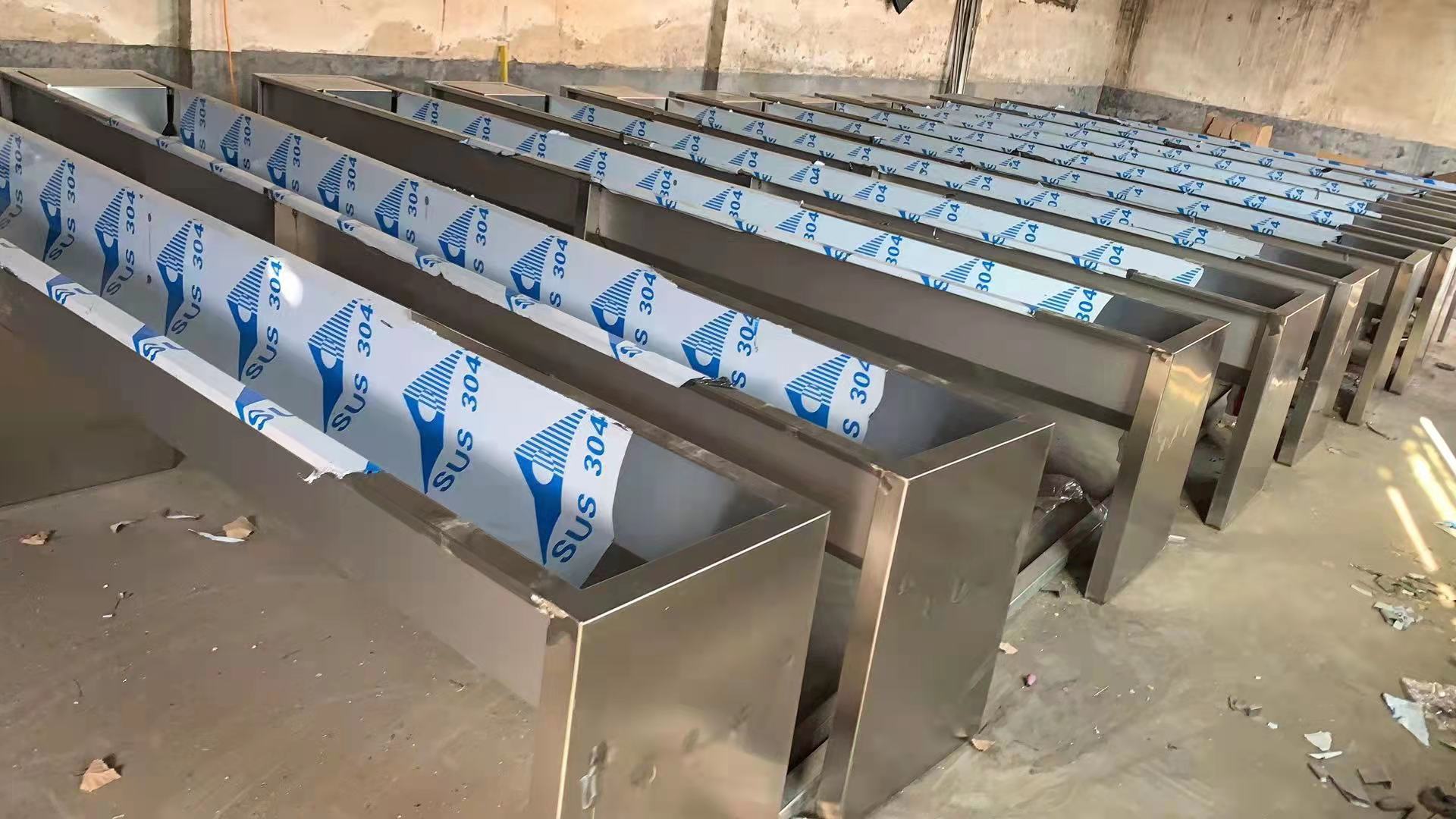
Farm operators frequently underestimate the long-term expenses of static watering systems. A basic tank looks cheap on a spreadsheet. Yet, superficial benefits often mask compounding daily liabilities. Let us deconstruct why these traditional setups cost you more over time.
Traditional static systems dominate many entry-level farming operations. They provide several undeniable short-term benefits.
Zero-Barrier Deployment: They offer an extremely low initial procurement cost. You get a plug-and-play setup. You need zero plumbing or electrical infrastructure to start watering animals.
Visual Intake Monitoring: Static tanks allow farm managers to gauge herd hydration manually. You can easily estimate approximate daily intake based on visual water-level drops.
Absolute Simplicity: These tanks feature no float valves. They have no rubber seals. They lack mechanical parts requiring specialized troubleshooting.
The honeymoon phase of a cheap tank ends quickly. The operational drawbacks rapidly consume your daily schedule.
High-Frequency Maintenance: Static tanks demand intense labor requirements. You face frequent draining and abrasive scrubbing. You must manage algae, sediment, and fecal contamination constantly.
Temperature Vulnerability: Stagnant water acts as a massive thermal battery. It freezes solid in winter, requiring daily manual ice-breaking. It turns dangerously hot in summer. Hot water suppresses animal intake, leading to dangerous dehydration and reduced feed consumption.
Biological Risks: Dead water serves as a breeding ground for cyanobacteria. Blue-green algae releases deadly toxins. Static water also attracts insects acting as vectors for severe diseases. For instance, flies and mosquitoes can transmit Potomac horse fever.
Common Mistake: Many farmers ignore the labor cost of hauling water. They view their own time as "free." You must attach an hourly rate to your manual labor to calculate accurate operational expenses.
Material selection goes far beyond aesthetics. It dictates physical properties, installation limits, and biological safety. You must objectively compare how different materials perform under farm conditions.
Modern agricultural plastics provide excellent versatility. Manufacturers use UV-stabilized polyethylene to extend product life.
Pros: Plastic features extremely low thermal conductivity. It keeps water much cooler in the summer sun. It remains entirely immune to rust. You can also relocate these lightweight tanks easily during rotational grazing.
Cons: Plastic remains susceptible to structural bowing under immense hydrostatic pressure. Straight-walled tanks filled over 18 inches deep often bulge without external bracing. Prolonged UV exposure or extreme cold can make cheap plastics brittle.
Metal tanks evoke traditional farming imagery. They bring serious durability to the pasture.
Pros: Galvanized steel delivers exceptional rigidity and impact resistance. Narrow metal designs provide better clearance for horned livestock. This specific shape reduces trough-side conflicts between aggressive animals.
Cons: High heat transfer accelerates winter freezing and summer evaporation. Eventual rust inevitably degrades the protective zinc lining. Damaged linings introduce potential heavy metal leaching. Copper leaching is highly toxic to sheep.
Permanent infrastructure requires permanent materials. Concrete represents the ultimate long-term investment.
Pros: Concrete provides unmatched thermal mass. It offers natural insulation against rapid temperature swings. Expected lifespan easily reaches up to 50 years with proper curing and reinforcement.
Cons: Concrete demands the highest initial installation cost. It acts as a permanent fixture. It offers zero flexibility for evolving rotational grazing layouts.
Material Type | Thermal Properties | Mobility | Primary Weakness |
|---|---|---|---|
Polyethylene (Plastic) | Low conductivity (cool in summer) | High (easy to relocate) | Bowing under hydrostatic pressure |
Galvanized Steel | High conductivity (freezes fast) | Medium (requires two people) | Rust and heavy metal leaching |
Concrete | High thermal mass (stable temps) | Zero (permanent installation) | High upfront cost and immobility |
Farm operators eventually reach a breaking point with manual labor. Pitching automation requires looking at labor-saving, health-optimizing solutions. We evaluate these systems without relying on exaggerated claims.
Automation fundamentally changes herd hydration. It replaces the exhausting "fill-and-deplete" cycle with on-demand replenishment. An animal drinks, and the valve immediately restores the water level. This drastically reduces the volume of standing water. Less standing water means significantly less surface area susceptible to contamination and algae growth.
Winter watering causes massive headaches. Many operators use submersible electric tank heaters to prevent ice. However, electric heaters draw massive power and introduce severe electrocution risks to livestock.
Modern frost-free systems utilize natural geothermal heat. The earth maintains a constant temperature of roughly 50°F below the frost line. Geothermal tubes capture this ambient heat. They bypass the recurring utility costs of electric heaters entirely. You get ice-free water even in sub-zero conditions without running expensive electrical lines.
Upgrading requires capital. You face a distinct trade-off. You must cover higher upfront hardware and trenching costs. However, you eliminate daily water-hauling labor and tractor fuel. For mid-sized commercial herds, the numbers make sense quickly. Industry standards highlight a typical 2-to-3-year breakeven point. After this timeline, the system generates pure operational savings.
You cannot simply drop an automated tank anywhere. Expertise-driven installation frameworks ensure biological safety and system longevity. You must account for animal behavior and environmental engineering.
Calculating True Volume Requirements: You must factor in variables far beyond basic animal weight. Make major adjustments for high-dry-matter diets like winter hay. Account for extreme heat index spikes in July and August. Lactating animals, such as dairy cattle, require vastly higher daily water intake to maintain milk production.
Accounting for Social Hierarchy: Herd animals enforce strict social rankings. Dominant, top-tier animals will aggressively monopolize a single water source. They physically block subordinate animals from drinking. You face a strict necessity to install multiple, separated watering points. Plan for a minimum of two points per pen to prevent bullying and ensure uniform herd hydration.
Site Preparation and Anchoring: You must engineer the immediate environment properly. High foot traffic destroys wet soil. You have a strict requirement for heavy gravel or concrete pads around the unit. These hard surfaces prevent deep mud accumulation. Mud causes severe hoof degradation and bacterial infections. Furthermore, you need necessary grading to handle accidental overflow and natural rain runoff away from the drinking zone.
Best Practice: Always extend your concrete apron or gravel pad at least six feet outward from the unit edge. This ensures the animal's back hooves remain on solid ground while drinking.
Automated infrastructure still requires human oversight. Actionable maintenance governance ensures long-term functionality. You must develop a strict Standard Operating Procedure (SOP) for your farm staff.
You cannot ignore water infrastructure for weeks. Establish non-negotiable routine checks. Staff must inspect for hidden valve leaks daily. Even small leaks create massive mud bogs. Inspect the unit for structural cracks caused by animal impacts. Perform organic buildup removal weekly before soft biofilm hardens into an abrasive crust.
Water quality shifts silently. You need quarterly chemical analyses. Test for hidden pH shifts and total dissolved solids (TDS). Most importantly, monitor agricultural nitrate runoff. High nitrate levels in drinking water silently devastate herd feed-conversion rates. Animals stop gaining weight even when eating properly. Quarterly lab testing serves as your early warning system.
Task Frequency | Action Required | Primary Objective |
|---|---|---|
Daily | Check float valves and inspect ground for puddling. | Prevent mud bogs and verify continuous hydration. |
Weekly | Brush interior walls and remove floating debris. | Eliminate soft biofilm before it hardens. |
Monthly | Inspect concrete pads and gravel aprons for wear. | Prevent hoof rot and maintain level footing. |
Quarterly | Submit water samples for lab analysis (pH, TDS, Nitrates). | Prevent internal health issues and maintain feed conversion. |
Selecting the right agricultural hydration system demands strategic thinking. You fundamentally face a calculation of labor availability versus capital expenditure. Cheap static tanks cost very little upfront but drain your daily labor hours and introduce biological risks. Plastic, metal, and concrete each offer distinct advantages but require tailored management strategies.
Evaluate your hidden costs accurately by attaching an hourly rate to water hauling and ice-breaking.
Match your material choice to your specific climate and livestock type.
Install multiple drinking points per pasture to respect herd hierarchy and prevent dehydration in subordinate animals.
Build solid, graded pads around all installations to protect animal hoof health.
Operations struggling with winter labor hours or summer water quality issues should change their perspective. You need to prioritize evaluating frost-free automated systems as a strategic infrastructure upgrade. Treat modern watering tech as a core business investment rather than a luxury expense.
A: Capacity varies drastically based on your operational needs. Small portable units typically hold 15 to 30 gallons, making them ideal for single horses or small pens. Mid-sized tanks range from 50 to 100 gallons. Large multi-head tanks can easily exceed 300 gallons to accommodate larger commercial cattle herds.
A: You can use several practical, off-grid hacks. Consider partial burial of the tank to utilize earth insulation. Wrapping the exposed exterior tightly with thick straw or commercial insulation reduces heat loss. Additionally, strategic solar positioning helps. Place the tank in a south-facing area to maximize daytime sun exposure.
A: Yes, repurposing tanks for gardening is a massive trend. They offer excellent pest deterrence against burrowing animals like rabbits. However, you must consider the extreme soil weight once filled. Furthermore, metal tanks retain intense summer heat, which can quickly bake delicate plant root systems if not properly shaded.


