

Views: 0 Author: Site Editor Publish Time: 2026-01-21 Origin: Site


Feeding livestock efficiently is crucial to the success of any cow farm, not only for ensuring animal health and productivity but also for maintaining a cost-effective operation. One of the biggest challenges faced by cow farms is feed waste. Farmers often struggle with the uneaten feed left behind by cows, which can result in significant financial losses. This wasted feed not only impacts the farm's bottom line but also contributes to unnecessary environmental harm when left to decay or improperly disposed of.
Fortunately, leftover feed collectors are an innovative solution to this problem. These devices are designed to collect uneaten feed, reducing waste, and optimizing feed usage on the farm. By implementing a leftover feed collector system, cow farms can maximize the use of available feed, improve feed efficiency, and make significant strides towards sustainability. In this article, we will explore how leftover feed collectors work, the benefits they offer to cow farms, and how they can help optimize feed collection on your farm.
Leftover feed collectors are essential tools in automated feeding systems, specifically designed for farms with cows and other livestock. These systems are engineered to collect and store uneaten feed left behind by cows during their feeding sessions, helping farmers reduce waste and improve feed efficiency. Here's a detailed look at how the system works:
Feed Collection
As cows consume their feed, any leftover material, such as grains or pellets, is collected automatically. Conveyor belts, augers, or other mechanical systems are typically used to guide the uneaten feed into a central collection area. The system operates seamlessly, ensuring that feed that would otherwise go to waste is captured efficiently. This is particularly useful in automated systems where the cows’ feeding times and behavior are monitored and optimized.
Separation
Once the leftover feed is collected, it is passed through a filtration system. This system, which may include filters, screens, or separators, is designed to remove contaminants such as manure, bedding, and other debris that can mix with the feed. The separation process is crucial to ensuring that only clean, usable feed is stored for reuse. This prevents contamination and ensures that the cows receive safe, high-quality feed, reducing the risk of health problems.
Storage
After the feed is cleaned and separated, it is stored in designated bins or containers. These containers are designed to preserve the feed's quality and prevent spoilage. The storage process is important for keeping the collected feed in a condition that is safe for reuse.
Reuse
The stored leftover feed can be reintroduced into the feeding system at a later time, ensuring cows have access to the same feed that they did not consume earlier. Alternatively, depending on the quality of the leftover feed, it can be repurposed for other animals or used in different ways, reducing the need for additional feed purchases.
By efficiently collecting, cleaning, storing, and reusing leftover feed, this system minimizes waste, improves sustainability, and significantly reduces feed-related costs for the farm.
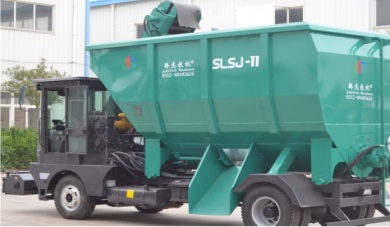
Reduce Feed Waste
Feed waste is a common issue on cow farms, leading to higher costs and inefficiencies. Leftover feed collectors tackle this problem by capturing and reusing feed that would otherwise go to waste. The ability to collect uneaten feed ensures that all feed provided to the cows is used to its fullest extent, ultimately reducing overall feed costs for the farm. For a farm that relies on purchasing large quantities of feed, this can result in substantial savings.
Environmental Benefits
Feed waste doesn’t just affect a farm’s profitability; it can also have a negative impact on the environment. Leftover feed that is not properly managed can attract pests and contribute to pollution. It can lead to contamination of soil, water, and air, particularly when it decays or is improperly disposed of. By using leftover feed collectors, cow farms can minimize waste accumulation, reduce pollution, and promote more sustainable farming practices. The system helps in maintaining a cleaner environment on the farm and around the surrounding areas.
Optimized Feed Efficiency
By collecting and reusing leftover feed, farmers can optimize their feeding strategies. Feed is a significant investment for any livestock operation, and maximizing feed efficiency is essential for improving the farm's overall performance. Leftover feed collectors allow farmers to adjust the amount of feed they provide based on actual consumption patterns, ensuring that cows receive the right amount of nutrients without excess feed wastage. This optimization leads to healthier cows and better growth rates, as well as improved milk production.
Cost Savings
One of the most immediate benefits of using a leftover feed collector is the potential for significant cost savings. By collecting uneaten feed and reintroducing it into the feeding system, farmers can reduce their dependence on purchasing additional feed. Feed costs are a major part of a cow farm's operating budget, so any reduction in feed waste directly translates to lower operating expenses. Over time, the investment in a leftover feed collection system pays for itself by reducing feed-related costs.
Improved Farm Management
Leftover feed collectors help improve overall farm management by providing valuable insights into feed usage and animal consumption patterns. Farmers can track how much feed is left behind, which enables them to adjust feeding schedules and amounts to optimize the cows’ diet. With more accurate feed management, farmers can make data-driven decisions that enhance the health and productivity of their livestock. This also allows for more efficient monitoring of feed usage across the farm, ensuring that resources are being used in the most effective manner.
Fewer Contaminants in Feed
Leftover feed can sometimes be contaminated with bedding, manure, or other waste products that may reduce its quality and make it unsuitable for reuse. Leftover feed collectors typically come equipped with filtering systems that separate feed from contaminants, ensuring that the collected feed is clean and safe for reuse. This reduces the risk of feeding animals spoiled or dirty feed, which could lead to health issues or lower productivity.
Benefit | Explanation |
Reduce Feed Waste | Collects and reuses uneaten feed, lowering feed costs and improving profitability. |
Environmental Benefits | Prevents feed waste from causing pollution, promoting sustainability. |
Optimized Feed Efficiency | Helps monitor feed intake, ensuring cows receive the right amount of feed. |
Cost Savings | Reduces the need for purchasing additional feed, saving money in the long run. |
Improved Farm Management | Provides insights into feed usage, enabling better decision-making and planning. |
Fewer Contaminants | Filters out contaminants from the feed, ensuring high-quality feed for animals. |
When selecting a leftover feed collector for your farm, there are several factors to consider to ensure the system meets your farm’s needs:
Farm Size: Larger farms with more cattle may need larger systems with higher capacity, while smaller farms may opt for more compact models.
Type of Feed: Some cows are more likely to leave certain types of feed, so choose a system that is adaptable to the feed types used on your farm.
Automation: Some systems are fully automated, while others may require manual oversight. Consider how much time and labor you’re willing to dedicate to managing the system.
Integration: Ensure the feed collector system integrates well with your existing feeding infrastructure for smooth operation and maximum efficiency.
At Qingdao JointTech Machinery Inc., we offer a wide range of leftover feed collection systems designed to suit farms of all sizes. Our systems are customizable and easy to integrate with your current feeding setups, helping you optimize feed usage and improve farm sustainability.
Leftover feed collectors are an essential tool for any cow farm aiming to improve feed efficiency, reduce costs, and boost sustainability. These systems provide numerous benefits, including minimizing feed waste, improving farm management, and ensuring cleaner feed for your livestock. By investing in a leftover feed collection system, you can enhance your farm’s profitability while contributing to more environmentally friendly farming practices.
If you’re looking to optimize feed collection on your cow farm, Qingdao JointTech Machinery Inc. offers high-quality systems designed to meet the unique needs of your operation. Contact us today to learn more about how our leftover feed collectors can help improve your farm’s efficiency and sustainability.
What are the main advantages of using a leftover feed collector on a cow farm?
A leftover feed collector reduces feed waste, lowers feed costs, enhances feed efficiency, and contributes to better farm management and sustainability.
How does a leftover feed collector work?
The system collects uneaten feed from cows, filters out contaminants, and stores the feed for reuse. This helps optimize feed usage and minimize waste.
Can leftover feed collectors be used with different types of livestock?
Yes, leftover feed collectors can be used with various types of livestock, including cows, pigs, and poultry, depending on the design and specifications.
How does using a leftover feed collector improve feed efficiency on a cow farm?
By collecting uneaten feed, the system ensures that all available feed is utilized effectively, preventing overfeeding or underfeeding and optimizing cow health and productivity.


