

Views: 0 Author: Site Editor Publish Time: 2026-03-23 Origin: Site


In modern dairy farms, manure is produced continuously throughout the day, especially in farms that keep a large number of cows. If the manure is not removed regularly, it can quickly build up on the barn floor and create dirty, wet, and unsafe conditions. Poor cleaning not only increases the risk of disease and hoof problems but also causes stress for the cows, which can reduce milk production and overall farm efficiency. Good hygiene is essential for maintaining animal health, milk quality, and a safe working environment for farm staff. To keep a stable cleaning schedule, many farms use a Cow Manure Collector, which allows manure to be removed quickly and regularly without using too much labor. With the help of proper equipment, farms can clean more often, keep the barn dry, and maintain better productivity every day.
Each dairy cow produces a large amount of manure every day, which makes regular cleaning necessary. On average, one cow can produce dozens of kilograms of waste daily, depending on feed, water intake, and farm conditions. Because manure is produced continuously, barns can become dirty quickly if cleaning is not done on time. This is why farms need efficient equipment such as a Cow Manure Collector to keep the barn clean.
The total amount of manure depends on the number of cows on the farm. A small farm with 50–100 cows produces much less waste than a large farm with several hundred cows. As the herd size increases, the cleaning workload grows quickly, and manual cleaning becomes difficult. Large farms usually need mechanical cleaning equipment to handle the daily manure volume and keep the barn in good condition.
Manure builds up fast because cows eat, walk, and rest in the barn all day. Feeding areas, walking alleys, and resting spaces get dirty within a short time. If manure is not removed regularly, the floor becomes wet and slippery, which can affect cow health and farm safety. Using a cow manure collector helps remove waste quickly and prevents excessive buildup.
Some small farms clean manure once per day, usually when the number of cows is low and the barn area is small. This method may be enough for small operations, but it requires more effort if manure accumulates during the day. Even in small farms, using a cow manure collector can make daily cleaning faster and easier.
Medium-sized farms often clean manure two or three times per day to keep the barn dry and comfortable. More frequent cleaning reduces manure buildup and improves hygiene. With a manure collector machine, farmers can complete each cleaning cycle quickly without interrupting other work.
Large dairy farms usually need to clean several times a day because the amount of manure is much higher. If cleaning is delayed, the barn can become dirty very quickly. Using a high-capacity cow manure collector allows the farm to keep up with the cleaning schedule and maintain good working conditions.
Modern dairy farms often use automatic cleaning systems together with a cow manure collector. Scraper systems or automatic collectors can clean the floor many times per day without much manual work. This helps keep the barn clean at all times and improves efficiency, especially in large-scale farms.
When manure stays on the barn floor for a long time, bacteria and harmful germs can grow quickly. Wet and dirty floors increase the risk of hoof problems, skin infections, and other health issues in dairy cows. If cleaning is not done regularly, cows may get sick more often and require more medical care. Using a Cow Manure Collector helps remove manure on time and keeps the barn in a cleaner and healthier condition.
Cows need a clean and dry place to walk, stand, and rest. Dirty floors can make cows uncomfortable and may cause stress or injuries. When the barn is cleaned frequently, cows can move more easily and stay in better condition. A cow manure collector allows farmers to clean the floor quickly, helping keep the barn comfortable and suitable for daily production.
Farm hygiene has a direct effect on milk quality and production. Cows that live in clean conditions are usually healthier and produce more milk. Dirty barns can lead to infections, which may reduce milk yield and affect quality. Regular cleaning with a cow manure collector helps maintain a stable environment and supports better productivity.
A clean barn is safer for both cows and workers. Manure buildup can make the floor slippery and increase the chance of accidents during feeding, milking, or moving animals. Frequent cleaning keeps the floor dry and reduces these risks. Using a cow manure collector makes it easier to keep the farm safe while maintaining efficient daily operation.
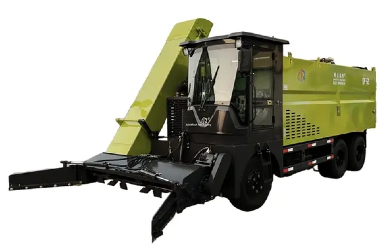
The number of cows on the farm is one of the most important factors that affects cleaning frequency. More cows produce more manure every day, which means the barn will get dirty faster and need to be cleaned more often. Small farms may only need to clean once a day, but large farms usually need several cleaning cycles. Using a Cow Manure Collector makes it easier to handle large amounts of manure and keep the barn clean.
Barn size and layout also affect how often manure should be removed. Long barns or farms with multiple alleys require more time to clean, so farmers may need to clean more frequently to prevent manure buildup. Narrow passages and complex layouts can slow down the cleaning process, making efficient equipment like a cow manure collector very important for maintaining a regular schedule.
Different floor types require different cleaning methods. Concrete floors are usually easier to clean, while rubber floors, bedding areas, or slatted floors may need more careful or more frequent cleaning. Farms that use bedding materials may also need additional cleaning to keep the surface dry. Choosing the right cow manure collector for the floor type helps maintain good cleaning efficiency.
Weather conditions can also affect how often manure should be cleaned. During wet or cold seasons, barns can become dirty faster because moisture makes manure spread more easily. In these conditions, farms often need to clean more frequently to keep the floor dry and safe. Regular cleaning with a cow manure collector helps maintain good hygiene in all seasons and keeps the farm running smoothly.
The best cleaning schedule depends on the number of cows, barn size, and the type of equipment used. Farms with more cows need to clean more frequently to keep the barn dry and safe. Using a Cow Manure Collector makes it easier to follow a regular schedule and maintain good hygiene. The table below shows a general cleaning schedule for different farm sizes.
Farm Size | Number of Cows | Recommended Cleaning Times | Suggested Equipment | Cleaning Method |
Small Farm | 50–100 cows | 1 time per day | Small manure collector | Manual / Semi |
Medium Farm | 100–300 cows | 2–3 times per day | Self-propelled collector | Semi-automatic |
Large Farm | 300–800 cows | 3–4 times per day | Large cow manure collector | Mechanical |
Very Large Farm | 800+ cows | Multiple times per day | Collector + scraper system | Automatic |
This schedule helps farmers choose the right cow manure collector and keep the barn clean without wasting time or labor.
When planning a cleaning schedule, farmers should also think about future herd size. Many farms increase the number of cows over time, which means more manure must be cleaned every day. Choosing a cow manure collector with a little more capacity than needed can help avoid replacing the machine later. This makes farm management easier as the farm grows.
Large farms often combine a cow manure collector with automatic scraper or cleaning systems. The scraper can clean the floor several times per day, while the collector removes manure from the storage area. This combination allows the farm to maintain a regular cleaning schedule with less labor and better efficiency, which is very important for modern large-scale dairy farming.
Manure buildup can cause disease, bad smell, slippery floors, and lower milk production.
Yes, most cow manure collectors are designed to work safely while cows are inside the barn.
Automatic cleaning is faster, safer, and more consistent, especially for medium and large dairy farms.
No, frequent cleaning with a manure collector usually reduces labor cost and improves productivity.
Regular manure cleaning is essential for keeping dairy farms healthy, efficient, and safe. Because cows produce waste every day, frequent cleaning is necessary to prevent dirty floors, reduce disease risk, and maintain good living conditions for the animals. Using a Cow Manure Collector makes it much easier to follow a stable cleaning schedule, especially on farms with a large number of cows. The machine allows manure to be removed quickly and consistently, which improves barn hygiene and reduces the need for heavy manual work. With better cleaning efficiency, farms can save labor, protect animal health, and keep daily operations running smoothly. For modern dairy farms that require high productivity and strict hygiene standards, a reliable cow manure collector has become an essential piece of equipment.


