

Views: 0 Author: Site Editor Publish Time: 2026-07-06 Origin: Site


Operating an agricultural machinery fleet without certified rollover protection exposes you to fatal incidents. It also carries severe regulatory penalties. This issue represents the single highest liability risk for modern farm operators today. Farm operations rely heavily on heavy equipment to maintain daily productivity. While modern machines feature Rollover Protective Structures (ROPS) from the factory, aging fleets often lack this critical infrastructure. Leaving legacy equipment unprotected creates dangerous gaps in overall farm safety. These gaps endanger workers and threaten long-term business continuity. This comprehensive guide provides farm owners and fleet managers a pragmatic framework. You will learn exactly how to evaluate ROPS compliance across your operation. We will unpack how you can successfully navigate strict OSHA requirements. Finally, you will discover actionable steps for making safe procurement decisions when retrofitting or upgrading equipment.
ROPS is not a standalone solution; it functions as a critical safety system only when paired with compliant seatbelt usage.
OSHA Standard 1928.51 mandates rollover protection for specific agricultural tractor models, with strict penalties for non-compliance.
"DIY" or uncertified welding of roll bars invalidates insurance policies and fails to meet federal safety standards; only OEM or NIOSH/OSHA-certified retrofit kits are viable.
Evaluating between retrofitting an older agricultural tractor and upgrading to a newer model requires analyzing fleet downtime, kit availability, and insurance premium impacts.
Tractor overturns remain a harsh reality in modern agriculture. They consistently rank as the leading cause of fatal farm injuries. Data from the CDC and NIOSH confirms this alarming trend. Overturns account for hundreds of operator deaths annually. These statistics do not exist to incite fear. They establish a verifiable baseline of daily operational risk. Modern farming requires moving heavy machinery across unpredictable terrain. Steep inclines and soft soils easily destabilize equipment. Without structural protection, an operator faces severe crushing hazards. A rollover happens in mere seconds. Human reaction time cannot prevent the machinery from flipping completely.
Operating without ROPS triggers immediate regulatory exposure. OSHA enforces strict safety mandates for agricultural operations. State-level workplace safety agencies often conduct targeted safety audits. Investigators actively look for unprotected machinery during inspections. Fines for non-compliance quickly escalate into thousands of dollars. More importantly, willful violations trigger immediate stop-work orders. These penalties disrupt planting or harvesting schedules severely. Your farm cannot afford unexpected operational shutdowns during critical seasons.
Unprotected equipment also drives up insurance and liability costs dramatically. Workers' compensation claims for rollover injuries drain business resources. Medical treatments and rehabilitation require massive payouts. Insurance carriers recognize this severe risk profile clearly. They scale liability premiums significantly for farms running unprotected fleets. Some insurers refuse coverage entirely for non-compliant machinery. Installing ROPS serves as a direct risk mitigation strategy. It stabilizes insurance rates and protects your business from devastating lawsuits.
Operational Risk Factor | Impact Without ROPS | Impact With Certified ROPS |
|---|---|---|
Operator Survivability | Extremely low during a rollover event | Over 99% when paired with seatbelt |
Regulatory Fines | High likelihood of severe OSHA penalties | Fully compliant; no penalty risk |
Insurance Premiums | Significantly scaled penalty rates | Stabilized or discounted rates |
Understanding federal mandates ensures your farm stays compliant. OSHA Standard 1928.51 dictates rollover protection requirements clearly. It mandates ROPS for farm tractors manufactured after October 1976. This standard applies to any modern Agricultural Tractor operated by employees. The legislation strictly requires testing and certification. Structures must withstand specific dynamic and static loads. You cannot just bolt metal to a chassis. The system must absorb massive energy during a sudden rollover. Compliance requires verified engineering standards.
Certain operational environments introduce exemptions and nuances. Standard ROPS rules do have specific legal exceptions. Low-profile tractors used in orchards or vineyards often qualify. The overhead clearance in these environments prevents standard vertical structures. Machinery operated exclusively inside buildings also faces different rules. However, these exemptions remain extremely narrow. You cannot apply them broadly across standard field operations. The moment an exempt machine leaves the orchard for general transport, rules change. Standard safety requirements immediately apply again.
The law places strict employer responsibilities on fleet owners. You must provide compliant machinery to your workforce. You must maintain the protective structures regularly. Employers must also train operators on seatbelt usage. Standard 1928.51 requires seatbelts on all ROPS-equipped tractors. You face full liability if an employee operates machinery unsafely. Documenting your safety training is crucial for legal defense. You must prove you actively enforced these rules on the farm.
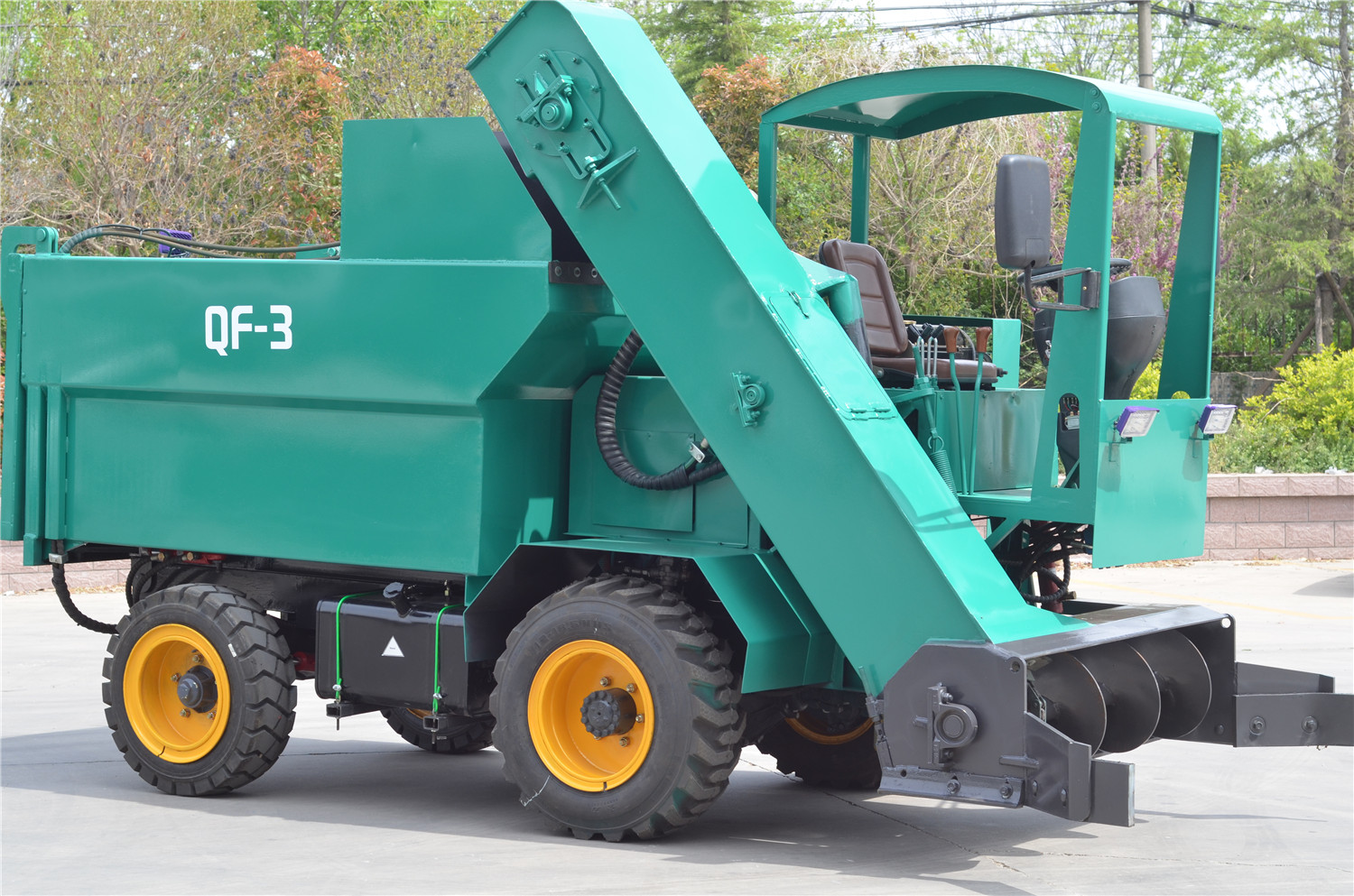
Farm operators face choices when securing older equipment. You must decide how to achieve safety compliance effectively. Let us explore the primary procurement paths available today.
Factory-installed systems offer the highest baseline of security. Engineers design these structures for specific machinery frames from day one. They guarantee structural integrity. You receive seamless warranty coverage directly from the manufacturer. The structure integrates perfectly with your specific tractor chassis. Operators enjoy better ergonomics and reduced vibration. However, these upgrades carry a higher upfront cost. Sometimes, manufacturers no longer produce kits for vintage models. This reality often requires a total equipment upgrade. Upgrading decades-old machinery requires significant capital investment.
Many organizations produce specialized retrofit solutions for legacy fleets. These kits undergo rigorous NIOSH and OSHA certification testing. They extend the lifecycle of legacy equipment effectively. Retrofits prove highly cost-effective compared to buying new machinery entirely. They keep reliable older engines working in the field safely. On the downside, you face limited availability for highly obscure models. Installation requires professional execution to maintain legal certification. You cannot simply bolt them on in a home garage. A certified mechanic must handle the installation.
Farm shops often possess impressive fabrication capabilities. However, welding your own rollover protection invites disaster. Locally welded steel bars do not qualify as ROPS. They fail to meet essential engineering realities. Certified structures rely on carefully designed crush-zones. They undergo severe dynamic load testing during the design phase. A heavy machine will instantly snap standard steel tubing. Uncertified welds crack under extreme stress. We explicitly state this liability warning: DIY solutions create a fatal liability. They provide a dangerous false sense of security. Uncertified modifications instantly invalidate your farm insurance policies.
Solution Type | Primary Advantage | Main Drawback | Legal Compliance Status |
|---|---|---|---|
OEM Upgrade | Optimal chassis integration | Highest upfront capital cost | Fully Certified |
Retrofit Kit | Highly cost-effective | Limited obscure model availability | Fully Certified (if installed correctly) |
DIY Welded Frame | Appears cheap initially | Massive fatal liability risk | Strictly Non-Compliant |
Rollover protection operates as an integrated system. A metal frame alone cannot save an operator during an emergency.
ROPS is mathematically and physically compromised without seatbelts. The operator must remain inside the protected clearance zone. During a rollover, centrifugal forces throw the driver outward rapidly. A roll bar becomes a massive crushing hazard during ejection. The machine can roll directly over the thrown operator. Seatbelts anchor the driver securely to the seat. They ensure the steel structure takes the deadly impact. Operating ROPS without a fastened seatbelt negates all safety benefits completely. It represents a critical behavioral failure on the farm.
Many operations require maneuvering in exceptionally tight spaces. Poultry houses and dense orchards have low overhead clearances. Manufacturers designed folding structures to offer flexibility here. You can lower the upper loop temporarily. However, this introduces significant operational risk immediately. Operators frequently fail to lock the bar back up. A lowered bar offers zero rollover protection. Consider these essential operational best practices:
Only lower the bar when actively entering the low-clearance zone.
Raise and lock the bar immediately upon exiting the restricted area.
Inspect locking pins daily for wear or missing components.
Never operate the machinery on slopes while the bar rests down.
Do not confuse weather enclosures with structural safety. Farm equipment often features aftermarket cabs. You must differentiate between weather-protection cabs and true ROPS cabs. Glass or fiberglass weather cabs only stop rain and wind. They shatter instantly under the weight of a flipping machine. They offer zero structural resistance during an accident. True ROPS-certified cabs feature heavily reinforced steel pillars. They maintain the operator crush-proof zone under massive loads. Always check the certification plate inside the cabin. Never assume an enclosed cab provides automatic rollover defense.
Transitioning a legacy fleet requires a highly structured approach. Follow these methodical steps to achieve complete safety compliance.
Fleet Audit: Begin by mapping your current machinery inventory thoroughly. Walk through every shed and barn on site. Note the make, model, and year of each machine. Document the current rollover protection status meticulously. Identify which Agricultural Tractor needs immediate safety attention. Take photos of existing structures to check for structural rust. Categorize your entire fleet by risk level and daily usage frequency.
Sourcing Certified Kits: Use centralized databases to find exact-match retrofit kits. University-backed safety centers maintain excellent compatibility lists online. Look for state-funded ROPS rebate programs. The National ROPS Rebate Program can offset significant expenses. They provide up to 70% of the kit and installation costs. Match your specific chassis numbers carefully. Never purchase a generic kit claiming universal fitment.
Installation & Validation: Establish strict protocols for the actual installation process. Do not let farmhands install safety structures. Use authorized dealerships or certified-mechanic installations only. This ensures legal compliance and validates your insurance coverage perfectly. Professionals properly torque every mounting bolt to factory specifications. Request a formal installation certificate for your safety compliance records.
Operator Enforcement: Hardware fixes mean nothing without strong behavioral changes. Implement a zero-tolerance fleet policy immediately. Mandate seatbelt usage for every single farm task. Prohibit driving with lowered folding structures outside specific zones. Train your team on the brutal physics of equipment rollovers. Make safety checks part of the mandatory daily startup routine. Send workers home if they bypass safety systems intentionally.
Investing in rollover protection remains a non-negotiable operational baseline. It actively protects both your human capital and your business continuity. Waiting for a tragic accident to force compliance invites disaster. Outdated machinery does not justify ignoring modern safety standards. The risks of non-compliance far outweigh the costs of retrofitting.
Take immediate control of your operational risk today. Conduct a comprehensive fleet audit this week. Contact your local equipment dealer to explore certified retrofit options. Finally, consult your insurance agent about potential premium reductions. Taking these proactive steps secures your farm's future effectively.
A: No. OSHA certification standards strictly prohibit DIY rollover structures. Certified ROPS undergo severe dynamic load testing to ensure they absorb impact energy correctly. Locally welded steel frames fail under the massive weight of a flipping machine. Uncertified DIY builds create a fatal crushing hazard and immediately invalidate your insurance policies.
A: Yes. The National ROPS Rebate Program frequently covers up to 70% of the costs for kits and professional installation. Many states also offer localized agricultural safety grants. You should consult your state's agricultural extension office to secure available funding.
A: While manufacturers support many legacy machines, highly obscure or vintage models often lack certified retrofit kits. If no certified kit exists, you face a difficult choice. You must weigh the liability of operating unprotected equipment against the cost of retiring the machine entirely.
A: No. Standard weather cabs utilize glass, plastic, or fiberglass strictly for environmental comfort. They shatter instantly during an overturn. True ROPS-certified cabs feature engineered steel pillars designed specifically to prevent operator crushing. Always verify the ROPS certification plate inside the cabin.


