


Inefficient livestock handling directly impacts operational profitability on any ranch or feedlot. Every extra minute spent wrestling an uncooperative animal increases stress-induced shrinkage. This wasted time consumes valuable labor resources. Worse still, poor restraint systems drastically elevate the risk of severe operator injury. We must look beyond basic definitions of containment pens. Operators looking to upgrade, replace, or invest in handling equipment need a strict evaluation framework.
This article provides that exact framework. You will learn how to analyze key mechanical features, weigh manual against hydraulic mechanisms, and assess safety protocols. A high-quality Cattle Chute is not just a holding pen. It is a critical piece of veterinary and operational infrastructure. You must match this equipment precisely to your herd size, labor availability, and facility safety requirements.
A cattle chute (or squeeze chute) is an essential restraint system designed to safely immobilize cattle for medical treatment, branding, and routine husbandry.
The primary decision in chute selection is between manual and hydraulic mechanisms, dictated largely by herd size and processing frequency.
Evaluating a chute requires assessing four critical failure points: headgate operation, squeeze mechanism style, vet/handler access, and flooring traction.
Institutional safety data highlights that upgrading to modern, low-stress handling equipment significantly reduces operator injury and minimizes herd bruising.
You must define this equipment strictly by its utility. A modern handling apparatus applies safe, even pressure to an animal. This action immobilizes the livestock efficiently. It minimizes panic and physical risk for both the animal and the handler. It goes far beyond simple containment. The mechanism actively holds the animal steady. This precise control is vital for complex veterinary procedures and routine herd maintenance.
We connect mechanical functions directly to tangible business outcomes. Proper immobilization improves your bottom line immediately. First, it reduces processing time per head. Faster processing means less labor cost. Second, it lowers veterinary costs. Vets can work safely and finish faster when animals are properly secured. Third, it significantly decreases "shrink." Shrink refers to the physical weight loss caused by handling stress. Less stress means more preserved beef weight. This weight translates directly to higher market returns.
Standard holding pens are insufficient for modern operations. You need adjustable squeeze mechanics. These adjustable features are mandatory because herd sizes vary wildly. An operation often handles small calves and mature bulls on the same day. Passive containment allows cattle to thrash. Thrashing leads to bruising and broken equipment. A proper squeeze mechanism hugs the animal securely. This physical pressure calms the livestock instantly. It mimics natural herd pressure. It eliminates the open space animals use to build momentum for an escape attempt.
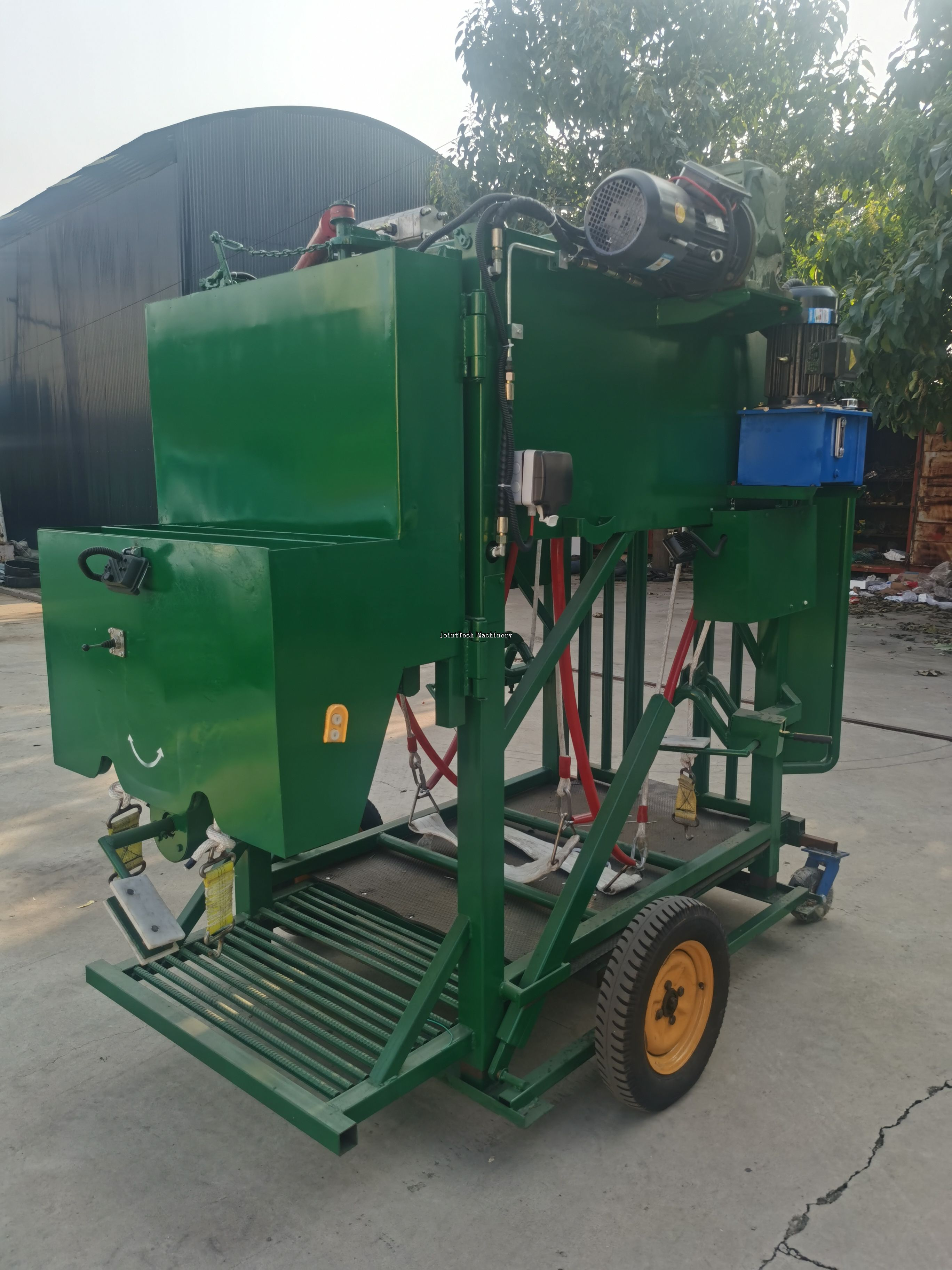
Manual units operate entirely through physical leverage. Handlers pull levers and throw latches manually to secure the animal. These units rely on basic mechanical advantage.
Ideal Use Case: These units serve small to mid-sized operations best. If you manage under 200 head of cattle, manual equipment often suffices. They fit perfectly for operations processing cattle infrequently.
Pros: You benefit from a lower initial capital expenditure. They require very little mechanical maintenance. You never need a power source, making them ideal for remote pastures.
Risks/Drawbacks: They cause high operator fatigue during long working days. You must stand in closer proximity to the animal. This proximity increases injury risk if you mistime the headgate closure.
Hydraulic models utilize fluid power to open and close gates. Operators control the entire process via stationary remote levers. This power replaces physical human force entirely.
Ideal Use Case: You see these primarily in large feedlots. Commercial cow-calf operations and ranches processing cattle weekly rely on them heavily.
Pros: You gain infinite pressure adjustments. They provide an extreme reduction in operator fatigue. You achieve much faster processing speeds. Remote levers guarantee safer operation by distancing you from the livestock.
Risks/Drawbacks: They demand a high upfront investment. You must provide a reliable power source, like an electric or gas motor. Hydraulic fluid requires ongoing maintenance. Inexperienced operators face the potential of over-pressurizing an animal.
Mechanism Comparison Chart
Feature | Manual Mechanisms | Hydraulic Mechanisms |
|---|---|---|
Processing Volume | Under 200 head (Infrequent) | Over 200 head (Weekly/Daily) |
Operator Fatigue | High | Very Low |
Power Requirement | None | Electric or Gas Motor |
Maintenance Focus | Greasing hinges, spring checks | Fluid levels, hose integrity, motors |
You must carefully evaluate the headgate. It serves as the primary restraint point. You can choose between self-catch and manual friction designs. Your choice dictates your labor requirements. A self-catch gate allows single-person operation. The animal pushes its shoulders against the mechanism to trigger the lock. However, cattle must move confidently into the space. A manual friction gate requires a dedicated operator to pull a lever. This manual action catches unpredictable or slow-moving animals much more safely.
Evaluate exactly how the equipment applies pressure. Parallel squeezes support the animal fully along both sides. They pull the side panels in evenly. This parallel motion prevents the animal from losing balance. It greatly reduces bruising and panic. Older V-style models pinch the bottom closer together. V-style mechanics often throw cattle off balance. Animals easily choke or fall in a V-style setup. Modern operations strongly favor parallel designs.
You must review side-panel drop-downs and neck access points. Handlers need fast access for branding, castrating, and vaccinating. Side panels should drop quietly and easily. Neck extenders keep the head completely still for safe injection. Furthermore, palpation cages at the rear are non-negotiable for modern breeding programs. Vets require this protected rear access for artificial insemination (AI) and pregnancy checking. A good cage swings wide and locks securely.
Flooring materials dictate entry speed. You generally choose between cleated steel and ribbed rubber. Rubberized flooring provides superior hoof traction. Good traction prevents cattle from slipping and panicking. Additionally, rubber floors drastically reduce metal clanking. You should look for equipment utilizing nylon bushings on all hinges. Less noise prevents cattle from balking at the entrance. Quiet equipment promotes smooth, fast cattle flow through the alleyway.
You must identify pinch points and crush zones before operating any equipment. These zones exist wherever moving metal panels meet. Heavy levers can snap back rapidly. You should strictly follow standard agricultural safety guidelines regarding tailgate and head-catch operations. Keep your arms clear of the side panels during the squeeze phase. Instruct all new farmhands on proper stand-clear zones. Never stand directly in front of the exit gate when releasing an agitated bull.
Common Mistake: Reaching through the bars to encourage a stubborn animal.
Best Practice: Use sorting sticks or fiberglass prods from outside the safety perimeter.
Modern equipment aligns closely with low-stress handling frameworks. Industry experts recognize Temple Grandin's principles as the gold standard here. Her research proves that calm cattle yield better meat. Equipment causing visible bruising results in docked carcass values. Excessive force damages poor herd health over time. Smooth side panels prevent hip injuries. Proper squeeze pressure calms the central nervous system. A well-designed Cattle Chute protects both your investment and the animal's welfare simultaneously.
Address the hidden costs of ownership realistically. Farm equipment degrades rapidly in harsh weather. You must grease hinges routinely to prevent seizing. You must check hydraulic lines for weather degradation and cracking. Latch springs frequently stretch out over time. Ensure these springs do not fail during peak processing seasons. A broken latch during weaning season halts your entire operation. Keep spare springs and basic replacement parts in your barn. Clean out mud and manure from the floor tracks after every major working day.
You must audit your specific operation before browsing catalogs. A one-man operation with 50 head requires a very specific setup. You likely need a manual, self-catch system. Conversely, a large feedlot processing 500 head a day needs entirely different tools. They require heavy-duty hydraulics and dedicated operators. Do not overbuy, but never under-equip a busy crew.
Evaluate your current working pens. The new unit must integrate smoothly with existing alleyways. It needs to align properly with sweep tubs and loading ramps. Measure your alley widths carefully. A mismatch here causes dangerous bottlenecks. Cattle will balk if the transition from the alley to the main unit looks unnatural or narrow.
Frame your purchase through return on investment. Do not simply look at the sticker price. A more expensive, durable unit pays for itself quickly. If a premium unit prevents one major operator injury, it proves its worth immediately. If it saves 30 seconds per head, those labor savings accumulate fast. You usually recover the premium cost within 3 to 5 years.
Evaluate the manufacturer's credibility thoroughly. You need replacement parts readily available locally. Shipping heavy steel parts across the country takes weeks. Downtime during weaning or vaccination protocols is financially damaging. Ask local dealers about their service response times. Confirm they stock hydraulic hoses, springs, and custom latches for your specific model.
Recognize this purchase as a long-term capital investment tied directly to farm profitability and safety.
Move beyond baseline price tags and prioritize evaluating mechanical access, pressure dynamics, and operator safety zones.
Audit your current handling times and labor bottlenecks immediately to determine if you need manual or hydraulic upgrades.
Consult with local livestock equipment dealers to physically test gates, latches, and access points before finalizing any purchase.
A: A holding pen provides passive containment, merely keeping animals in a confined area. A modern handling apparatus uses active immobilization. It features adjustable squeeze mechanisms to securely hug and restrain the animal, preventing movement during veterinary procedures.
A: Yes, one person can operate it if it features a self-catch headgate and rear-control levers. The animal secures itself by pushing into the gate. However, safety risks increase when working alone, especially with unpredictable or heavy livestock.
A: Manual models typically range from $3,000 to $7,000, depending on steel gauge and features. Hydraulic models represent a larger investment, generally costing between $12,000 and $25,000. Prices fluctuate based on custom palpation cages and power units.
A: A heavy-duty steel unit can last 15 to 20 years with proper maintenance. Lifespan depends heavily on the gauge of the steel, exposure to harsh weather elements, and how strictly you adhere to routine greasing and cleaning schedules.


