

Views: 0 Author: Site Editor Publish Time: 2026-01-26 Origin: Site


Livestock farming has long been a crucial part of the agricultural industry, with feed management being one of the most critical aspects of farm productivity. The challenge of efficiently collecting and utilizing leftover feed has been a constant for farmers. Leftover feed, if not properly managed, often goes to waste, contributing to higher feed costs and environmental concerns. However, with the advent of leftover feed collectors, livestock farmers now have a solution that not only minimizes waste but also enhances productivity.
In this article, we’ll explore how leftover feed collectors can significantly improve feed management, reduce waste, and optimize livestock farm operations. By understanding the role of this equipment in livestock farming, farm owners can make better-informed decisions on how to streamline their operations and achieve more sustainable, cost-effective solutions.
At Qingdao JointTech Machinery Inc., we specialize in providing high-quality leftover feed collectors designed to meet the specific needs of livestock farms. Our solutions help farmers optimize their feed collection systems while maximizing productivity and minimizing waste.
A leftover feed collector is a specialized piece of equipment used to collect unused or leftover feed after livestock have finished eating. These systems work by gathering uneaten feed, which would typically go to waste, and either redistributing it to other animals or storing it for future use. This prevents feed waste and ensures that all resources are being used effectively.
The leftover feed collection process helps farmers to make the most out of their feed investment while maintaining the health and well-being of their livestock. By ensuring that no feed goes to waste, these systems help reduce costs and contribute to a more sustainable farming operation.
Reduction of Feed Waste
One of the most apparent and important benefits of using leftover feed collectors is the reduction in feed waste. Feed is often one of the highest costs for livestock farms, and every bit of wasted feed directly impacts the profitability of the farm. Leftover feed that is not collected and reused contributes to unnecessary expenses. By implementing a leftover feed collector, farms can significantly reduce the amount of feed they need to purchase, cutting operational costs substantially.
Key Benefit: Reduced feed costs through more efficient feed collection and recycling.
Over time, the savings from using a leftover feed collector can be significant, especially for larger farms that deal with high volumes of feed. The system ensures that no feed goes to waste, thus maximizing every pound or kilogram of feed purchased. As a result, farmers can allocate more resources to other areas of the farm, such as improving livestock health or investing in other productivity-enhancing technologies.
Improved Feed Efficiency
Leftover feed collectors play a key role in optimizing feed use across the farm. By collecting and reusing leftover feed, farms ensure that all the feed provided to livestock is consumed or repurposed, thus minimizing waste. This results in more efficient use of resources, as the feed is managed more effectively. Additionally, leftover feed collectors allow farms to monitor and control how much feed is being given to each animal, preventing overfeeding or underfeeding.
Key Benefit: Better nutritional management and reduced waste.
Proper feed management contributes to the overall health and well-being of livestock. By ensuring that livestock receive the correct amount of nutrition without overfeeding, farmers can help improve livestock growth rates and productivity. Furthermore, this reduces the risk of feed imbalances, which could lead to health problems and reduced output. Therefore, the efficient reuse of leftover feed ensures that animals receive balanced nutrition, supporting their overall health and productivity.
Sustainability and Environmental Benefits
Sustainability is becoming an increasingly important factor in agriculture and farming. Wasting feed not only impacts the financial health of the farm but also has an environmental cost. The production, transport, and disposal of feed contribute to greenhouse gas emissions, resource depletion, and waste generation. By implementing leftover feed collectors, farms can reduce waste and contribute to a more sustainable and eco-friendly farming operation.
Key Benefit: Reduces the farm’s environmental impact by minimizing waste and conserving resources.
Leftover feed collectors contribute to a more sustainable farming practice by ensuring that feed is reused rather than discarded. This helps to lower the overall environmental footprint of the farm, which is becoming an important consideration for consumers and regulatory bodies alike. By conserving resources and minimizing waste, farms can improve their sustainability practices while also improving their public image.
Enhanced Farm Productivity
By improving feed management and reducing waste, leftover feed collectors have a direct positive impact on farm productivity. A consistent and reliable feed collection system ensures that livestock always have access to enough feed, allowing them to grow efficiently and remain healthy. When feed is managed properly, the farm can maintain optimal nutrition for animals, which, in turn, leads to better growth rates, higher production, and healthier livestock.
Key Benefit: Improved overall farm productivity by ensuring efficient use of feed.
In addition, the ability to recycle leftover feed means that farms can maintain a continuous, streamlined feeding process. This not only helps with the nutrition of livestock but also improves the operational efficiency of the farm. Less time is spent on monitoring or replacing feed, allowing farm managers to focus on other important tasks that enhance the productivity of the farm. Whether in terms of milk production, meat growth, or overall animal health, managing feed efficiently boosts overall farm output.
Cost Reduction in Labor
Another often overlooked benefit of using leftover feed collectors is the reduction in labor costs. Traditionally, leftover feed would need to be manually collected, sorted, and either discarded or reused. This could be a time-consuming and labor-intensive process. With a leftover feed collector, the need for manual labor is significantly reduced. The system automatically collects and stores the feed, reducing the time spent on this task and enabling farm workers to focus on more important duties.
Key Benefit: Reduction in labor costs due to automation.
By automating the collection process, the farm can not only save time but also reduce the number of workers required to perform routine tasks. This means less overhead costs and more time for workers to contribute to other critical areas of farm management, such as ensuring the health of the livestock, monitoring animal conditions, and improving farm infrastructure.
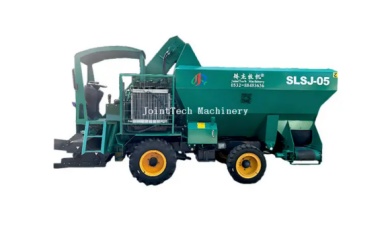
The operation of a leftover feed collector typically involves a system of conveyor belts, vacuum mechanisms, or augers that collect unused feed from feeding areas after livestock have finished eating. The collected feed is then either moved to a storage area for later use or returned to the feeding system. Some advanced systems even allow the feed to be reintroduced into the feeding process without compromising quality.
Key Features of Leftover Feed Collectors:
Automated Collection: Most systems operate automatically, reducing labor costs and ensuring efficient feed collection.
Adaptability: These systems can be customized to work with different feed types, including grains, silage, and prepared feed.
Easy to Use: The simple design of leftover feed collectors makes them easy to operate, clean, and maintain.
Hygiene Control: Many systems are designed to keep the collected feed free from contaminants, ensuring that only clean feed is reused.
Selecting the right leftover feed collector is crucial to maximizing the benefits of this equipment. Several factors need to be considered when making your choice:
Factor | Considerations |
Farm Size | Larger farms may require more advanced, automated systems. |
Type of Feed | Ensure the system is compatible with the types of feed used on your farm. |
Automation | Determine if you need a fully automated system for ease of operation. |
Maintenance Needs | Choose a system with easy maintenance and cleaning options. |
Cost Efficiency | Compare the cost of the equipment with the expected savings in feed usage. |
The implementation of leftover feed collectors on livestock farms provides several advantages, including reduced feed waste, increased feed efficiency, and enhanced productivity. These systems contribute to the farm's sustainability efforts, improve animal health, and reduce operational costs. With the right leftover feed collector, farmers can optimize their resources, leading to long-term cost savings and more efficient farm management.
At Qingdao JointTech Machinery Inc., we are committed to providing high-quality equipment tailored to the needs of modern livestock farms. Our leftover feed collectors are designed to optimize feed management and help you achieve better performance in your farming operations. For more information on how our products can benefit your farm, feel free to contact us today.
What is a leftover feed collector?
A leftover feed collector is a machine that collects unused feed from livestock feeding areas and reuses it, reducing waste and improving feed efficiency.
How does a leftover feed collector work?
It uses systems like conveyor belts, vacuums, or augers to collect and redistribute leftover feed, ensuring that no feed is wasted.
What types of feed can be used with leftover feed collectors?
These systems are compatible with various types of feed, including grains, silage, and prepared feeds.
Why should I invest in a leftover feed collector?
Investing in this equipment reduces feed waste, improves feed efficiency, lowers costs, and contributes to more sustainable farming practices.


