

Views: 0 Author: Site Editor Publish Time: 2026-01-29 Origin: Site


In today’s agricultural world, sustainability is becoming an increasingly important focus. Farms, particularly livestock farms, are constantly seeking ways to improve efficiency and minimize waste. One of the most significant challenges faced by farmers is managing feed waste. Leftover feed not only represents wasted resources, but it can also have a negative environmental impact if not handled properly. This is where leftover feed collectors come in.
These innovative devices are designed to collect and store leftover feed, reducing waste and optimizing feed usage. By implementing a leftover feed collector on your farm, you can make a significant positive impact on both your farm’s bottom line and the environment. This article will explore how leftover feed collectors work, their benefits, and how they can boost your farm’s sustainability. We’ll also dive into the key advantages of using these systems to help reduce feed waste and improve overall farm management.
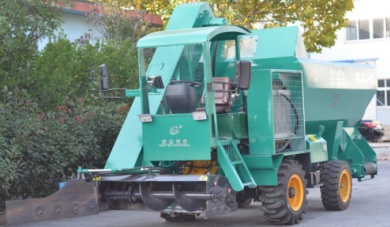
A leftover feed collector is a machine that collects uneaten feed left by livestock in feeding systems. These devices are often installed in automated feeding systems, where they can efficiently collect feed that animals haven’t consumed. The system uses a combination of conveyors, collection bins, and sometimes augers to gather and store the leftover feed for reuse.
The process is relatively simple:
Collection: As livestock consume their feed, any leftover material is automatically funneled into the collector system.
Separation: The collector separates uneaten feed from waste products such as bedding, manure, or other contaminants.
Storage: The collected feed is stored in a designated container or bin, ready to be used again.
Reuse: Depending on the quality of the leftover feed, it can be reintroduced into the feeding system or repurposed as feed for different livestock.
The technology behind leftover feed collectors has improved over the years, with modern versions offering greater efficiency, ease of use, and more options for integration with other farm systems.
Reduce Feed Waste
The most obvious and significant benefit of using a leftover feed collector is its ability to reduce feed waste. In farming, feed costs are a major component of operating expenses, and wasted feed represents a direct loss of money. Any feed that goes uneaten by livestock contributes to unnecessary costs. A leftover feed collector efficiently collects and reuses leftover feed, ensuring that every bit of feed is put to good use. By recycling leftover feed, farmers can significantly decrease the amount of wasted feed, leading to lower feed costs and improved overall profitability. With rising feed prices, this can be a game-changer for the farm's financial health.
Environmental Impact
Feed waste not only negatively affects a farm’s financials but can also have detrimental effects on the environment. When leftover feed is left to decay in the open, it can lead to water and soil contamination, attract pests, and contribute to greenhouse gas emissions. Improper disposal of feed can pollute local water sources, and decomposing feed in large quantities can produce harmful methane. By using a leftover feed collector, farmers ensure that feed waste is properly managed and not left to harm the environment. Instead of allowing feed waste to pollute the land or water, it is gathered, stored, and often recycled, making the process more environmentally friendly. This contributes to a more sustainable farming operation by minimizing waste and reducing the environmental footprint of the farm.
Enhanced Feed Efficiency
By collecting leftover feed, farmers can optimize their feeding strategy. It provides valuable insights into how much feed is consumed and how much is left behind. This allows farmers to adjust their feeding systems to ensure that animals are receiving the right amount of feed, neither too much nor too little. Reusing leftover feed ensures that livestock consume an appropriate amount, contributing to better health and more efficient growth. Moreover, optimizing feed usage leads to a more balanced feeding strategy, which can result in healthier livestock, improved weight gain, better feed conversion rates, and ultimately higher productivity. Enhanced feed efficiency also helps farmers avoid overfeeding or underfeeding, which can negatively affect animal performance and health.
Cost Savings
Implementing a leftover feed collection system can result in significant long-term cost savings. By collecting uneaten feed and reintroducing it into the feeding system, farmers can reduce their reliance on purchasing additional feed. With feed accounting for a substantial portion of a farm's budget, reducing the need for extra feed can greatly lower operating expenses. Over time, the initial investment in a leftover feed collector will pay for itself through these cost savings. This makes it a smart and economical choice for farms of all sizes. Additionally, by preventing feed waste, farms can also lower their disposal costs, as less feed needs to be thrown away or handled as waste.
Improved Farm Management
Leftover feed collectors offer more than just waste reduction—they also help farmers better manage their feeding systems. By monitoring the amount of feed left over, farmers can gain valuable insights into their livestock's feeding patterns and behaviors. This data allows farmers to make informed decisions about how much feed is being provided, how to adjust feeding times or amounts, and how to improve the overall feeding process. As a result, farms can achieve more accurate and efficient feed management, which directly contributes to improved animal care, enhanced productivity, and better overall farm management. The ability to monitor feed consumption and adjust strategies based on real-time data is an important tool for optimizing farm operations.
Fewer Contaminants
Leftover feed can often be contaminated with bedding, manure, or other waste products from the feeding process. This can make the leftover feed unsuitable for reuse, as contaminated feed could pose a risk to livestock health. Leftover feed collectors are designed with built-in filtering systems to separate uneaten feed from these contaminants, ensuring that the collected feed remains clean and safe for reuse.
Benefit | Explanation |
Reduce Feed Waste | Minimize unnecessary feed costs by collecting uneaten feed for reuse. |
Environmental Impact | Prevent pollution and waste through efficient feed collection and recycling. |
Enhanced Feed Efficiency | Optimize feed usage by reintroducing collected feed and improving livestock growth. |
Cost Savings | Save on feed costs by recycling uneaten feed and reducing the need for additional purchases. |
Improved Farm Management | Gain better control over feeding systems and animal health through accurate monitoring. |
Fewer Contaminants | Separate feed from waste materials to ensure collected feed is clean and safe for reuse. |
Selecting the right leftover feed collector depends on several factors specific to your farm. When choosing a system, consider the following:
Farm Size: Larger farms may require more robust, high-capacity systems to handle the volume of feed and livestock. Smaller farms might benefit from more compact models.
Animal Type: Different animals have different feeding habits and leftover feed amounts. Be sure to choose a system that’s tailored to the types of animals on your farm.
Automation Level: Some leftover feed collectors are fully automated, while others require more manual oversight. Consider how much labor you are willing to invest and whether automation is a priority for your operation.
Integration with Existing Systems: Many farms already use automated feeding systems. Ensure that the leftover feed collector you choose can seamlessly integrate with your current system for maximum efficiency.
At Qingdao JointTech Machinery Inc., we offer a wide range of leftover feed collectors designed to suit farms of all sizes and needs. Our solutions are customizable to meet the specific requirements of your farm, whether you’re looking for a high-tech automated system or a simpler, more cost-effective solution.
Leftover feed collectors are an essential tool for modernizing your farm and boosting sustainability. They provide numerous benefits, including reducing feed waste, improving feed efficiency, saving costs, and reducing environmental impact. By implementing a leftover feed collection system on your farm, you can make a positive impact on both your farm’s profitability and its environmental footprint. If you’re ready to take the next step in improving your farm’s sustainability, contact Qingdao JointTech Machinery Inc. today to learn more about how our innovative feed collection systems can benefit your operation.
What are the main benefits of using a leftover feed collector?
Leftover feed collectors help reduce feed waste, save on feed costs, improve farm efficiency, and reduce environmental impact by ensuring feed is properly managed and reused.
Can leftover feed collectors be used with all types of livestock?
Yes, leftover feed collectors can be customized to work with various types of livestock, including cattle, pigs, and poultry, depending on their feeding habits and system needs.
How does a leftover feed collector improve feed efficiency?
By collecting uneaten feed, leftover feed collectors ensure that all available feed is used, preventing overfeeding or underfeeding, which improves overall feed efficiency and livestock growth.
Are leftover feed collectors easy to maintain?
Yes, leftover feed collectors are designed for easy maintenance. Regular cleaning and minimal adjustments are usually sufficient to keep the system running smoothly.


