

Views: 0 Author: Site Editor Publish Time: 2026-11-16 Origin: Site


Running a profitable livestock operation demands more than just early mornings and hard work. It requires strategic mechanical investments. For dairy farms, sprawling cattle ranches, and intensive poultry facilities, handling animal waste is a relentless daily grind. But what if that costly burden could become a high-value agricultural resource?
Integrating a high-quality manure spreader is a transformative operational decision. In this guide, we will break down the profound benefits of these machines. We will detail how they elevate farm hygiene, drastically boost crop yields, and protect your bottom line. Specifically, we will examine how pairing your waste management tools with a reliable Livestock Feed Spreader creates a seamless closed-loop system for your farm. If you are currently weighing the financial merits of upgrading your machinery fleet, this breakdown provides the technical clarity needed to make an ROI-driven decision.
Maximized Operational Efficiency: Mechanized spreaders drastically reduce manual labor. This mitigates worker fatigue and frees up hours for higher-value herd management tasks.
Substantial Fertilizer Cost Savings: By evenly broadcasting nutrient-dense manure, farms aggressively recycle organic matter. This significantly cuts reliance on expensive synthetic chemical fertilizers.
Enhanced Animal Health and Welfare: Consistent waste removal prevents the dangerous accumulation of harmful pathogens. It directly improves cattle comfort and lowers the incidence of costly hoof and udder diseases.
Input and Output Synergy: Operating a manure spreader alongside a dedicated dairy farm livestock feed spreader optimizes both the nutritional input and the waste output cycles of the livestock lifecycle.
Long-Term Financial Return: Selecting equipment with the correct capacity, terrain adaptability, and robust corrosion resistance ensures the machinery pays for itself many times over its lifespan.
The agricultural sector is currently experiencing a massive pivot toward circular farming economies. Global synthetic fertilizer prices remain highly volatile, and supply chains are increasingly unpredictable. Consequently, livestock operators are viewing manure as a premium commodity rather than a disposal liability. The current market trajectory heavily favors precision application technology.
Modern farms leverage mechanized spreaders to map field nutrient deficiencies and apply organic waste with pinpoint accuracy. This strategic shift not only slashes chemical input costs but also aligns perfectly with increasingly stringent environmental regulations regarding phosphorus runoff into local watersheds. Mechanization is no longer a luxury; it is a fundamental requirement for sustainable farm management.
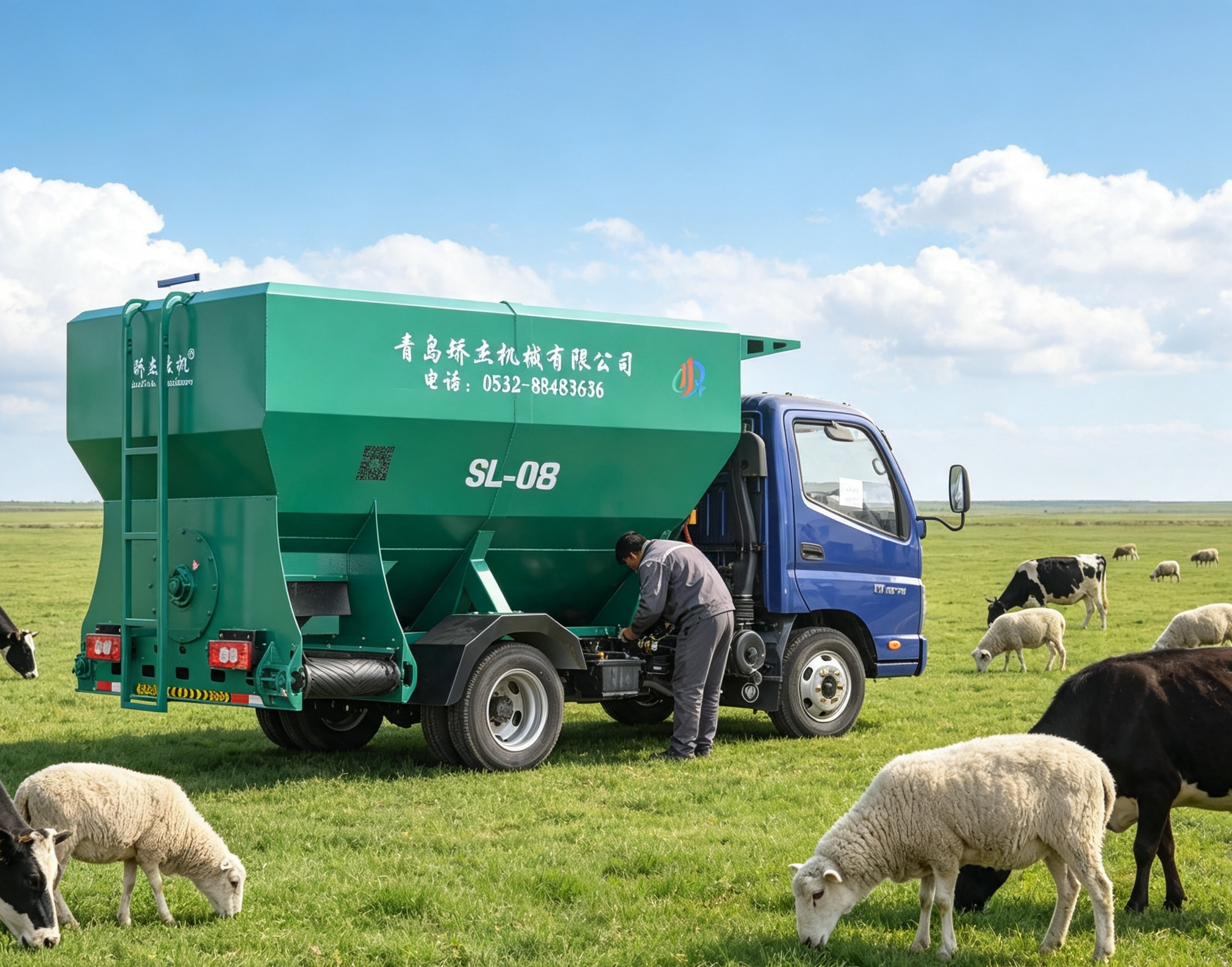
Effective agricultural management is rooted in precision. Waste handling is no exception to this rule. A manure spreader is a specialized piece of heavy agricultural machinery engineered to transport animal waste from barns or lagoons and distribute it uniformly over crop fields. Rather than treating manure as a disposal nightmare, modern farming utilizes the spreader as a critical soil amendment tool.
There are distinct structural variations of this equipment tailored for specific environmental conditions. Solid spreaders utilize heavy-duty chain conveyors to pull bedding-mixed waste toward aggressive rear beaters that shred and broadcast the material. In contrast, liquid spreaders are designed for the high-moisture waste typical of large dairy parlor flush systems. These units utilize powerful vacuum or centrifugal pumps to discharge liquid through calibrated nozzles.
The driving mechanism also dictates field performance. Power Take-Off driven spreaders harness the tractor engine power to rotate the beaters. This delivers a consistent spread pattern regardless of ground speed. Conversely, ground-driven units rely on the traction of their own wheels to turn the gears. Ultimately, modern spreaders are highly calibrated instruments designed to ensure the biological output of your herd is utilized to its absolute maximum potential.
Transitioning from manual scraping to a fully mechanized spreading system yields immediate improvements across the board. Below are the primary efficiency benefits observed by professional livestock managers and equipment engineers.
Picture the daily routine on a mid-sized dairy farm. Scraping thick slurry from the feeding alleys takes exhausting hours by hand. An automated spreader allows a single operator sitting comfortably in a tractor cab to clear a facility and fertilize a pasture in a fraction of that time. This sharp reduction in intense physical labor mitigates chronic worker fatigue and lowers the risk of workplace injuries.
Time is arguably the most constrained resource in agriculture. By accelerating the waste removal workflow, farmhands are liberated to focus their expertise on revenue-generating tasks. Whether it is monitoring herd health, repairing milking infrastructure, or optimizing feed rations, the speed of a mechanized spreader ensures muck management never becomes an operational bottleneck.
Dumping manure in concentrated piles is highly detrimental. It leads to localized nitrogen toxicity that burns crops while leaving the surrounding soil barren. Spreaders are equipped with horizontal or vertical augers that aggressively shred clumped waste. They broadcast it in a fine, uniform layer. This mechanical consistency is vital for balanced crop germination and uniform field growth.
Efficiency in logistics directly translates to reduced overhead. High-capacity spreaders minimize the endless trips required between the storage lagoon and the field. Fewer trips mean drastically lower diesel fuel consumption. Furthermore, it reduces the punishing wear and tear on tractor engines, transmission systems, and expensive agricultural tires.
The true economic value of livestock manure is frequently underestimated. When applied with mechanical precision, it serves as the ultimate organic fertilizer. It delivers a comprehensive spectrum of macronutrients, namely Nitrogen, Phosphorus, and Potassium. Synthetic fertilizers deliver a rapid, short-lived chemical spike. Manure behaves differently. It breaks down gradually, providing a slow-release mechanism that feeds crops all season long. This stabilizes yield rates and builds plant resilience against drought conditions.
Beyond basic nutrient delivery, solid manure fundamentally rehabilitates physical soil structure. The organic bedding materials mixed with the waste increase soil porosity. This enhanced structure dramatically improves water retention during dry spells and promotes superior root aeration. The financial return becomes undeniably clear when a farm calculates the thousands of dollars saved annually by substituting commercial chemicals with their own biologically generated amendments.
The direct correlation between a pristine living environment and livestock productivity is a foundational rule of animal husbandry. For dairy cows, physical comfort dictates milk yield. For beef cattle, it governs feed conversion ratios and daily weight gain. A manure spreader is an indispensable weapon in the ongoing battle for farm hygiene.
When waste pools in barns, it rapidly becomes a breeding ground for aggressive bacteria. Cows standing in deep muck develop soft hooves. This environment breeds digital dermatitis and hoof rot. Lameness strikes, feed intake drops, and milk production plummets. Regular clearing and spreading keep living quarters dry and sanitary, directly neutralizing these veterinary threats.
Additionally, environmental cleanliness is intimately linked to udder health. Cows resting in soiled bedding are highly susceptible to environmental mastitis. By consistently moving waste out to the spreader, farms maintain low somatic cell counts in their milk. This secures premium payout rates from dairy processors. Routine removal also mitigates the buildup of noxious ammonia gas, ensuring a healthier atmosphere for both the herd and the farmworkers.
To achieve peak profitability, modern farm management must view the operation as a holistic ecosystem. While a manure spreader expertly handles the output by recycling waste back into the soil, the cycle remains incomplete unless the input is managed with equal rigor. This is where farm mechanization synergy truly shines.
Just as uneven fertilizer application damages crop yields, haphazard feed distribution sabotages livestock growth. Investing in a specialized Three-wheel 7-8m Livestock Feed Spreader ensures that Total Mixed Ration is distributed uniformly along the bunks. This precision prevents dominant animals from monopolizing the most nutritious forage, ensuring every single cow receives a balanced diet.
The operational benefits of these two machines mirror each other flawlessly. Both systems are explicitly designed to eradicate manual labor, minimize expensive material waste, and elevate animal welfare. For instance, navigating the tight corners of an aging dairy barn requires agility. A 7 to 8 cubic meter capacity feed spreader provides the perfect volume for mid-sized herds, while its three-wheel chassis delivers a remarkably tight turning radius. This prevents structural damage to the facility while delivering feed rapidly. By pairing a high-quality feed distribution system with a robust manure spreader, a farm establishes a seamless loop. Optimized nutrition creates healthier animals and richer waste, which in turn fertilizes the soil to grow superior forage.
Purchasing agricultural equipment requires a calculated analysis of your specific daily workflows. Buying a machine that is undersized leads to agonizingly long days of repeated field trips. Over-investing in a massive unit drains capital and creates maneuverability nightmares.
| Chassis Configuration | Turning Radius | Best Application Scenario | Terrain Suitability |
|---|---|---|---|
| Traditional 4-Wheel Wagon | Wide / Standard | Large open pastures, straight feedlots | Stable, flat to moderately rolling fields |
| Agile 3-Wheel Design | Zero-turn like / Ultra-tight | Older dairy barns, narrow alleys, U-turn feeding bunks | Confined concrete spaces, hard-packed dirt |
Assessing Capacity Needs: The first step is a mathematical evaluation of the waste volume your herd generates. A mature dairy cow produces roughly 1.5 cubic feet of manure daily. A 100-head herd generates about 150 cubic feet per day. If your protocol dictates spreading every three days, you require a spreader with a minimum capacity of 450 cubic feet.
Material and Build Quality: Animal waste is violently corrosive. Standard untreated steel will rust out in a matter of seasons. Prioritize equipment built from corrosion-resistant materials. Galvanized steel components, high-density polyethylene flooring, and industrial-grade epoxy coatings are critical features that prevent premature metal degradation.
Tractor Compatibility: Ensure the spreader aligns perfectly with your existing power units. Cross-reference the Power Take-Off horsepower requirements against your tractor output. A mismatch here leads to severe mechanical strain and poor spread patterns.
The longevity of heavy farm machinery is entirely dependent on the rigor of its maintenance schedule. Animal waste is highly acidic. Never park a spreader for weeks with wet organic material rotting inside the box. Implementing a routine where the interior and exterior are washed down with a high-pressure hose after a spreading cycle halts the chemical degradation of the metal.
Driveline friction destroys gearboxes. Spreaders rely on a complex network of heavy-duty PTO shafts, drive chains, and rotary beaters operating under extreme torque. Establish a strict lubrication protocol. Grease every single zerk fitting on the driveline daily during periods of heavy use. Oil the apron chains to prevent binding, and routinely check gearbox fluid levels.
Off-season storage plays a massive role in asset preservation. Ultraviolet light degrades hydraulic hoses, while freezing rain accelerates oxidation. Whenever possible, store the equipment inside a machine shed. Proactive maintenance is not a nuisance; it is the most reliable strategy for securing a strong return on investment.
Investing in mechanized farm equipment is one of the most impactful decisions a livestock operator can make. Modern manure spreaders function as essential instruments for precise nutrient management, long-term soil health, and elevated animal welfare. When you combine the output management power of a manure spreader with the input efficiency of a high-performance livestock feed spreader, you create a highly optimized and sustainable farming ecosystem. By carefully evaluating your herd size and facility constraints, you can select robust machinery that will reliably serve your operation for decades. Ready to upgrade your farm efficiency? Explore high-performance solutions designed specifically for modern agricultural operations at JX Machinery today.
With diligent maintenance, routine pressure washing, and adequate lubrication of all moving parts, a high-quality manure spreader can easily last anywhere from 10 to 20 years. The actual lifespan is heavily dictated by the frequency of use, the corrosiveness of the specific animal waste being handled, and whether the machine is stored indoors away from harsh environmental elements.
A manure spreader is engineered to transport animal waste from housing facilities and broadcast it evenly across crop fields to act as an organic soil fertilizer. Conversely, a feed spreader is designed to blend and distribute nutritional forage evenly into feed bunks for the herd to consume. While both are vital for operational efficiency, they serve entirely opposite ends of the livestock lifecycle.
Generally, spreaders are highly specialized and cannot process both types efficiently. Traditional box spreaders equipped with rear beaters are built specifically for solid or semi-solid manure mixed with heavy bedding. Slurry spreaders are sealed, pump-driven units designed exclusively for liquid waste. It is imperative to purchase the specific style that matches your existing waste infrastructure.
Horsepower requirements vary significantly based on the capacity of the spreader and the density of the manure. Small ground-driven units can be pulled by compact tractors or ATVs. However, mid-to-large PTO-driven spreaders typically require a tractor ranging from 50 to 120 horsepower to effectively operate the heavy-duty beaters and transport a full load without straining the engine.
Yes, but the chassis design is critical. For steep or highly uneven pastures, a low-profile spreader with a wide wheelbase and heavy-duty tandem axles is recommended to prevent tipping. For tight, rutted barnyards, agile three-wheel configurations offer superior maneuverability and ground adaptation compared to standard four-wheel wagons.


