

Views: 0 Author: Site Editor Publish Time: 2025-10-30 Origin: Site


Milk is a delicate product that requires careful handling to maintain its quality. But how can dairy farmers ensure their milk stays fresh from the farm to the consumer? The answer lies in milk cooling tanks. These tanks play a vital role in preserving milk's freshness, preventing spoilage, and improving farm efficiency.
In this article, we will explore the importance of milk cooling tanks in dairy farming. You will learn about their benefits, how they work, and how investing in the right system can improve your farm's operations.
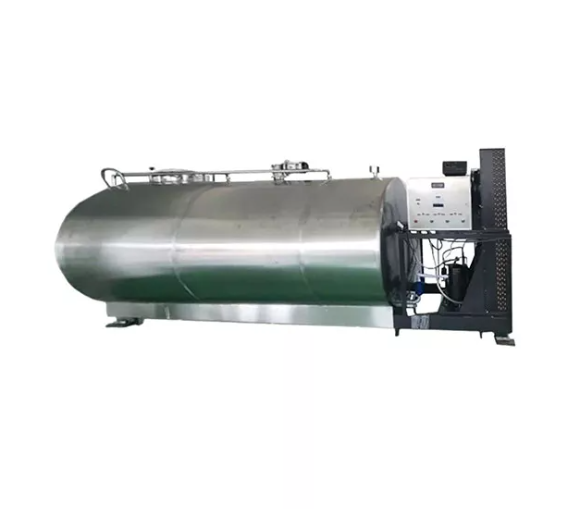
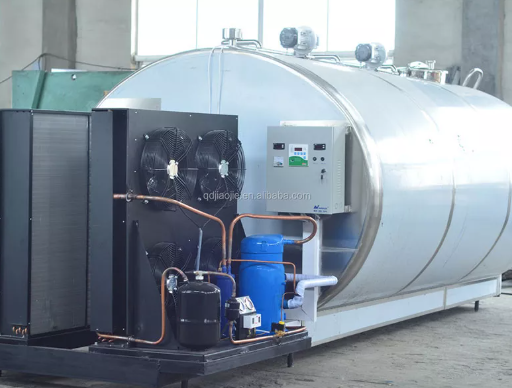
Milk cooling tanks are specialized containers designed to cool freshly harvested milk quickly to a temperature of around 4°C (39°F) or lower. The tanks typically consist of a cylindrical or rectangular design, with an insulated outer shell and an inner lining of stainless steel to ensure the milk remains in contact with a cooling surface. They are equipped with an efficient refrigeration system that reduces milk temperature rapidly to inhibit bacterial growth. The cooling process begins when milk is pumped into the tank, and refrigeration mechanisms kick in, drawing heat from the milk and transferring it to a refrigerant. This rapid cooling is essential in preventing spoilage and preserving the milk's quality until it can be processed.
Milk cooling tanks come in various sizes and designs, allowing dairy farmers to choose the most suitable one for their operations. Some common types include:
● Bulk Milk Cooling Tanks: These are large-capacity tanks designed to store large volumes of milk. They are ideal for dairy farms with high milk production volumes.
● Small-Scale Milk Cooling Tanks: These tanks are perfect for smaller farms with limited milk production. They are often more affordable and designed for easy handling.
● Horizontal vs. Vertical Tanks: Horizontal tanks are commonly used for bulk milk storage as they take up less space, while vertical tanks are preferred for smaller-scale operations and require less maintenance.
Farmers must select a tank size and design that fits their production needs while considering future growth potential.
Type of Tank | Ideal Use Case | Capacity Range | Benefits |
Bulk Milk Cooling Tanks | High-production dairy farms | Large (500L+) | Stores large volumes, suitable for bulk storage |
Small-Scale Milk Cooling Tanks | Small dairy operations | Small (50L-500L) | Compact, affordable, and easy to handle |
Horizontal Tanks | Bulk milk storage | Varies (500L+) | Space-efficient, lower maintenance |
Vertical Tanks | Small-scale operations | Small (50L-500L) | Requires less space, easy maintenance |
The primary function of milk cooling tanks is to preserve milk's quality. By rapidly reducing milk temperature, these tanks prevent bacterial growth that leads to spoilage. Cooling milk immediately after collection helps maintain its freshness, ensuring it reaches consumers in optimal condition. Additionally, milk cooling tanks extend the shelf life of milk by preserving its nutritional value. By slowing down the degradation of vitamins and enzymes, milk retains its flavor, texture, and overall quality for a longer period.
In many regions, regulations mandate that milk must be stored at specific temperatures to ensure food safety. Milk cooling tanks help farmers meet these standards by ensuring that milk is cooled to the required temperature quickly. This helps reduce the risk of contamination and spoilage, making it safer for consumption.By investing in quality cooling systems, dairy farmers can avoid costly fines and ensure their milk meets health regulations, providing assurance to consumers and processors alike.
Milk cooling tanks not only preserve milk but also enhance the overall efficiency of dairy farms. By automating the cooling process, farmers can reduce labor costs and the time spent manually handling milk. Additionally, these tanks streamline the milk collection process. Milk is stored in the cooling tanks until it is ready to be transported to processing plants, allowing for better scheduling and logistics management. As a result, farms can operate more smoothly, ensuring milk is stored and transported promptly.
Proper cooling is crucial in preventing spoilage. Without an efficient cooling system, milk may spoil quickly, leading to significant financial losses for dairy farmers. By cooling milk immediately after collection, milk cooling tanks help reduce waste and ensure that more of the milk produced reaches the market.Cooling tanks also minimize the amount of milk that goes to waste during storage and transportation. With their large storage capacity and refrigeration systems, these tanks allow milk to be held at optimal temperatures until it is ready to be transported, further reducing the risk of spoilage.
Modern milk cooling tanks are designed to be energy-efficient. They incorporate advanced refrigeration technology that uses less power while maintaining a consistent cooling temperature. This not only reduces the farm’s energy consumption but also leads to long-term savings on cooling and refrigeration costs.By investing in energy-efficient cooling systems, dairy farmers can significantly lower their operational costs while still ensuring that milk remains fresh and high-quality.
When choosing a milk cooling tank, farmers need to consider several factors to ensure they select the right system for their needs:
● Tank Capacity: The size of the tank should be chosen based on the farm’s milk production. It's important to select a tank with enough capacity to handle peak milk production periods.
● Material and Insulation: Stainless steel is the preferred material for milk cooling tanks due to its durability and resistance to corrosion. Good insulation is crucial for energy efficiency and maintaining low temperatures.
● Energy Efficiency Features: Look for tanks with high-efficiency refrigeration systems, which will reduce energy consumption and minimize operational costs.
While milk cooling tanks can be a significant investment, the long-term benefits outweigh the initial cost. The ROI from investing in a high-quality cooling system comes from improved milk quality, reduced waste, and enhanced farm efficiency.Farmers should also consider the long-term savings in energy and labor costs. By choosing a reliable and efficient cooling tank, farmers can ensure that they receive a good return on their investment over time.
To maximize the lifespan and effectiveness of milk cooling tanks, routine maintenance is essential. Regular cleaning, inspection, and servicing ensure that the tank operates efficiently and reduces the risk of costly repairs. Farmers should follow the manufacturer's guidelines for cleaning procedures, inspecting for leaks, and ensuring the refrigeration system is functioning correctly. Preventative maintenance can also help identify and resolve issues before they lead to system failures.
Like any equipment, milk cooling tanks may encounter issues over time. Some common problems include temperature fluctuations, leaks, and inefficient cooling. Identifying the source of these problems early can prevent larger issues.Regular inspections and professional servicing are key to troubleshooting these problems. Additionally, farmers should be familiar with the tank’s cooling system and how to maintain it to avoid costly disruptions in milk storage.
Many modern milk cooling tanks are designed to be energy-efficient, using less power to cool milk. This helps reduce the farm’s carbon footprint and minimizes its environmental impact. Farmers can further reduce their environmental impact by choosing tanks that use eco-friendly refrigerants, which have a lower global warming potential (GWP). These environmentally conscious choices not only help the farm but also contribute to broader sustainability goals in agriculture.
By preserving milk quality, milk cooling tanks indirectly support animal welfare. Fresh, high-quality milk ensures that animals are producing the best possible product. Proper storage and handling prevent milk from being contaminated, providing a safe, clean product for consumers.Additionally, maintaining optimal milk temperatures helps ensure that milk remains nutritious, contributing to the overall health and well-being of the dairy herd.
Milk cooling tanks are crucial for dairy farming. They preserve milk quality, reduce waste, and improve farm efficiency. With the growing demand for fresh milk, investing in reliable cooling systems ensures dairy farms remain competitive and sustainable. Products like those from Qingdao JointTech Machinery lnc. offer unique advantages in energy efficiency and quality preservation, providing great value to farmers. Their milk cooling tanks help farmers meet industry standards and improve overall operations.
A: Milk cooling tanks are specialized equipment used to rapidly reduce the temperature of freshly collected milk, preventing bacterial growth and preserving its quality.
A: They help maintain milk quality, extend shelf life, prevent spoilage, and ensure milk meets health and safety standards for consumers.
A: Milk cooling tanks use refrigeration systems to lower milk temperature quickly, preventing bacteria from growing and ensuring milk stays fresh until processing.
A: Consider tank capacity, insulation, energy efficiency, and material. Choose based on your farm's milk production volume and specific needs.
A: They reduce milk waste by preventing spoilage and can lower energy consumption with efficient cooling systems, saving money in the long run.


